240 Looks, 40 Designers, One Question Nobody Asked Aloud
CSM's BA class of 2026 proved the pipeline still works. Whether the pipeline leads anywhere useful is a different conversation.

Photo · Vogue
Forty designers. Six looks each. Roughly 240 pieces moving down a runway in what Dazed described, backstage, as a fever dream. That's the Central Saint Martins BA Fashion show for 2026 — and the number alone tells you something, even before a single garment does.
The scale is the tradition. CSM has always operated this way: compress an entire graduating class into one event, let the volume speak for itself, and trust that the industry will sort the signal from the noise. It's a format that serves the school's reputation more than it serves any individual designer. Which isn't a criticism — it's just the math. When you have 240 looks to absorb in a single sitting, your attention becomes a finite resource, and the pieces that get remembered are the ones that interrupt you.
The Economy of Interruption
Both Vogue and Dazed covered the show, and the interesting thing isn't what they agreed on — it's how differently they chose to ration their attention. Dazed pulled seven names worth your time. Vogue surveyed the full sweep. Neither is wrong. But the gap between those two editorial decisions is exactly where the real question lives: in a class of 40, is the goal to produce one or two names that break through, or to graduate a generation of practitioners who collectively move the industry forward in quieter ways?
Fashion school coverage tends to collapse that question into a talent search. We scan for the next name. We run the highlight reel. And there's nothing dishonest about that — the industry does need new names, and CSM has historically delivered them. But the highlight-reel framing also flattens what a show like this actually represents: two, three, four years of formation happening simultaneously, across forty different people with forty different fixations, all arriving at the same runway on the same afternoon.
The chaos Dazed described backstage isn't incidental. It's structural. Forty designers sharing one space, one moment, one audience — that's not just logistically complex, it's philosophically loaded. Fashion is relentlessly individualist in how it tells its own story, and here's an institution deliberately staging its graduates as a collective event. You don't get your own show. You get your six looks and your place in the sequence.
What Six Looks Can and Cannot Do
Six looks is enough to establish a sensibility. It is not enough to build a world. The designers who land at a show like this have learned, presumably, how to make clothes — but the more durable skill, the one that separates a career from a moment, is whether they can sustain a vision across seasons, across compromises, across the slow grind of production realities that no school runway prepares you for.
None of that shows up in six looks. What shows up is instinct, and instinct is worth watching.
The Dazed shortlist and the Vogue survey together give you a reasonable triangulation of where this class's instincts are pointing. Not a consensus — fashion schools don't produce consensus — but a loose set of preoccupations that will either calcify into cliché or sharpen into something worth following. That part takes years, not runway minutes.
What CSM does well, and has always done well, is create conditions where those instincts get tested publicly, early, and without a safety net. The fever dream backstage is part of the education. So is the fact that your six looks will be reviewed alongside thirty-nine other people's six looks, and the coverage might give you a paragraph or might give you a sentence or might not mention you at all.
That's not cruelty. That's closer to the truth of what the industry actually feels like than anything a controlled debut could offer.
The pipeline works. It has always worked. The harder thing — the thing no runway confirms — is what happens when the pipeline ends and the real work begins.
Keep reading fashion.

Gold Leaf on a Lacquer Dial, and the Weight of What That Costs
Awake's Frosted Leaf Royal Blue asks a question Vietnamese craft has never quite had to answer at this price.
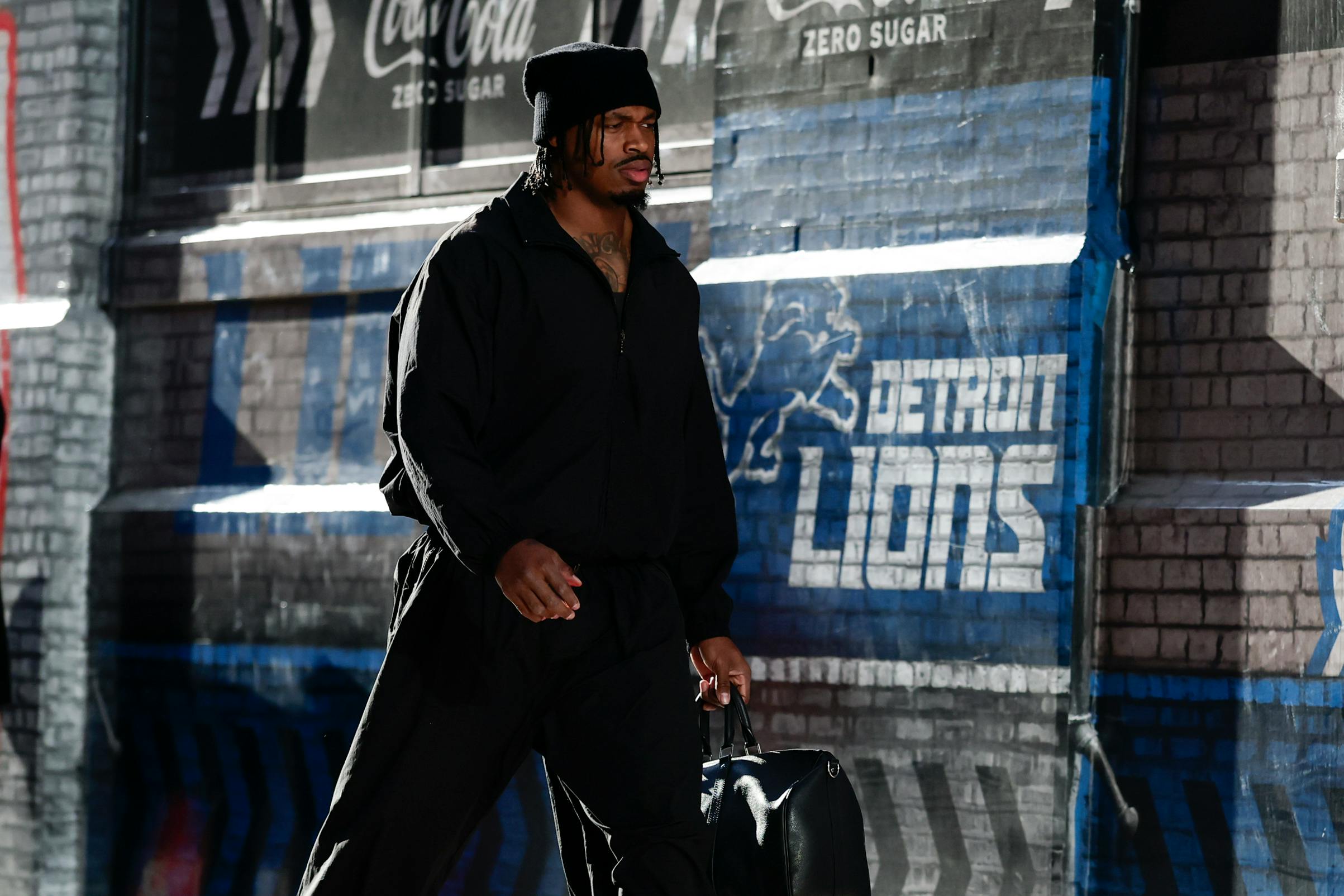
Kyle Smith Has a Job Title That Didn't Exist Before. That's the Whole Tell.
When the NFL hires a fashion editor, it's not about clothes — it's about who gets to decide what matters.
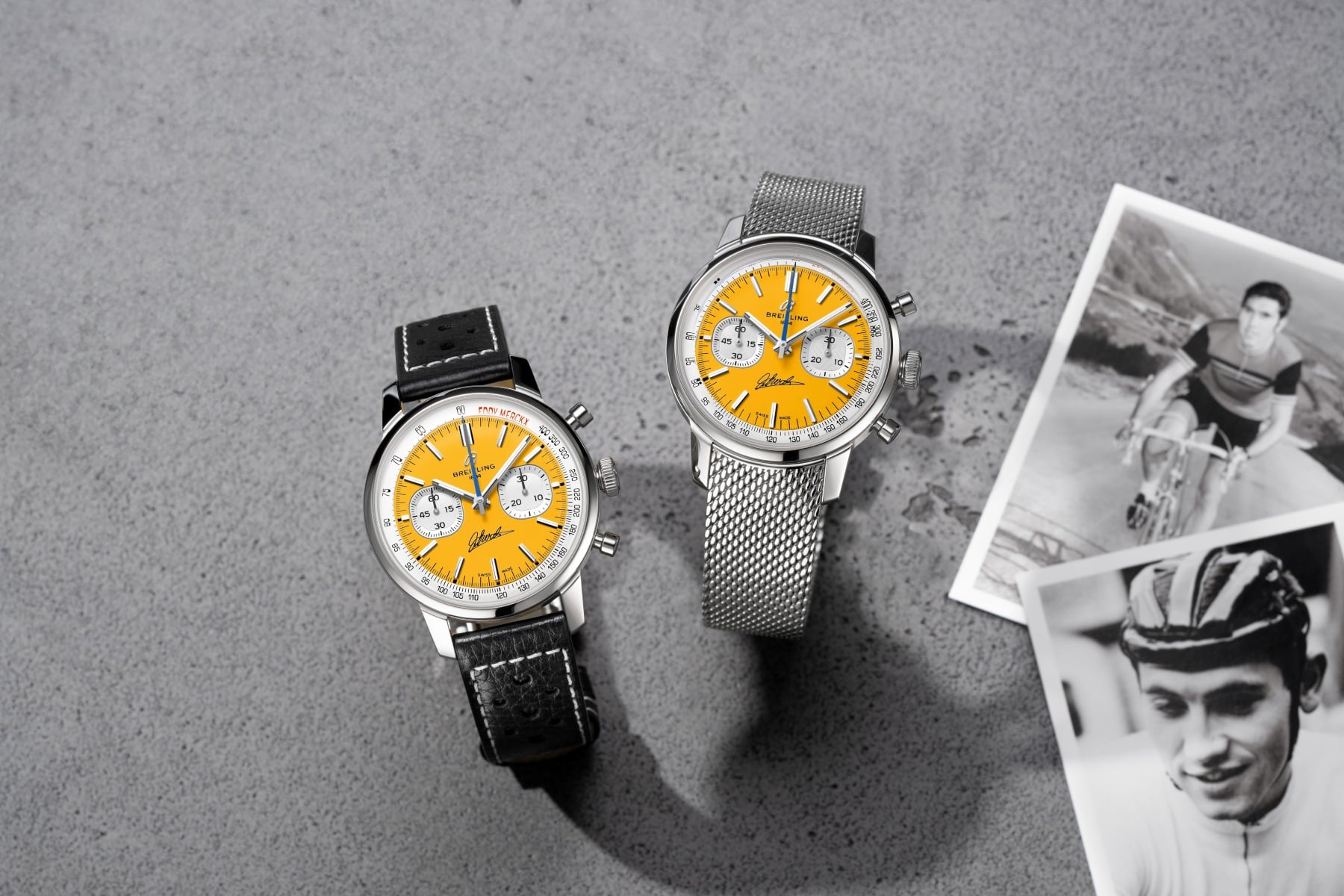
525 Victories, One Dial, and Cycling's Long Wait for a Wrist
Breitling's Eddy Merckx edition doesn't just reference a legend — it asks whether motorsport's younger sibling has finally earned its place in serious watch culture.
From the other desks.

800 Horsepower, One Ton of Doubt
Lamborghini built the most powerful SUV it's ever made. It's also slower than what it replaced.

ESPN Named Him. Then Unnamed Him. Nobody's Explaining the Gap.
A retraction without a reckoning is just a deleted link.

Hide My Email Has Been Showing Your Email
Apple's privacy flagship has a hole in it. They've known for over a year.