Dior Sells You a Barbell. The Price Tag Is the Workout.
When a French house starts making gym equipment, the real question isn't about fitness.
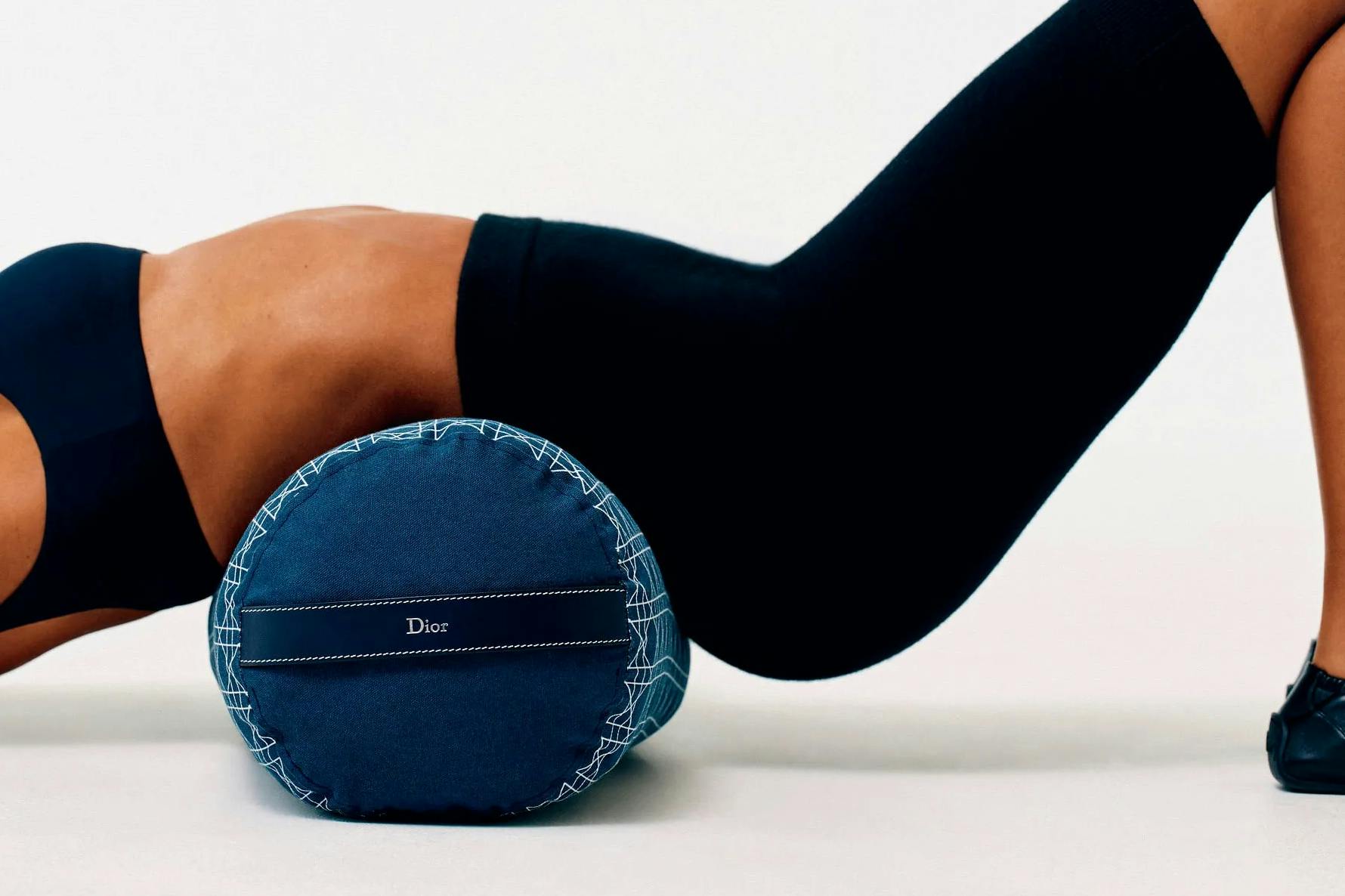
Photo · Highsnobiety
There's a phrase making the rounds now — haute wellness — and the fact that Dior has apparently decided it needs one tells you almost everything about where fashion's appetite has landed.
Highsnobiety flagged it this week: Dior is making gym gear. Not a branded water bottle tucked into a seasonal lookbook. Equipment. And it doesn't come cheap — that detail lands in the piece like a period at the end of a sentence that was always going to end that way.
The Permission Structure
What's interesting isn't the product. It's the framing. Haute wellness is doing a lot of rhetorical work in two words. It takes a category that used to live entirely in the functional — rubber, steel, sweat — and drapes something aspirational over it. It makes the price tag feel inevitable rather than absurd.
This is what fashion does when it enters a new territory: it doesn't just sell the object, it renames the space. And renaming the space is how you charge French house prices for things that, in any other context, would be judged purely on whether they hold up under load.
For a long time, there was an unspoken agreement that performance and status operated in separate rooms. Athletic gear could carry a premium, sure — but the premium was supposed to be earned through engineering, through materials, through some measurable improvement in what your body could do. The status was a byproduct, not the headline. What Dior is doing — and what the phrase haute wellness is designed to enable — is collapsing that distinction entirely. The status is the product. The wellness is the permission structure that makes it feel responsible.
What This Moment Is Actually About
A writer at Highsnobiety stakes out the position that we are officially in this era now, and I think they're right that something has shifted — though the more precise observation might be that we've crossed a threshold of seriousness. Fashion has flirted with gym culture for years. Collaborations, capsules, the slow drift of athleisure into every corner of the wardrobe. But a house like Dior committing to equipment — the actual hardware of physical effort — signals that wellness isn't a trend being borrowed anymore. It's been annexed.
The consumer this targets isn't someone who needs better equipment. They already have access to better equipment, or a gym that does. What they're buying is coherence — the ability to have their physical life match the aesthetic register of everything else. The home that looks a certain way. The objects on the shelf that signal a particular kind of attention. Now the thing you use to get stronger can live in that same sentence.
There's something worth sitting with there. Not mockery — I'm not interested in that. But genuine curiosity about what it means when the language of wellness gets absorbed by the language of fashion. Wellness, at its plainest, is about care. About the unglamorous work of showing up to something hard. Fashion, at its most honest, is about surface — beautiful, meaningful surface, but surface. When one fully swallows the other, something changes in both.
What Dior has understood — and what the haute wellness label confirms — is that for a certain buyer, the aspiration and the action have merged. Getting better and looking like someone who gets better are no longer distinguishable purchases.
The barbell doesn't care either way. But the price tag has an opinion.
Keep reading fashion.

Gold Leaf on a Lacquer Dial, and the Weight of What That Costs
Awake's Frosted Leaf Royal Blue asks a question Vietnamese craft has never quite had to answer at this price.

Kyle Smith Has a Job Title That Didn't Exist Before. That's the Whole Tell.
When the NFL hires a fashion editor, it's not about clothes — it's about who gets to decide what matters.
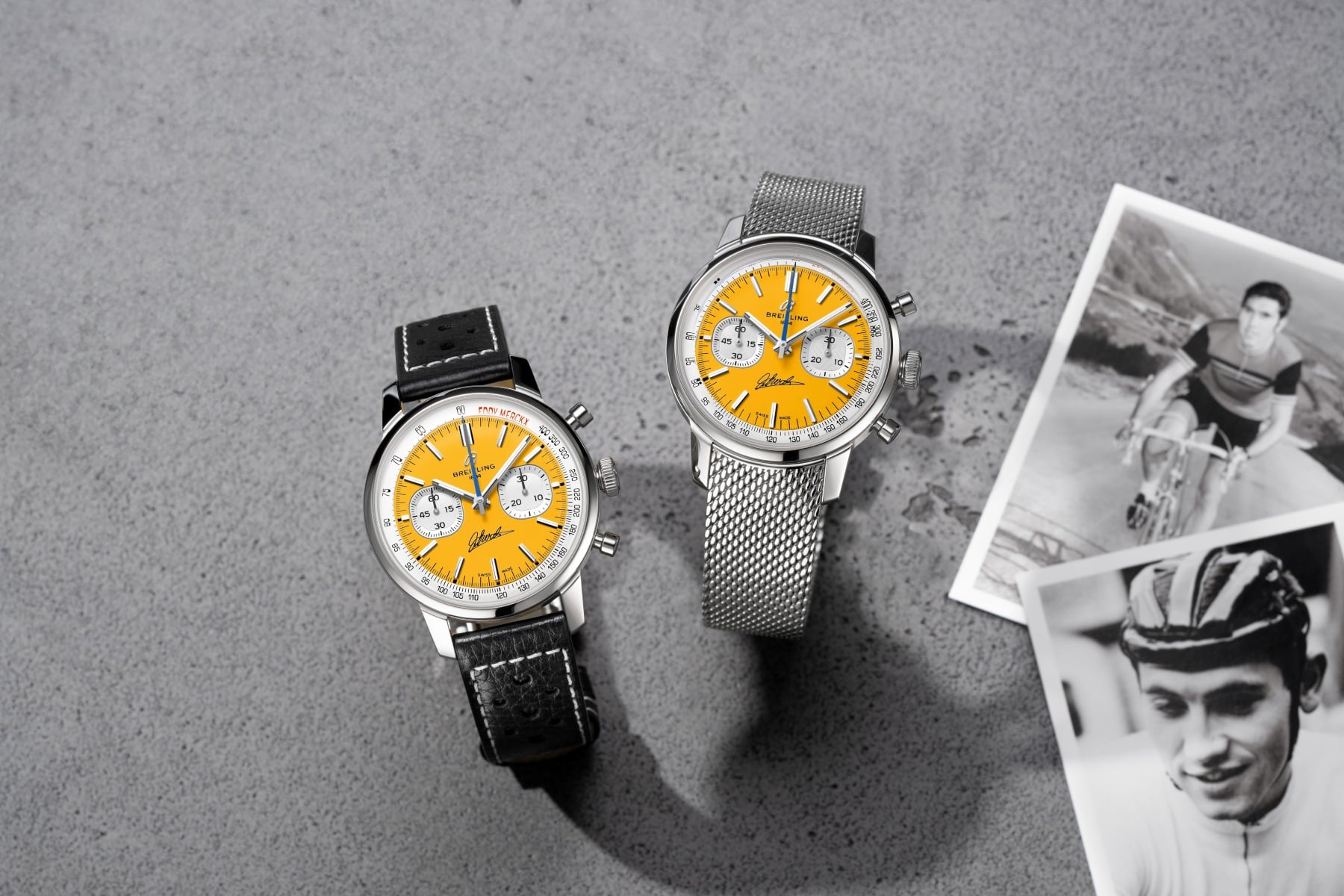
525 Victories, One Dial, and Cycling's Long Wait for a Wrist
Breitling's Eddy Merckx edition doesn't just reference a legend — it asks whether motorsport's younger sibling has finally earned its place in serious watch culture.
From the other desks.

800 Horsepower, One Ton of Doubt
Lamborghini built the most powerful SUV it's ever made. It's also slower than what it replaced.

ESPN Named Him. Then Unnamed Him. Nobody's Explaining the Gap.
A retraction without a reckoning is just a deleted link.

Hide My Email Has Been Showing Your Email
Apple's privacy flagship has a hole in it. They've known for over a year.