Godzilla Didn't Compromise. It Negotiated.
The R36 GT-R is hybrid, and that's not a concession — it's a position.
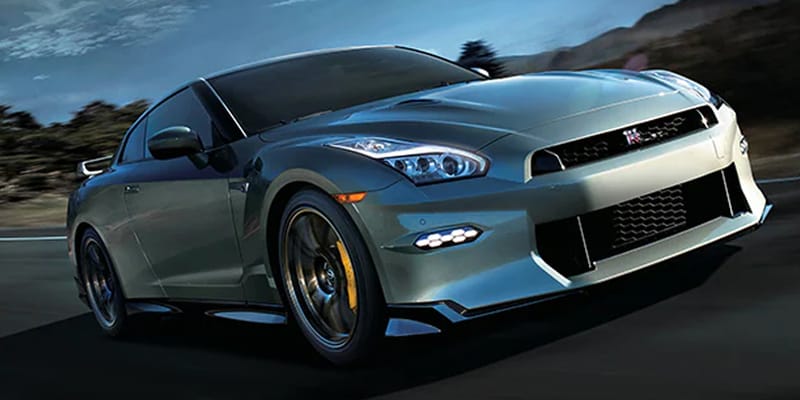
Photo · Hypebeast
The interesting thing isn't that the next GT-R is hybrid. The interesting thing is how Nissan chose to say it.
A writer at Hypebeast flagged the confirmation out of the 2026 New York Auto Show: R36, before 2030, electrified, new chassis — and the VR38 twin-turbo block staying put. Nissan's chief planning officer didn't bury the lede or dress it in euphemism. The engine lives. The rest gets updated around it.
That's a specific kind of stubbornness. And it matters.
The Block Is the Statement
Every brand facing emissions pressure has a version of the same conversation internally. The question is always whether the thing that made you you survives the answer. BMW kept the inline-six and built hybrids around it. Porsche kept the flat-six and went the same direction. The pattern is clear enough: the engine is the soul, and the soul is non-negotiable.
Nissan just said the same thing about the VR38. Publicly. At a show. To press.
That's not marketing. That's a promise with witnesses.
The R35 ran for eighteen years — an almost absurd production lifespan for a performance car — and the VR38 was the reason it never felt obsolete. Not because of the numbers it made, but because of what those numbers felt like. Brutal and precise in a way that doesn't translate to a spec sheet. You either know it or you don't.
Keeping that block isn't nostalgia. It's editorial judgment.
What Electrification Actually Means Here
The phrase "some level of electrification" is doing real work in that confirmation. It's not a full EV pivot. It's not a plug-in hybrid dressed up as a sports car. It's compliance architecture wrapped around something that was already fast enough to embarrass supercars that cost three times as much.
The cynical read: Nissan is buying time, using hybrid tech to clear regulatory hurdles while the internal combustion world figures out where it's going.
The honest read: a properly deployed hybrid system on a platform built from scratch around the VR38 could produce something genuinely stranger and faster than the R35 ever was. The Nürburgring record the R35 set in 2008 felt like a provocation. An R36 with instant torque fill from an electric motor and that engine underneath it doesn't feel like a lesser thing. It feels like the next argument in a long conversation.
The fashion parallel is worth sitting with for a second. When a house updates an iconic silhouette — not to replace it, but to make it viable for the next decade — the instinct is to call it compromise. Sometimes it is. But sometimes the silhouette earns the update by being specific enough that it can absorb change without losing its shape. The VR38 is specific enough. The GT-R identity is specific enough.
This is what survival on your own terms looks like. Not everything gets that option.
The brands that lose themselves in electrification are usually the ones that were already a little fuzzy about what they stood for. Nissan, whatever its problems elsewhere in the lineup, has always known what a GT-R is supposed to feel like. That clarity is the asset. The hybrid system is just how they're protecting it.
Before 2030 is a wide window. A lot can change. But the decision to keep the block — and to say so out loud, this early — tells you something about where the conviction is.
Godzilla didn't survive eighteen years by being agreeable.
Keep reading fashion.

Gold Leaf on a Lacquer Dial, and the Weight of What That Costs
Awake's Frosted Leaf Royal Blue asks a question Vietnamese craft has never quite had to answer at this price.
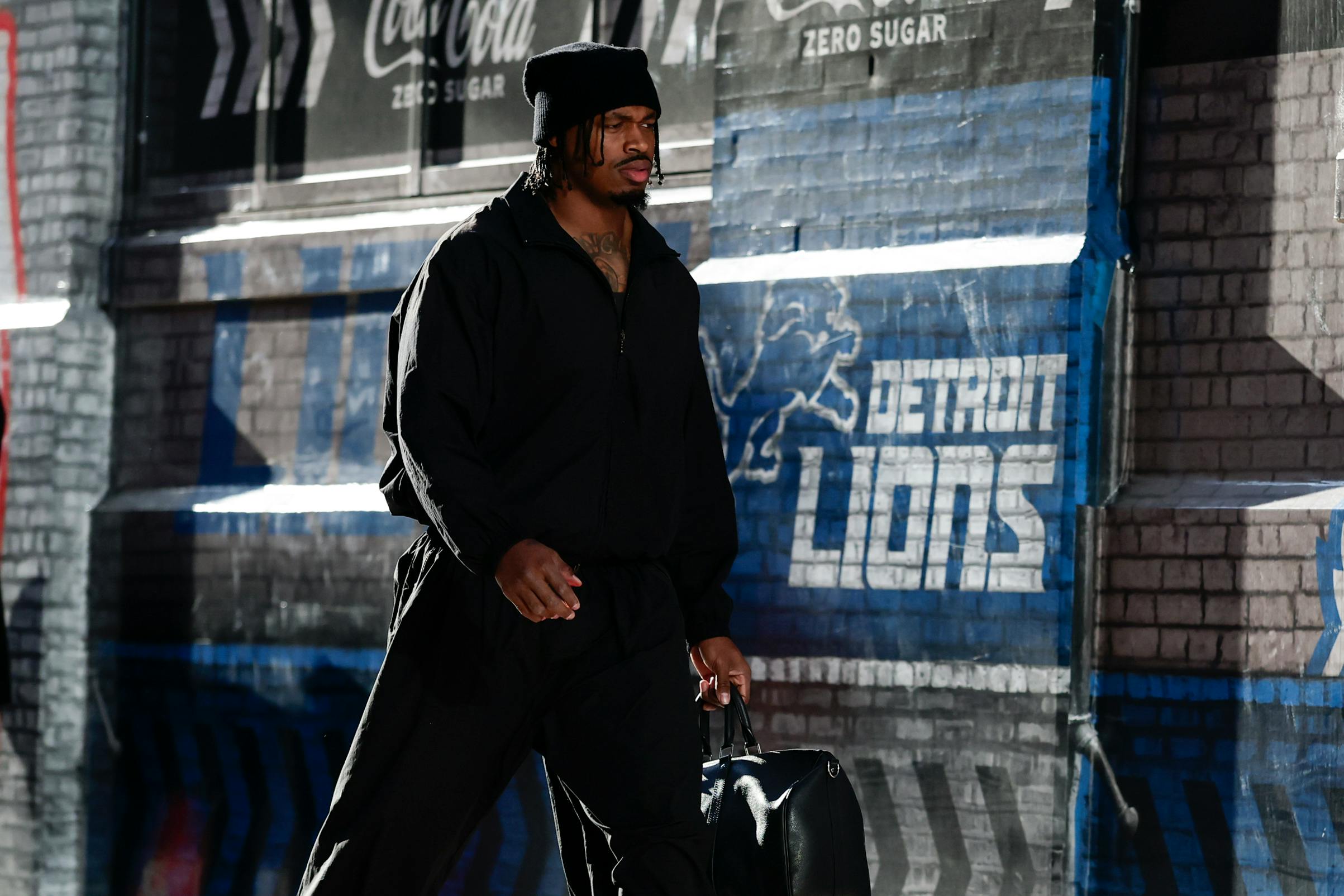
Kyle Smith Has a Job Title That Didn't Exist Before. That's the Whole Tell.
When the NFL hires a fashion editor, it's not about clothes — it's about who gets to decide what matters.
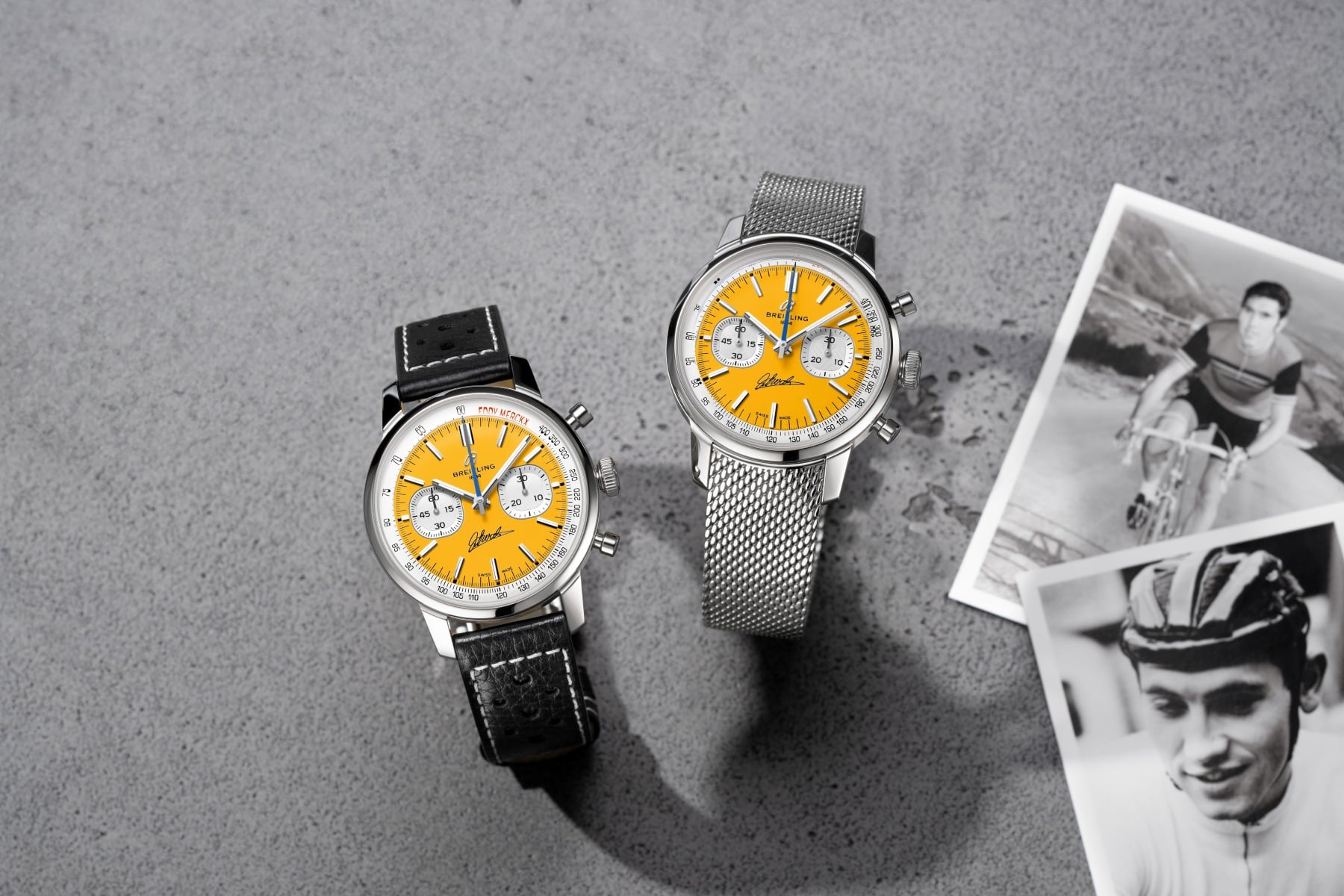
525 Victories, One Dial, and Cycling's Long Wait for a Wrist
Breitling's Eddy Merckx edition doesn't just reference a legend — it asks whether motorsport's younger sibling has finally earned its place in serious watch culture.
From the other desks.

800 Horsepower, One Ton of Doubt
Lamborghini built the most powerful SUV it's ever made. It's also slower than what it replaced.

ESPN Named Him. Then Unnamed Him. Nobody's Explaining the Gap.
A retraction without a reckoning is just a deleted link.

Hide My Email Has Been Showing Your Email
Apple's privacy flagship has a hole in it. They've known for over a year.