GU Has Been Winning in America Without Asking Anyone to Notice
A writer at Highsnobiety just staked out a position that's been sitting in plain sight.
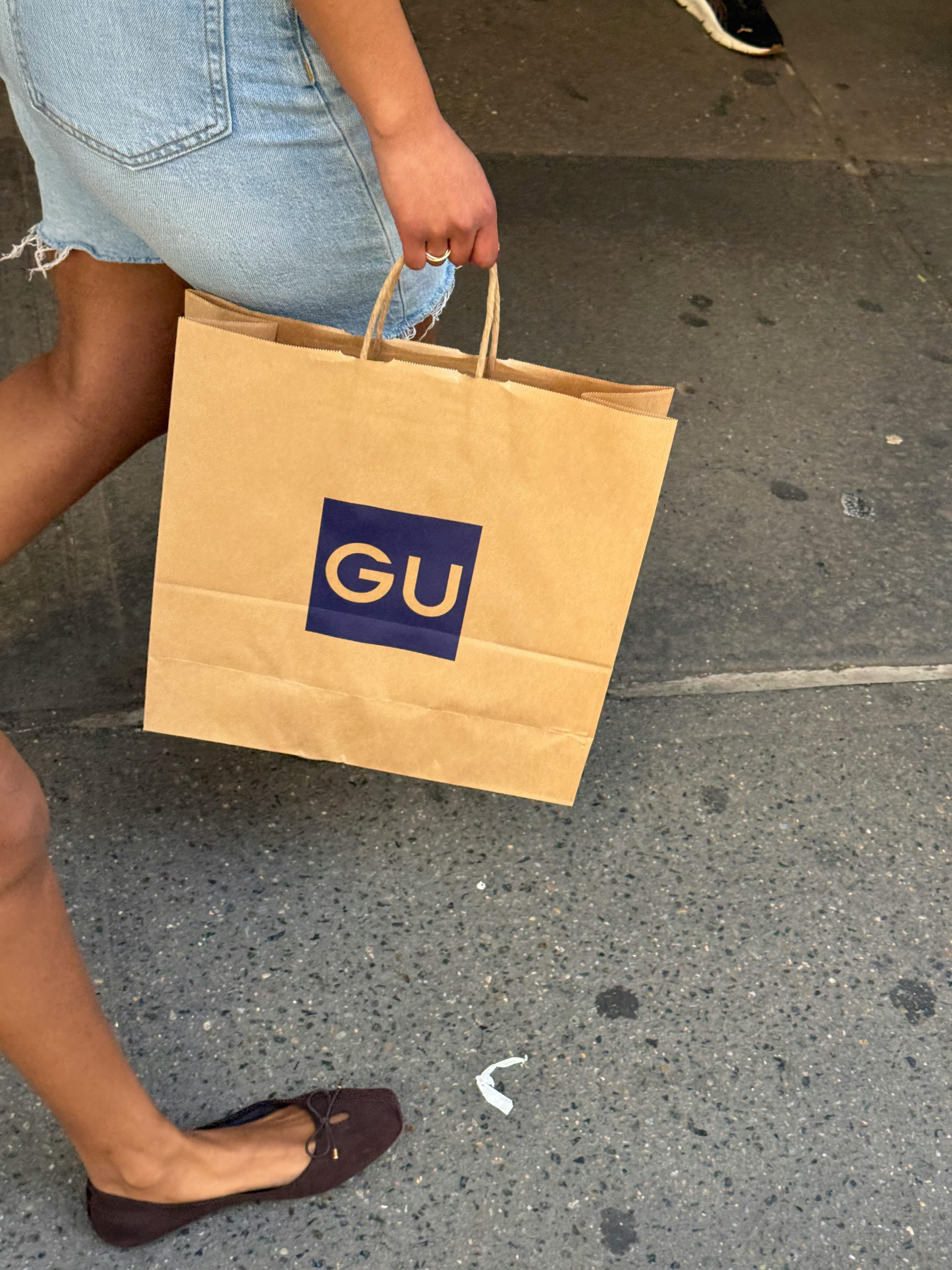
Photo · Highsnobiety
There's a particular kind of success that doesn't announce itself. No campaign, no drop, no countdown timer. Just product moving through the door, week after week, until one day someone looks up and asks how long this has been happening.
That's the question a writer at Highsnobiety has decided to ask about GU — UNIQLO's sibling label, aimed younger, priced for trend cycles, built for the generation that treats fashion less like investment and more like vocabulary. The piece frames GU's American presence as a puzzle: obvious success, near-zero noise. Why isn't anyone talking about it?
The more interesting question is whether the silence is a problem at all.
What Loud Branding Actually Costs
The hype machine has a toll. You pay in positioning — every partnership, every influencer, every cultural co-sign sets an expectation that the next season has to meet or exceed. Miss the moment and the discourse moves on before the inventory does. The brands that have mastered Gen Z's attention often burn through it at the same rate.
GU sidesteps all of that. It's a label built around the UNIQLO infrastructure — the supply chain, the manufacturing discipline, the ruthless attention to basics — but pointed at trendier territory and a more price-sensitive customer. If you know what UNIQLO does well, you already understand the operating logic. The difference is the target.
And what the Highsnobiety piece is really noticing, beneath the rhetorical question in its headline, is that GU has managed to find American footing without needing American hype. That's not an accident. That's a strategy that looks like absence.
The Distribution Bet
Fast fashion that works quietly usually wins on one thing: being where people already are. Not where the conversation is — where the transaction is. The brands that dominate Gen Z's actual closets rather than their feeds tend to understand that distinction. GU seems to understand it.
There's something almost countercultural about this, given the current moment. The fashion industry's relationship with Gen Z has been narrated almost entirely through the lens of virality — what's blowing up on TikTok, what's selling out before the page loads, what's being resold at a markup before the original buyer gets home. Against that backdrop, a brand that simply shows up, offers the product, and doesn't perform urgency reads as genuinely different.
The writer at Highsnobiety isn't wrong to flag GU's American story as underreported. But the framing — why isn't anyone talking about it? — implies that coverage is the missing ingredient. I'm not sure it is. The brands that need the conversation are the ones whose business model depends on the heat. GU's model, if it mirrors what UNIQLO built, depends on something more durable: reliability at a price point that doesn't require justification.
Gen Z gets blamed for chasing logos and drops. What they actually do, if you watch the receipts rather than the feeds, is find value with more precision than any generation before them. They know what things cost and what things are worth, and they've grown up with enough options to tell the difference fast. A brand that respects that — that doesn't inflate its own mythology to inflate its margin — has a real argument.
GU is apparently making that argument in America, quietly, in the background of the hype cycle.
The fact that a major fashion publication just noticed is less a sign that GU needs more attention and more a sign that the industry still defaults to noise as the proof of relevance.
Sometimes the proof is just the product, selling.
Keep reading fashion.

Gold Leaf on a Lacquer Dial, and the Weight of What That Costs
Awake's Frosted Leaf Royal Blue asks a question Vietnamese craft has never quite had to answer at this price.
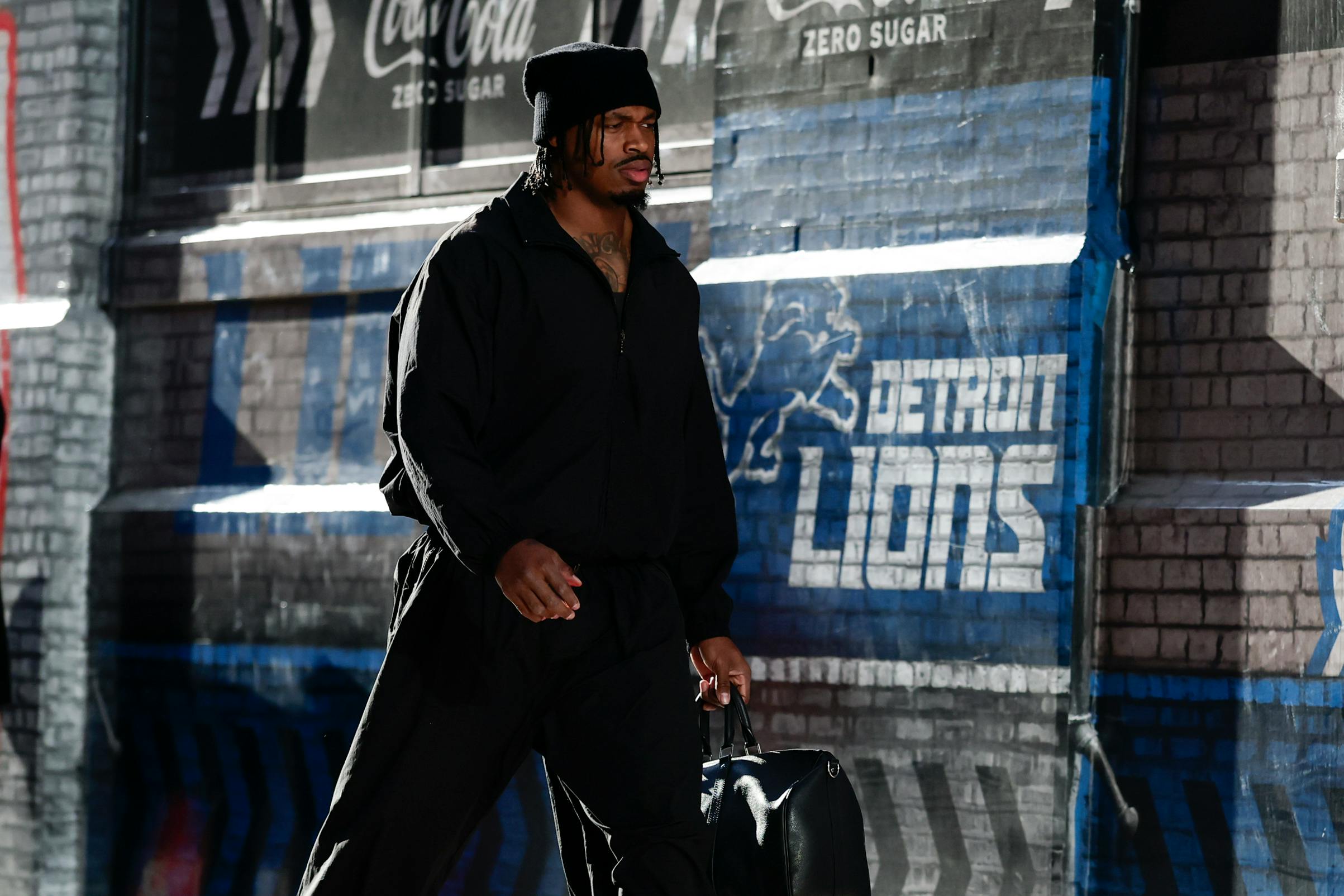
Kyle Smith Has a Job Title That Didn't Exist Before. That's the Whole Tell.
When the NFL hires a fashion editor, it's not about clothes — it's about who gets to decide what matters.
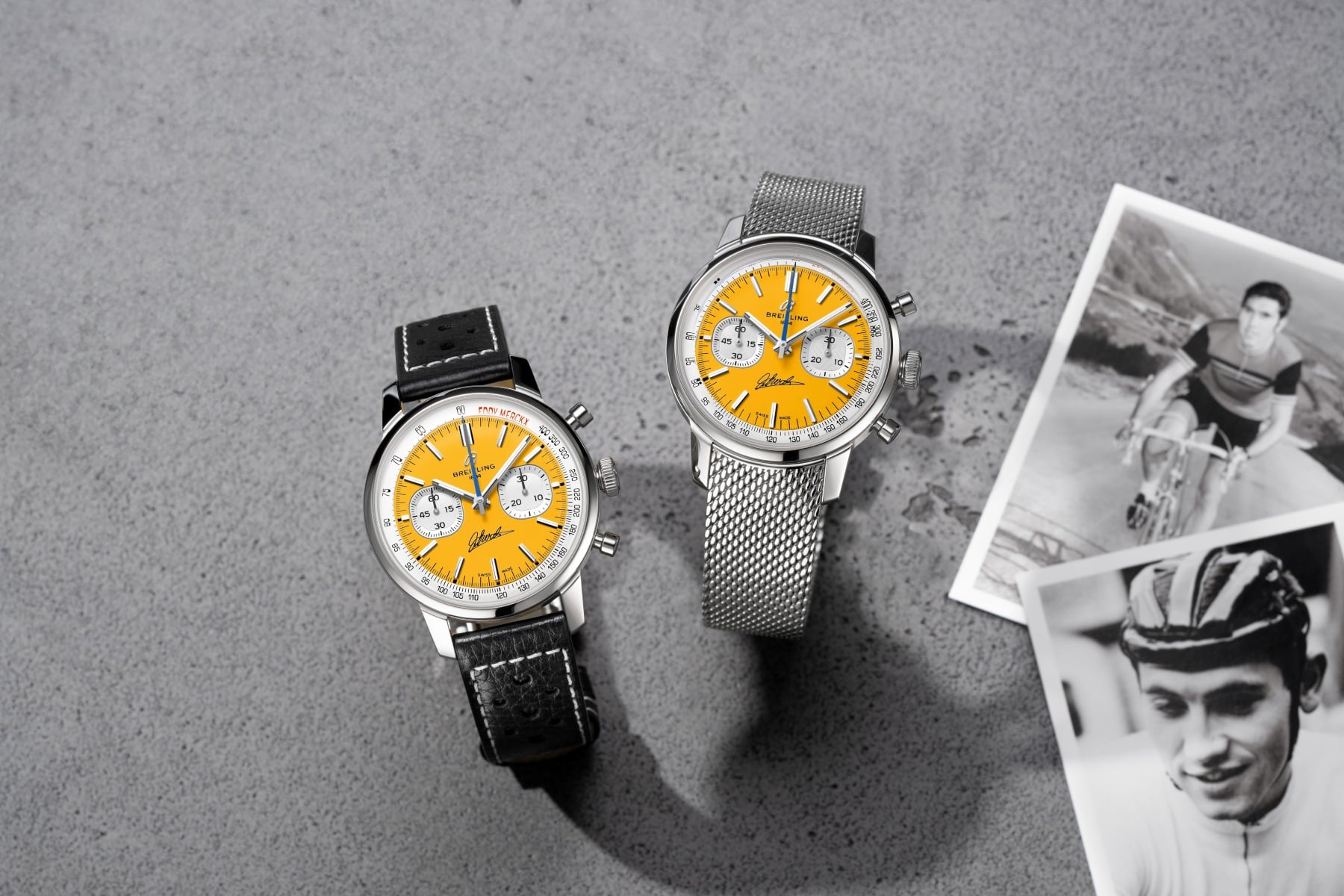
525 Victories, One Dial, and Cycling's Long Wait for a Wrist
Breitling's Eddy Merckx edition doesn't just reference a legend — it asks whether motorsport's younger sibling has finally earned its place in serious watch culture.
From the other desks.

800 Horsepower, One Ton of Doubt
Lamborghini built the most powerful SUV it's ever made. It's also slower than what it replaced.

ESPN Named Him. Then Unnamed Him. Nobody's Explaining the Gap.
A retraction without a reckoning is just a deleted link.

Hide My Email Has Been Showing Your Email
Apple's privacy flagship has a hole in it. They've known for over a year.