Gucci Didn't Buy a Sponsorship. It Bought a Canvas.
When a fashion house becomes an F1 team's title partner, the sport isn't being accessorized — it's being redecorated.
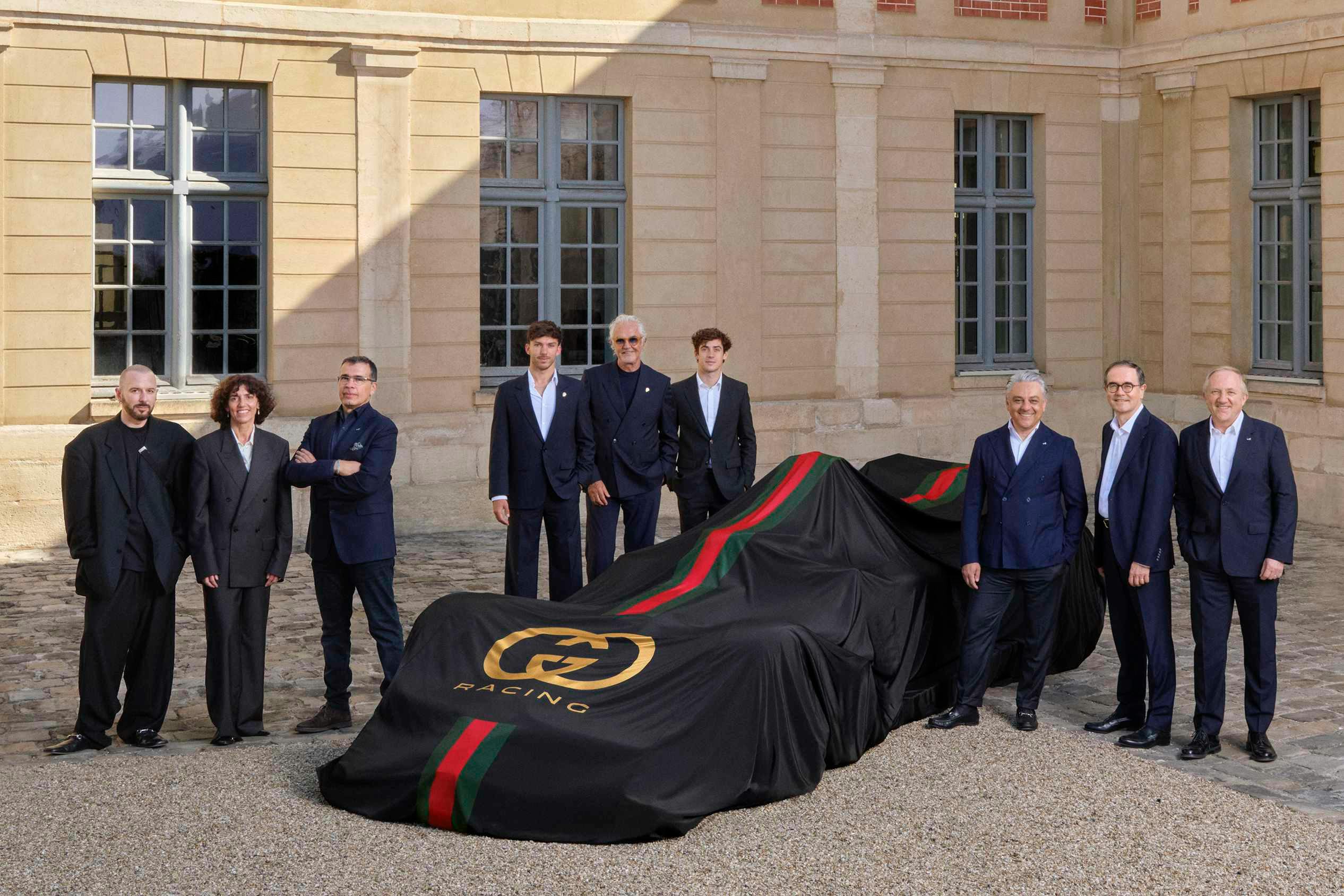
Photo · Highsnobiety
There's a version of this story where Gucci slaps a logo on a sidepod and calls it a partnership. A badge deal. Tasteful, contained, easily ignored by anyone who cares about lap times. That's not what happened here.
Gucci is becoming the title sponsor of the Alpine Formula One Team starting in 2027 — making it, according to Hypebeast's coverage, the first luxury fashion house to hold that position in the sport. The team will carry the name Gucci Racing Alpine Formula One Team. The deal is multi-year. Industry estimates place it somewhere between $50 million and $60 million USD per season. That's not a marketing experiment. That's a commitment with consequences.
What both Highsnobiety and Hypebeast are circling, without quite landing on it together, is that this isn't fashion dipping a toe into motorsport. This is fashion taking the wheel — and the team is now the secondary name in its own title.
The Canvas Problem
Alpine has been searching for identity almost since the moment it returned to the grid under that name. It has struggled for results, struggled for narrative, struggled to be the team anyone builds a personality around. Highsnobiety's framing asks whether Gucci can put this team back on track — which is a generous way of acknowledging that the team arrived at this partnership with more need than leverage.
That dynamic matters. A team in a stronger position — say, one that had won something recently, one with a clear driver story or a technical edge people actually argued about — might have negotiated differently. Might have kept its name first. Instead, Gucci comes in and the order of words tells you everything: Gucci Racing, then Alpine. The fashion house didn't join the team. It absorbed the front of it.
This is what maximalism looks like when it has real money and real ambition behind it. It doesn't ask where it fits. It rearranges.
What Replaces BWT
The outgoing title sponsor is BWT, an Austrian water treatment company. No disrespect to water treatment — but the visual contrast here is almost too clean. One era ends with functional infrastructure branding; the next begins with one of the most recognizable fashion marks on earth. The cars were pink under BWT. Whatever Gucci does with an Alpine livery will be watched, debated, and screenshot before the first practice session of 2027.
And that's the thing neither source fully reckons with: Gucci is not coming to F1 to be subtle. The house has spent years leaning into ornament, into excess, into the idea that more is a legitimate aesthetic position. That sensibility, applied to a racing livery, applied to a paddock presence, applied to whatever Gucci Racing means as a brand expression — it won't look like what F1 has looked like before.
Some people will hate it. Some people will love it. Both reactions are the point.
F1 has been courting cultural crossover for years — the Netflix effect, the American expansion, the celebrity sightings, the streetwear collabs that materialize and vanish. Most of that has been the sport selling access to fashion and entertainment. This is different. This is fashion buying a seat at the actual table, not a hospitality suite near it.
The team runs under Gucci's name now. Heritage F1 organizations have always been the thing you sponsor. Starting in 2027, at least one of them is the thing you own the front of.
That's a different relationship — and everyone in the paddock knows it.
Keep reading fashion.

Gold Leaf on a Lacquer Dial, and the Weight of What That Costs
Awake's Frosted Leaf Royal Blue asks a question Vietnamese craft has never quite had to answer at this price.
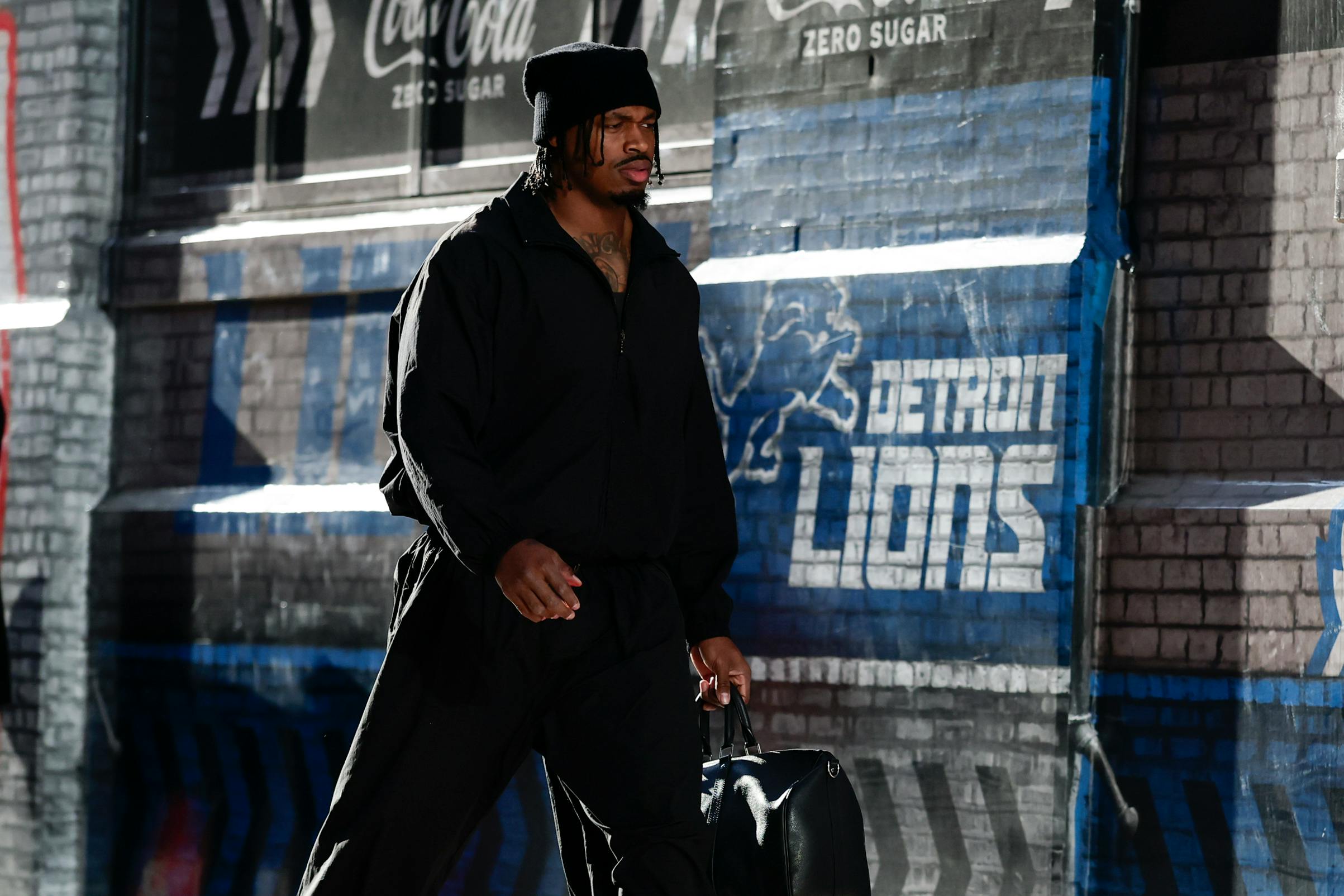
Kyle Smith Has a Job Title That Didn't Exist Before. That's the Whole Tell.
When the NFL hires a fashion editor, it's not about clothes — it's about who gets to decide what matters.
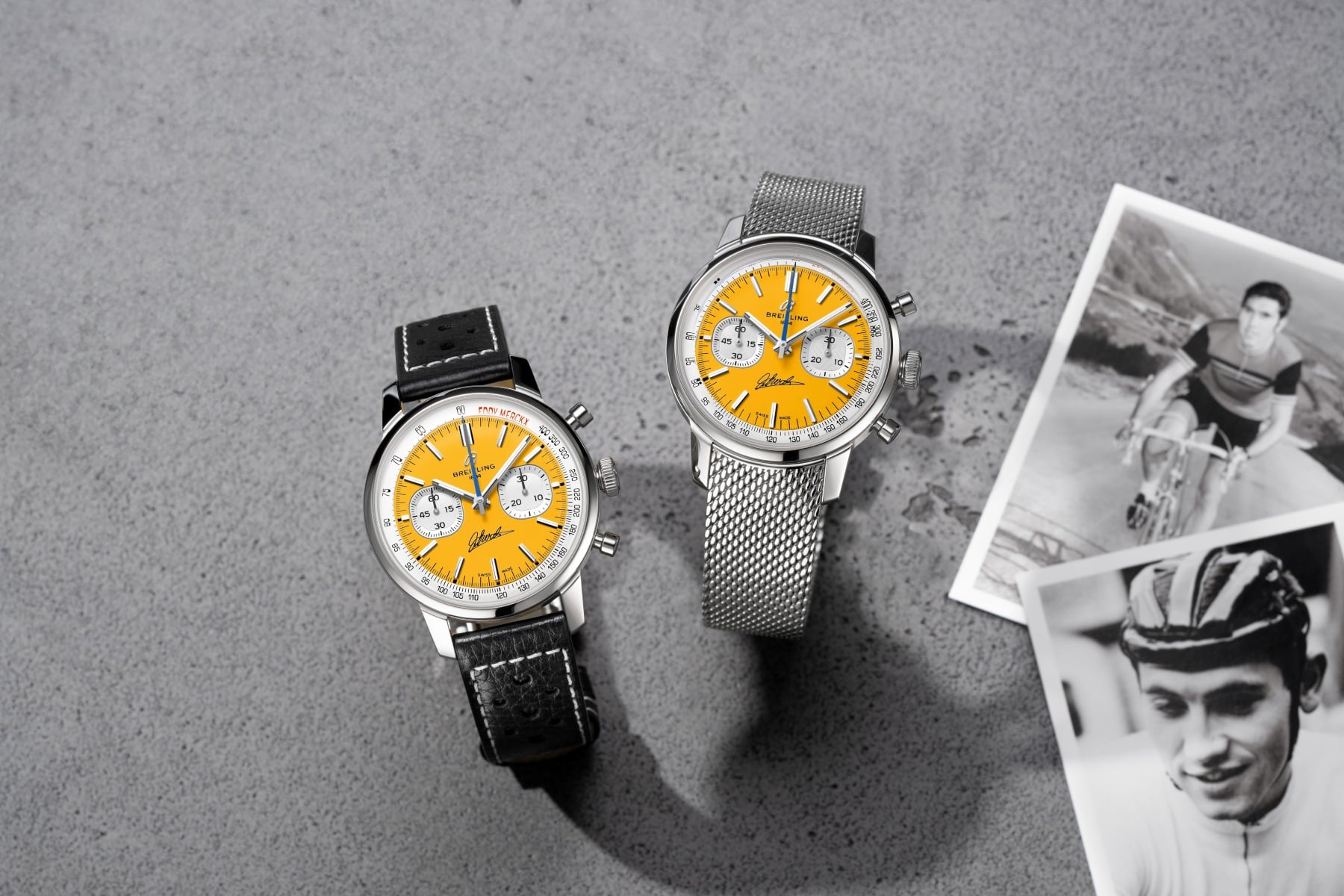
525 Victories, One Dial, and Cycling's Long Wait for a Wrist
Breitling's Eddy Merckx edition doesn't just reference a legend — it asks whether motorsport's younger sibling has finally earned its place in serious watch culture.
From the other desks.

800 Horsepower, One Ton of Doubt
Lamborghini built the most powerful SUV it's ever made. It's also slower than what it replaced.

ESPN Named Him. Then Unnamed Him. Nobody's Explaining the Gap.
A retraction without a reckoning is just a deleted link.

Hide My Email Has Been Showing Your Email
Apple's privacy flagship has a hole in it. They've known for over a year.