Gulf Blue Has Always Been a Feeling. TAG Heuer Made It Wear One.
When a watch stops commemorating a livery and becomes it, something shifts — and not everyone will notice the difference.
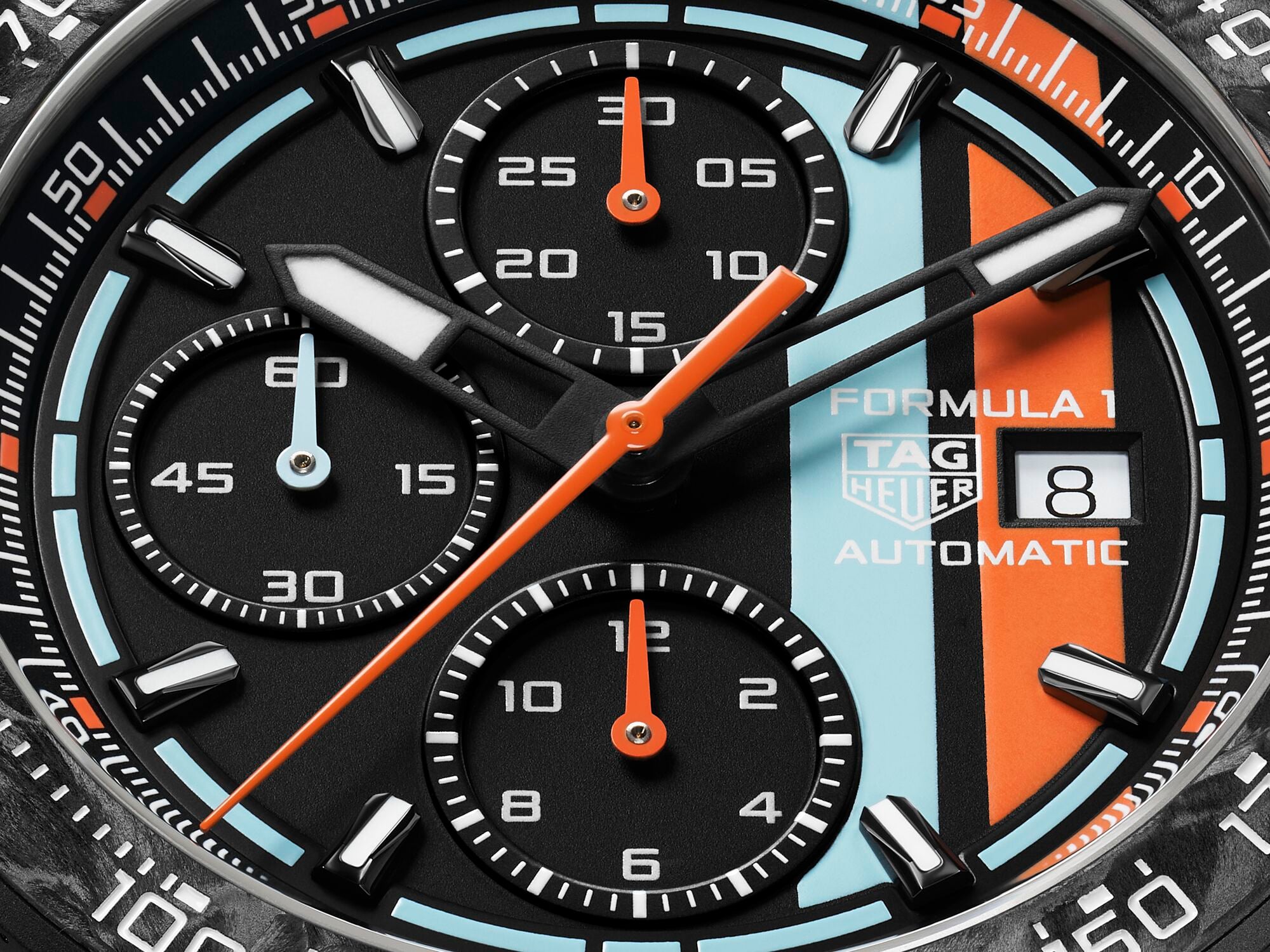
Photo · Fratello Watches – The Magazine Dedicated To Luxury Watches
There's a question hanging over every motorsport collaboration in watchmaking: is this a tribute, or is this the thing itself?
That question is worth sitting with when you look at the new TAG Heuer Formula 1 Automatic Chronograph x Gulf. Light blue and marigold. Titanium case. Carbon accents. A limited edition that, depending on which corner of the watch press you read, either earns its colors or borrows them.
Fratello opened their coverage with a genuine debate — not just about this watch, but about whether the Gulf livery is the greatest in motorsport history. They named the competition: John Player Special Lotus, Rothmans Porsche, Marlboro McLaren, Martini Lancia, Silk Cut Jaguar. Then they made their case. For a certain kind of person, the light blue and marigold of a Gulf-sponsored Porsche 917K or Ford GT is simply it. The ceiling. The one image in the whole history of racing that needs no explanation.
That framing tells you something. Because it means before the watch is even on your wrist, it's carrying the weight of a near-religious argument.
The Object, Without the Mythology
Monochrome came at the same watch from the brand history angle — noting that TAG Heuer's connection to motorsport runs back to Edouard Heuer's first stopwatch patent in 1882, and that a dashboard chronograph called the Time of Trip arrived in 1911. That's not context padding; it's a reminder that this isn't a brand that licensed a racing image to sell something aspirational. The relationship between Heuer and timed motion is structural, not decorative.
Time+Tide kept their focus on the object: titanium, carbon, and the Gulf livery rendered as a full material proposition rather than a colorway applied to an existing watch. The combination matters. Titanium keeps the weight honest. Carbon is a material that actually shows up on racing machinery — it's not metaphorical here.
What the three sources agree on, without quite saying it together: this watch works because the livery was applied with restraint, not enthusiasm. Gulf's palette is already doing everything. Light blue and marigold don't need help. The discipline is in what TAG Heuer chose not to add.
What Accessibility Does to DNA
Here's where it gets interesting. The Formula 1 line sits at a different altitude than TAG Heuer's Carrera or Monaco — it's the range that opens the door rather than anchors the case. Which means this Gulf collaboration reaches more wrists than a heritage piece would. That's a commercial reality. It's also, potentially, a cultural one.
When a livery lives on a watch that more people can actually buy, the livery spreads. Gulf blue starts appearing at dinners and airports and wherever people go who aren't at Goodwood or Le Mans. Is that dilution, or is that how something becomes permanently embedded in the culture?
I'd argue it's neither, exactly. The people who know what they're looking at will still know. The people who don't will see a beautiful watch in striking colors and feel something they can't name — which is, honestly, what the best liveries have always done. You didn't have to follow the 1970 24 Hours of Le Mans to feel the Gulf 917K in your chest when you saw it. The image preceded the knowledge.
A watch that carries that image into ordinary life isn't diminishing the source. It's extending the frequency.
The racing DNA doesn't die when it becomes accessible. It just finds more bodies to run through.
Keep reading fashion.

Gold Leaf on a Lacquer Dial, and the Weight of What That Costs
Awake's Frosted Leaf Royal Blue asks a question Vietnamese craft has never quite had to answer at this price.
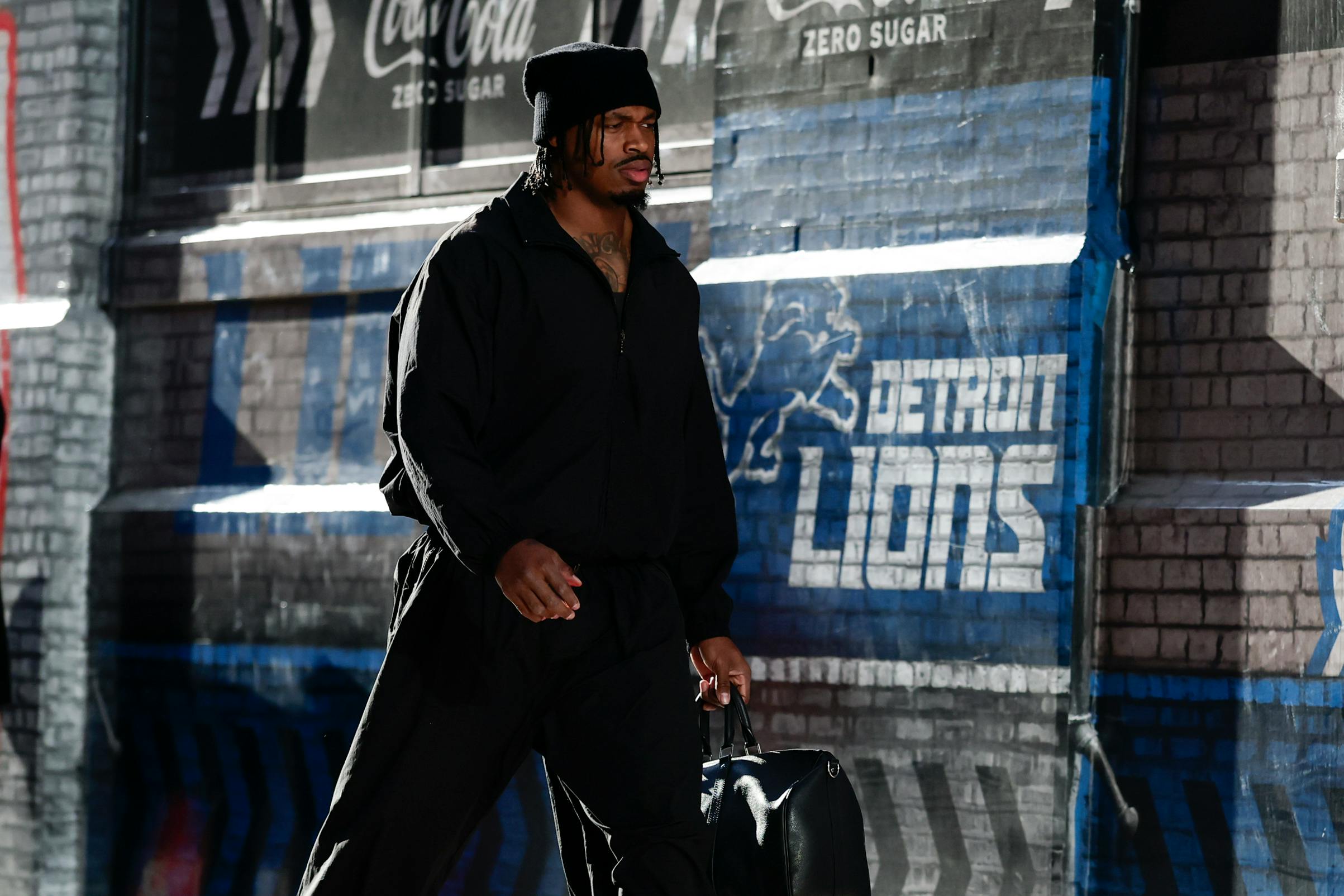
Kyle Smith Has a Job Title That Didn't Exist Before. That's the Whole Tell.
When the NFL hires a fashion editor, it's not about clothes — it's about who gets to decide what matters.
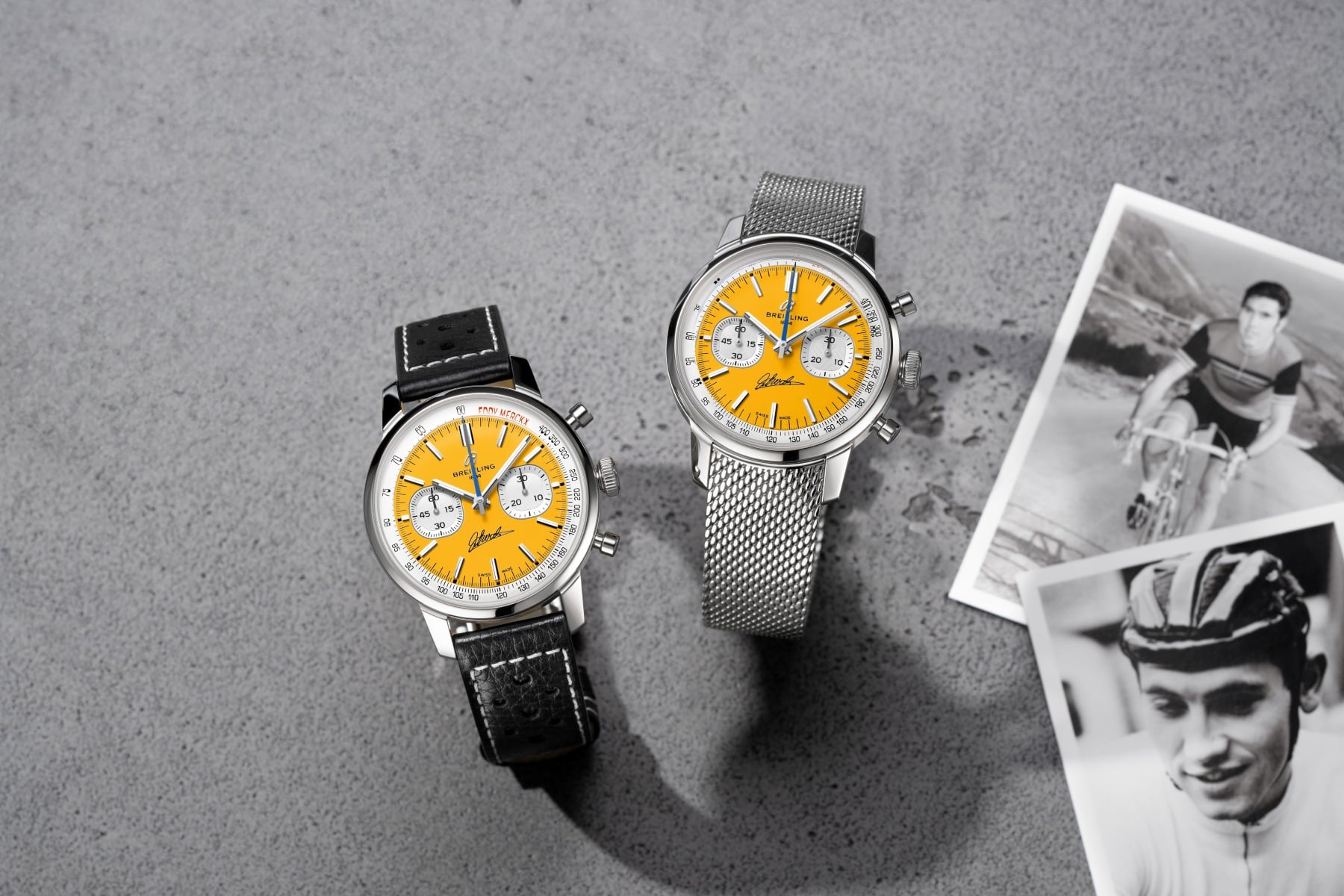
525 Victories, One Dial, and Cycling's Long Wait for a Wrist
Breitling's Eddy Merckx edition doesn't just reference a legend — it asks whether motorsport's younger sibling has finally earned its place in serious watch culture.
From the other desks.

800 Horsepower, One Ton of Doubt
Lamborghini built the most powerful SUV it's ever made. It's also slower than what it replaced.

ESPN Named Him. Then Unnamed Him. Nobody's Explaining the Gap.
A retraction without a reckoning is just a deleted link.

Hide My Email Has Been Showing Your Email
Apple's privacy flagship has a hole in it. They've known for over a year.