IWC Is Betting on Two Different Buyers — Only One of Them Is Right
A perpetual calendar for the purist, a space watch for everyone else — and the space watch is the more honest move.
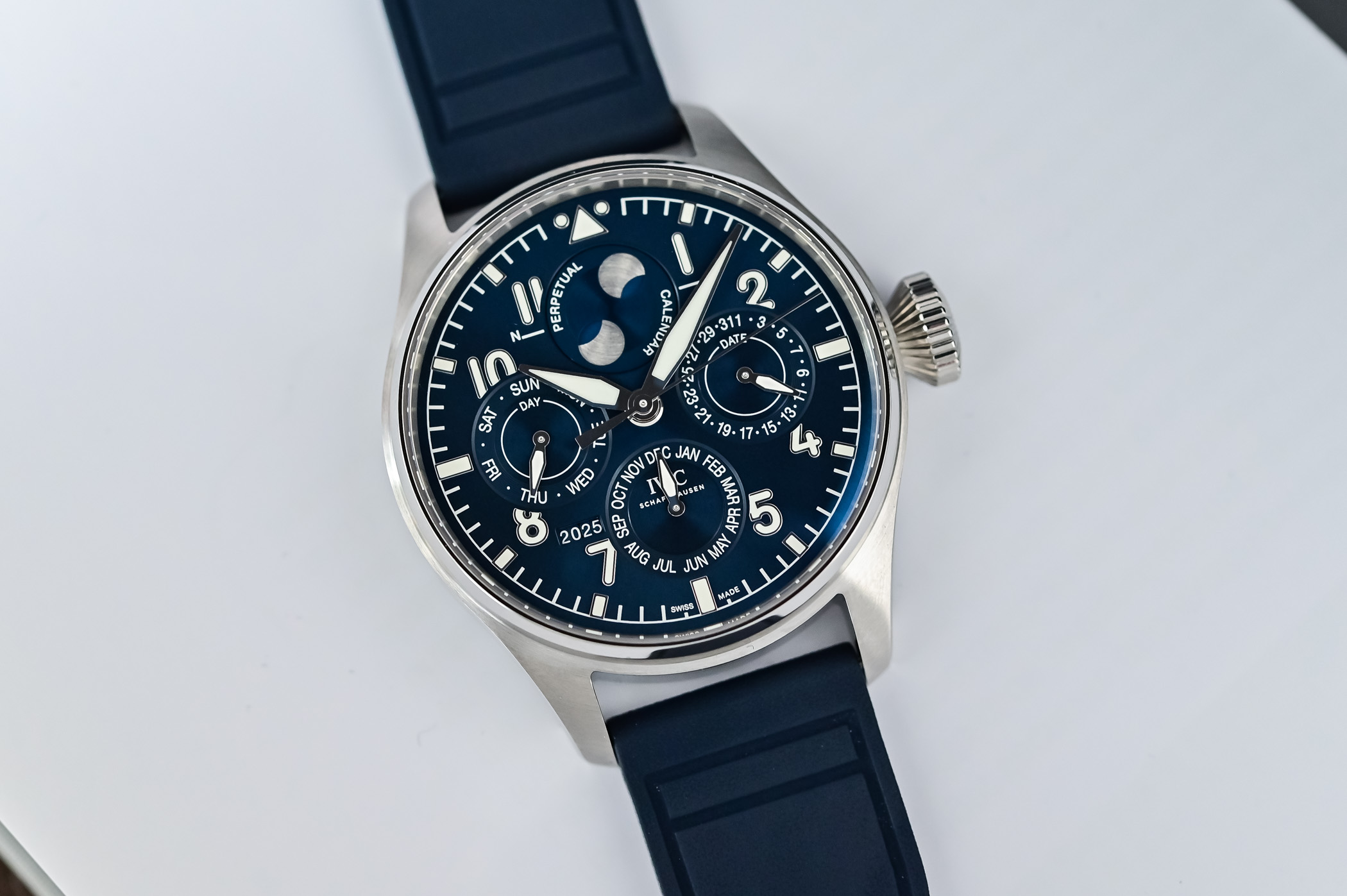
Photo · Monochrome Watches
There's a version of watchmaking that believes the mechanism is the message. Build something complicated enough, engineer it precisely enough, make the adjustment simple enough — and the watch sells itself. IWC has believed this for a long time, and the Big Pilot Perpetual Calendar ProSet is the clearest expression of that faith. A foolproof perpetual calendar, as Monochrome describes it, built around a system so considered that setting the thing doesn't require a manual or a moment of dread.
That's genuinely impressive. And it's genuinely not enough anymore.
The Mechanism Isn't the Story
The perpetual calendar has always been the watchmaker's proof of seriousness. It accounts for months of different lengths, for leap years, for the stubborn irregularity of how we've chosen to measure time. Getting one right is hard. Getting one that's also intuitive — that's rarer still, and IWC has earned its reputation there. The ProSet variant pushes that further, making a complex complication more accessible without diluting what makes it worth having.
But here's what the coverage of both releases makes visible when you read them side by side: the perpetual calendar speaks to people who already know what a perpetual calendar is. It rewards the informed. It asks you to arrive with context. The story it tells is the mechanism's own story — which is a beautiful story, but a quiet one, and quiet is getting harder to hear.
The Pilot Venturer Vertical Drive is louder. Not in aesthetics — in intention.
Space Gives You Something to Say at Dinner
Worn & Wound called it a new kind of space watch, and that framing is worth sitting with. Not a space watch in the archival sense — not a piece pulling rank by association with a mission decades past — but something that plants its flag in the current moment, when space exploration has re-entered the cultural conversation with genuine momentum. IWC isn't pretending this watch went to the moon. It's acknowledging that space means something to people right now, that there's a generation who grew up absorbing everything about exploration and still feels that pull.
That's a different kind of credential. It's not horological. It's emotional. And Oracle Time's coverage of IWC's full Watches & Wonders slate makes clear this wasn't a single swing — it was a coordinated expansion, Venturer and Ceralume Calendar and a broadened Pilot's collection all moving in the same direction, toward a buyer who wants the watch to carry a narrative they can share.
The complication purist doesn't need a story. They've already done the reading. But the narrative buyer — the person who wants to feel something when they look at their wrist, who wants the object to point somewhere beyond itself — that buyer needs to be met where they are. And where they are right now is looking up.
What IWC seems to understand, perhaps more clearly than it's letting on, is that mechanical complexity and emotional resonance are no longer the same pitch. They used to overlap comfortably. The person who cared about perpetual calendars also cared about what they represented — mastery, patience, the long view. That overlap still exists, but the audience has fractured. The ProSet is for the person who already believes. The Venturer is for the person who needs to be given a reason.
Both are legitimate. Only one of them is a growth strategy.
The watch that admits it needs a story to survive is, paradoxically, the more self-aware object in the room.
Keep reading fashion.

Gold Leaf on a Lacquer Dial, and the Weight of What That Costs
Awake's Frosted Leaf Royal Blue asks a question Vietnamese craft has never quite had to answer at this price.

Kyle Smith Has a Job Title That Didn't Exist Before. That's the Whole Tell.
When the NFL hires a fashion editor, it's not about clothes — it's about who gets to decide what matters.
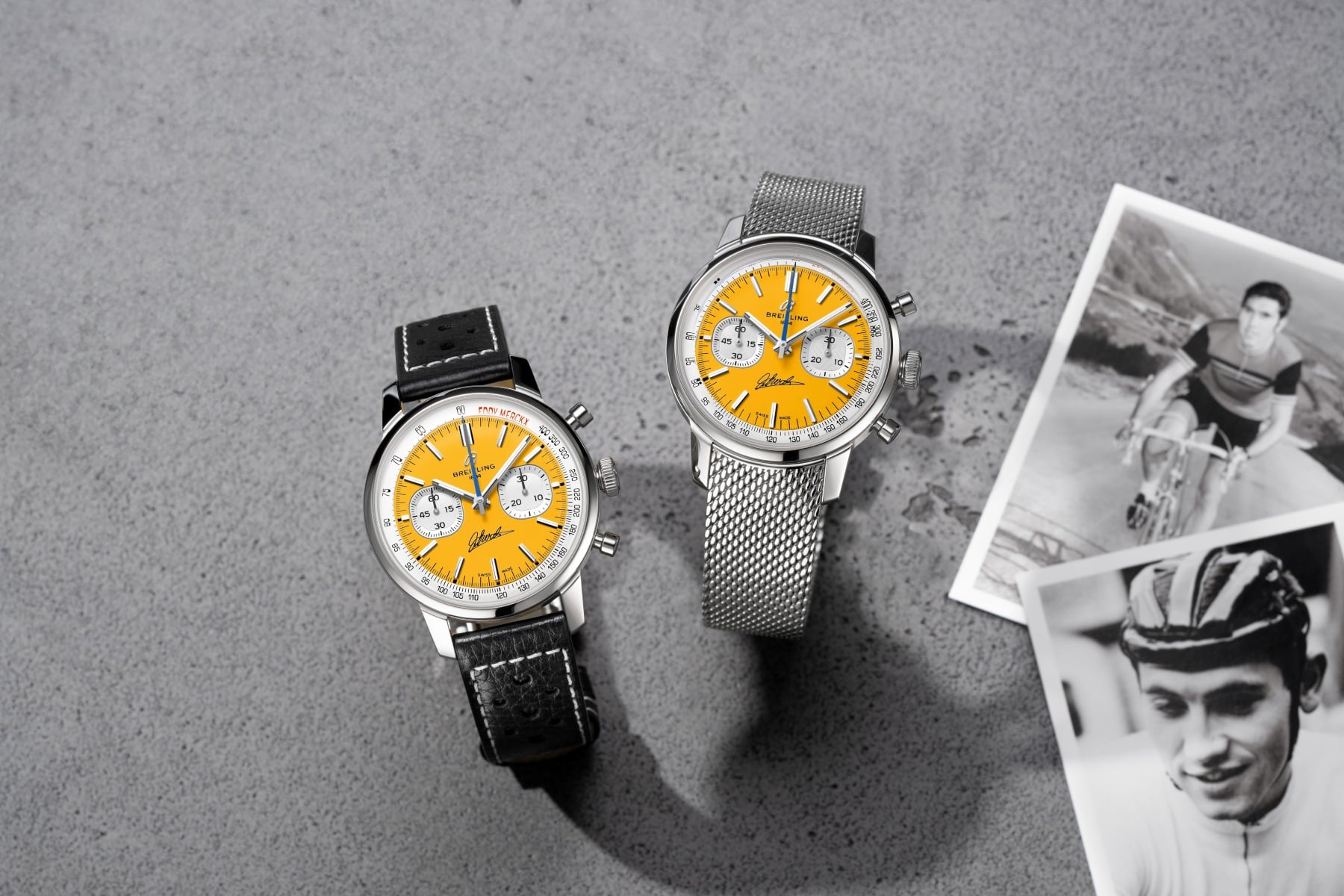
525 Victories, One Dial, and Cycling's Long Wait for a Wrist
Breitling's Eddy Merckx edition doesn't just reference a legend — it asks whether motorsport's younger sibling has finally earned its place in serious watch culture.
From the other desks.

800 Horsepower, One Ton of Doubt
Lamborghini built the most powerful SUV it's ever made. It's also slower than what it replaced.

ESPN Named Him. Then Unnamed Him. Nobody's Explaining the Gap.
A retraction without a reckoning is just a deleted link.

Hide My Email Has Been Showing Your Email
Apple's privacy flagship has a hole in it. They've known for over a year.