Men's Clothes Got Quiet in Paris, and Nobody Planned It
Seven designers, one city, one scorching week — and somehow they all arrived at the same answer without comparing notes.

Photo · WWD
The Temperature Was a Clue
Paris in summer is always a test of commitment. You show up in wool because you believe in something, or you don't show up at all. But this season, according to the coverage spread across WWD, Vogue, Dazed, and The Business of Fashion, the designers who came did something collectively strange: they dressed for the heat. Not as a compromise. As a conviction.
Jonathan Anderson's Dior sent featherlight suits down the runway. Saint Laurent under Anthony Vaccarello offered parachute tops — fabric that moves like breath, that barely registers as clothing. The Business of Fashion's Angelo Flaccavento, writing across the opening days of the Paris menswear shows, noted a prevailing sense of welcome weightlessness across Ami, Auralee, Lemaire, and Louis Vuitton. The word that kept appearing in the coverage — in different forms, from different writers, about different houses — was lightness. And not as an aesthetic choice, exactly. More like an ethical one.
This is the part that catches me. Consensus in fashion is usually suspicious. Trends are manufactured, seasons are coordinated, the industry runs on synchronized opinion. But there is a different kind of consensus — the kind that happens when enough people are paying attention to the same reality and all reach the same conclusion independently. That's what Paris Men's SS27 reads like across the coverage. Not a trend. A reckoning.
Functionality Without Apology
Rick Owens at Palais de Tokyo was, by the Dazed account, the session's most visceral statement. A muted palette — black, neutrals — fitted tops, boxy jackets with turned-up lapels, leather, cropped knitted vests. The word functionality appeared explicitly in the coverage. Owens, who has never been accused of making clothes for the merely practical, was apparently thinking about what things do, not just what they mean. The accessories were the departure point, the place where the collection broke from its own restraint — but the foundation was built for use.
Sarah Burton's debut Givenchy menswear collection, covered in Vogue's first-reactions piece, worked a related tension: tracksuits alongside sharp tailoring. Two registers, both legible, both functional in their own domain. The juxtaposition is worth sitting with. A tracksuit and a sharp suit don't usually share a runway as equals. Burton apparently made them equals. That's a statement about what menswear has become — not a hierarchy of formality, but a spectrum of purpose, where each piece earns its place by doing something.
Dries Van Noten, now stewarded by Julian Klausner, delivered what WWD called a carefree, lightweight collection — Klausner leaning into his strengths as a colorist and a storyteller. Theory's Martin Andersson offered soft, summery updates on seasonal staples. Neither house was reaching for monument. Both were reaching for usefulness, for wearability, for the thing that makes a garment matter on an ordinary Tuesday.
And then there was Yohji Yamamoto, who has never done anything ordinary. The WWD coverage described a collection built around shoulder constructions — a deep study of how clothes carry weight and what that carrying means. Philosophical musings from a master tailor. Yamamoto arriving at lightness from the opposite direction: not by subtracting, but by understanding structure so completely that he knows exactly where to let go.
What the Spectacle Left Behind
Here's what I keep coming back to: none of this sounds like a show. It sounds like thinking.
For a long stretch, Paris menswear was about the image — the runway as provocation, the collection as cultural argument, the clothes as props in a larger theatrical statement. Spectacle was the language. You measured a season by what it made you feel in the room, in the photograph, in the recap. The garments themselves were sometimes almost beside the point.
SS27 reads differently. Across seven sources covering houses from Givenchy to Edward Cuming to Auralee, the thing being praised is consistently the thing you'd actually put on your body. The weight of a suit. The cut of a jacket. Whether a top moves with you or against you. These are not revolutionary criteria. They are, in fact, the oldest criteria there are. But they've been crowded out for long enough that their return feels like news.
I don't think any of these designers sat down together and agreed to make clothes that work. I think something shifted in the culture — in what men want to wear, in what feels serious versus what feels hollow — and the designers who are paying attention felt it. The ones who didn't are probably not in these recaps.
The Real Consensus
Taste, when it's genuine, tends to converge without coordination. You see it in music, in architecture, in the cars that get quietly celebrated a decade after everyone ignored them. The good work tends to rhyme across time and across makers, not because anyone issued instructions, but because the underlying truth is available to anyone willing to look.
Paris Men's SS27 rhymes. A master tailor studying shoulders. A debut collection balancing tracksuits against tailoring. Featherlight suits in a city that was literally on fire. The palette pulling toward the quiet end of the spectrum. Functionality appearing as an explicit value at a house not known for the functional.
The clothes got quieter this season. And somehow, in that quiet, they got louder about what they think men actually need.
Keep reading fashion.

Gold Leaf on a Lacquer Dial, and the Weight of What That Costs
Awake's Frosted Leaf Royal Blue asks a question Vietnamese craft has never quite had to answer at this price.
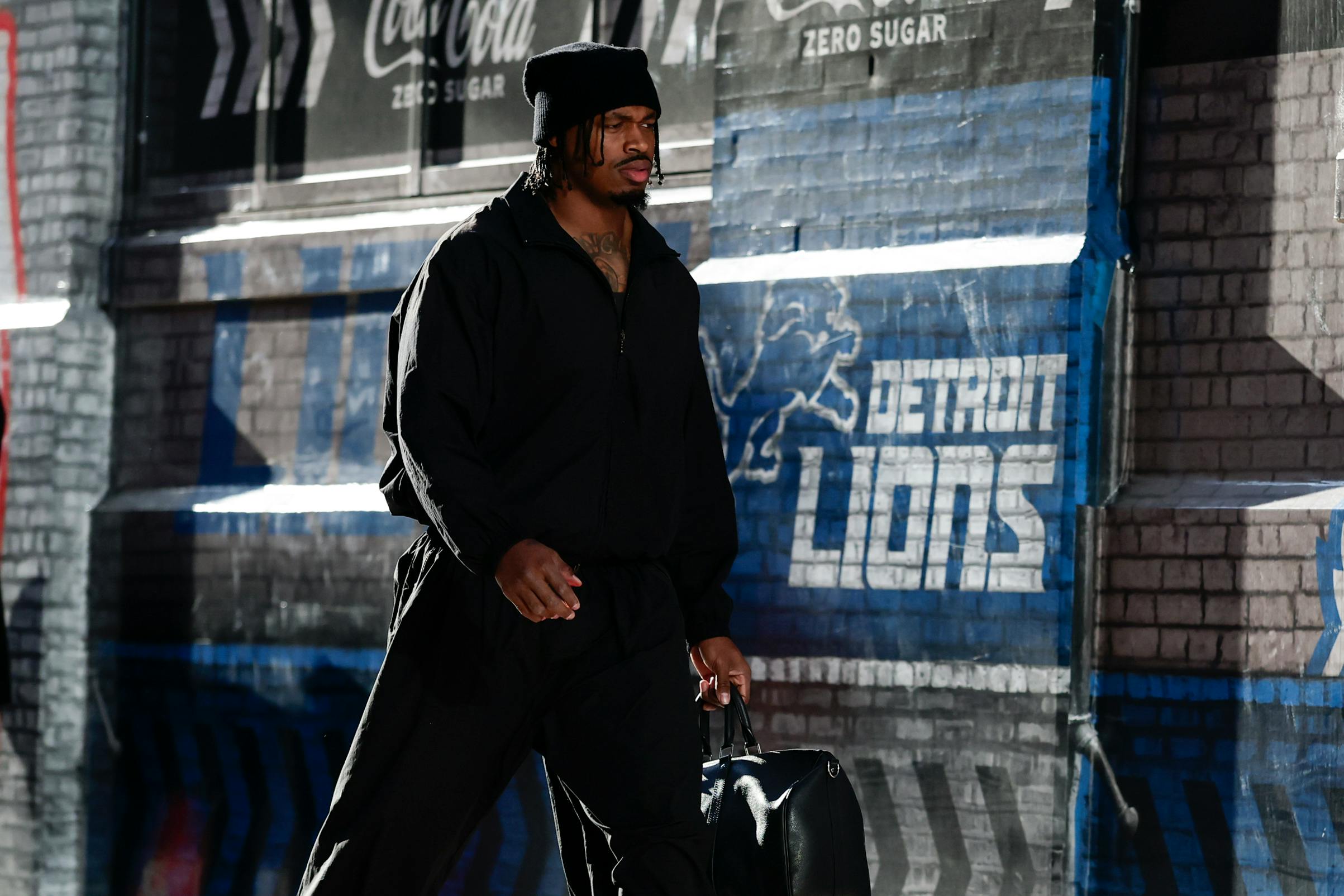
Kyle Smith Has a Job Title That Didn't Exist Before. That's the Whole Tell.
When the NFL hires a fashion editor, it's not about clothes — it's about who gets to decide what matters.
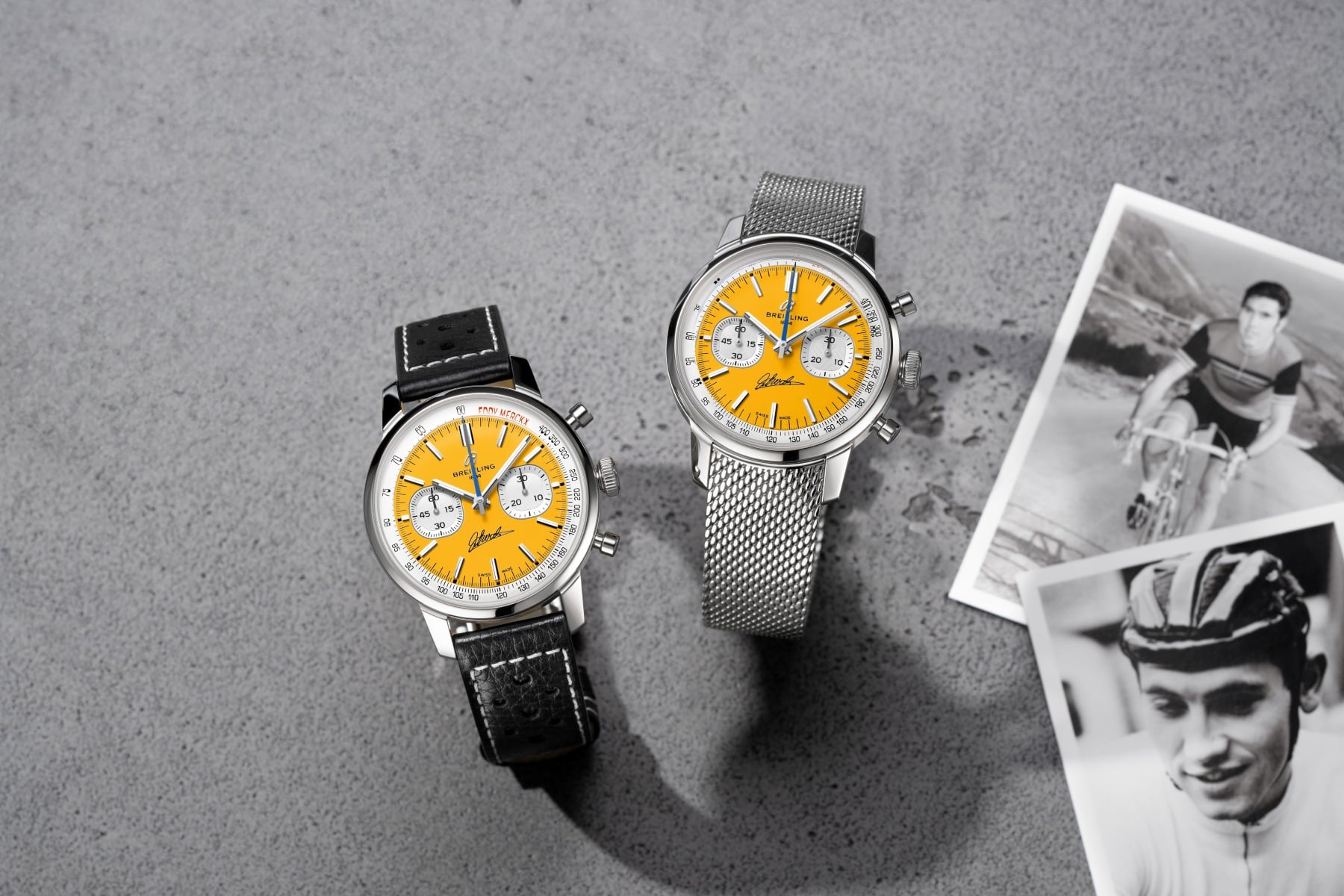
525 Victories, One Dial, and Cycling's Long Wait for a Wrist
Breitling's Eddy Merckx edition doesn't just reference a legend — it asks whether motorsport's younger sibling has finally earned its place in serious watch culture.
From the other desks.

800 Horsepower, One Ton of Doubt
Lamborghini built the most powerful SUV it's ever made. It's also slower than what it replaced.

ESPN Named Him. Then Unnamed Him. Nobody's Explaining the Gap.
A retraction without a reckoning is just a deleted link.

Hide My Email Has Been Showing Your Email
Apple's privacy flagship has a hole in it. They've known for over a year.