Nike Beat Expectations. It Also Said Out Loud That It Shouldn't Have To.
A quarter that required a tariff refund to feel like a win is a quarter worth examining slowly.

Photo · WWD
There's a particular kind of earnings call that tells you more by what it admits than what it announces. Nike just had one of those.
Net sales for the quarter came in at $10.97 billion — down one percent from the same period last year, according to WWD. Annual revenues dipped two percent. By the numbers, both figures beat expectations, which is the part of the story that got the headline. But expectations, at this point in Nike's arc, are doing a lot of heavy lifting.
The Refund in the Room
The more revealing detail is what Vogue flagged in its coverage: tariff refunds are being floated as a potential financial boon for the company going forward. When a brand with Nike's scale needs to point to government intervention as a material tailwind, the turnaround narrative deserves a second look. A refund isn't growth. It's a ceiling raised slightly by a hand from outside the building.
North America was cited as a bright spot. China lagged. That geographic split is worth sitting with — because China isn't a footnote for a brand that spent years treating it like the future. If that market is still slow while domestic numbers are doing the work, the question isn't whether the quarter was solid. The question is whether solid is enough.
What the CEO Said
CEO Elliott Hill said it plainly on the earnings call, as reported by WWD: "We know we're not living up to our full potential." That's a striking thing to say out loud when you're in the middle of a turnaround. It could read as humility, the kind of grounded self-awareness that signals a leadership team that knows exactly what it's fixing. Or it could read as something else — an acknowledgment that the gap between where the brand is and where it should be is wide enough to name in front of investors without embarrassment.
I keep coming back to that phrase. Not because it's alarming, but because it's honest in a way that a lot of brands refuse to be. Nike is one of the few companies large enough that admitting underperformance in a public forum doesn't crater confidence — it actually steadies it. The brand has enough accumulated trust to absorb the confession. But trust isn't infinite, and admissions of potential require eventual evidence.
A beat built on a revenue line that's still contracting year-over-year, softened by a tariff landscape that's in flux, isn't a turnaround confirmed. It's a turnaround in progress — which is fine, as long as everyone agrees on the terms. The coverage across the board treated the quarter as a positive signal, and maybe it is. But there's a difference between a company gaining momentum and a company managing the story of momentum.
Nike, this quarter, did both. The question worth asking next quarter is which one it's doing more of.
Keep reading fashion.
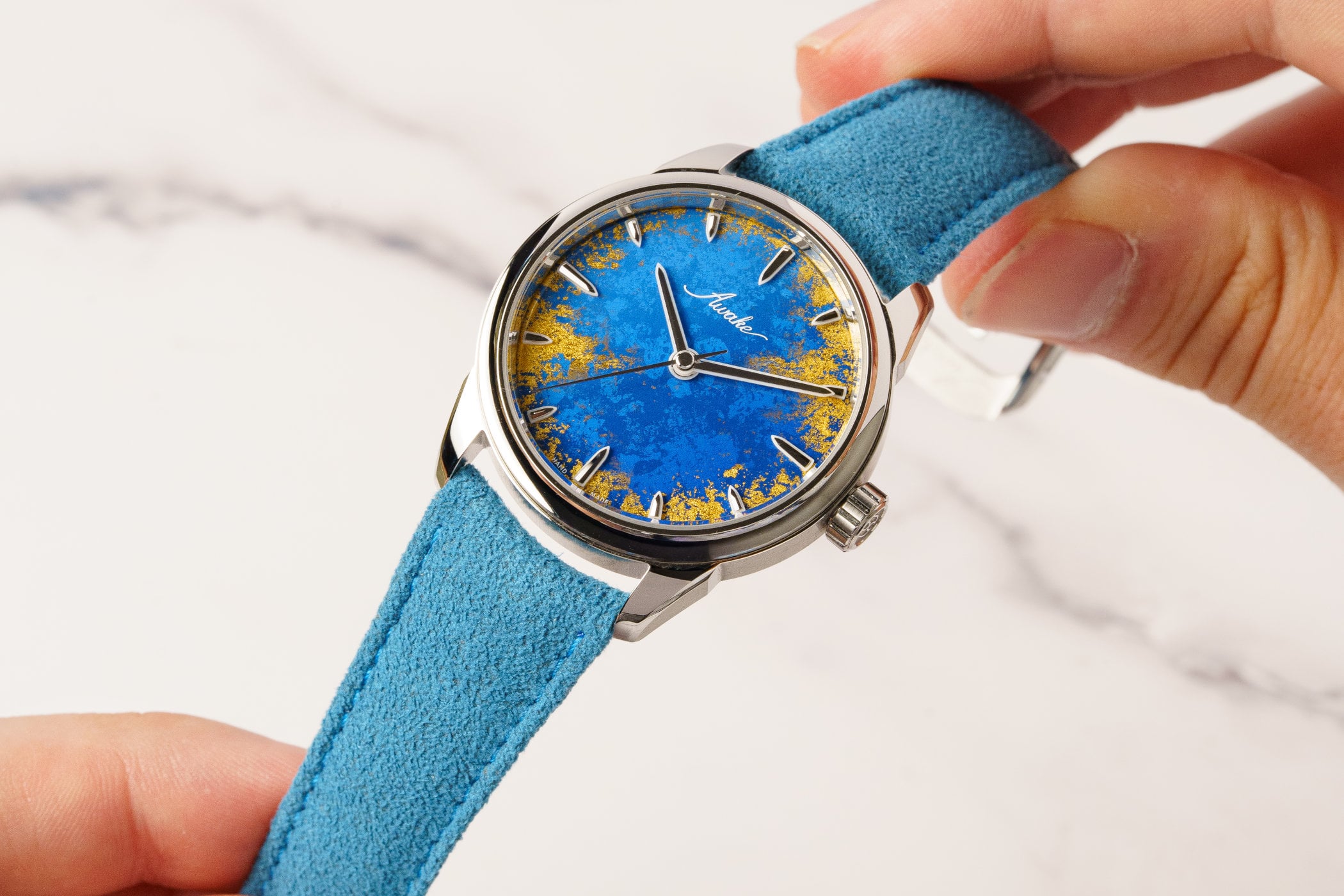
Gold Leaf on a Lacquer Dial, and the Weight of What That Costs
Awake's Frosted Leaf Royal Blue asks a question Vietnamese craft has never quite had to answer at this price.
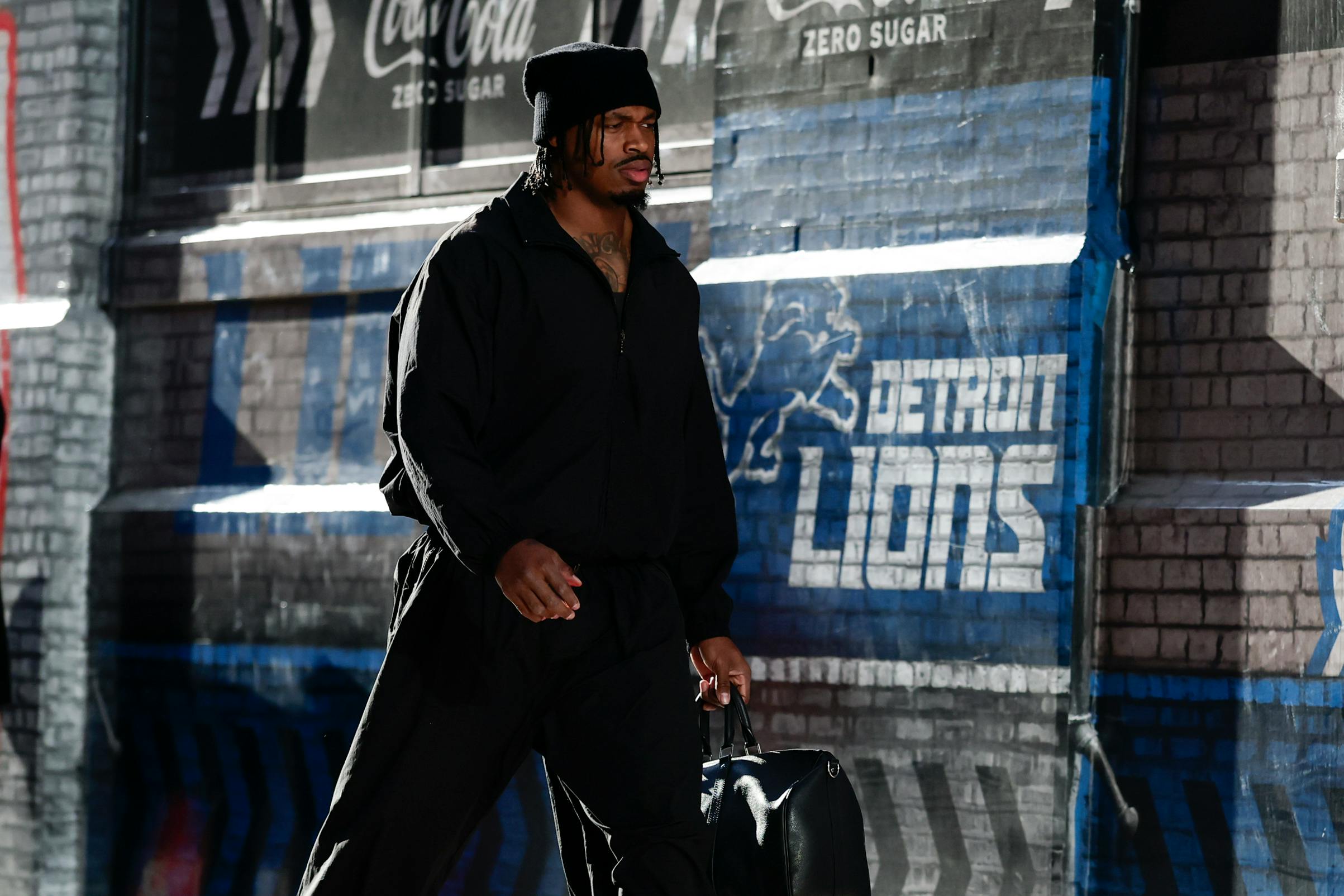
Kyle Smith Has a Job Title That Didn't Exist Before. That's the Whole Tell.
When the NFL hires a fashion editor, it's not about clothes — it's about who gets to decide what matters.
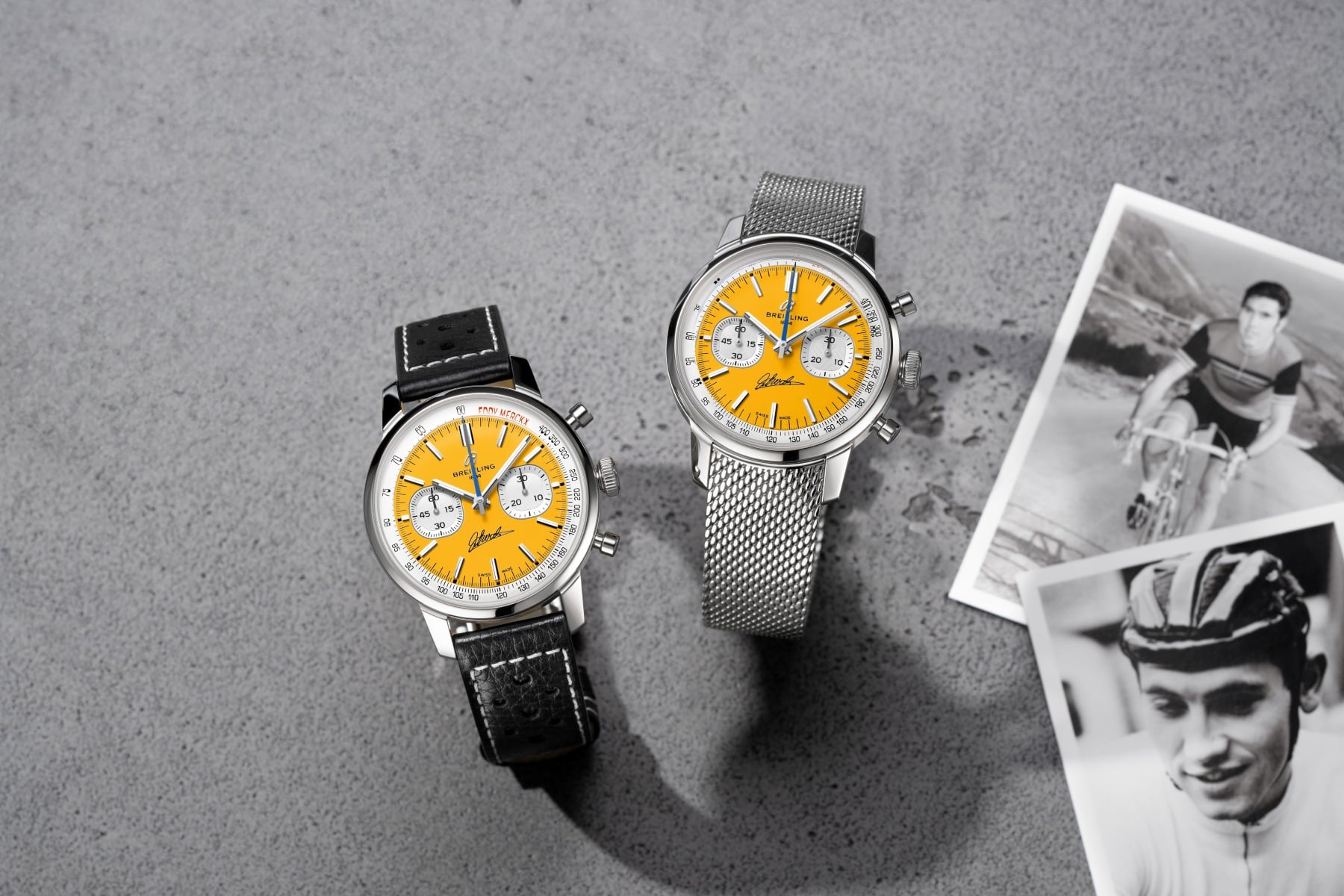
525 Victories, One Dial, and Cycling's Long Wait for a Wrist
Breitling's Eddy Merckx edition doesn't just reference a legend — it asks whether motorsport's younger sibling has finally earned its place in serious watch culture.
From the other desks.
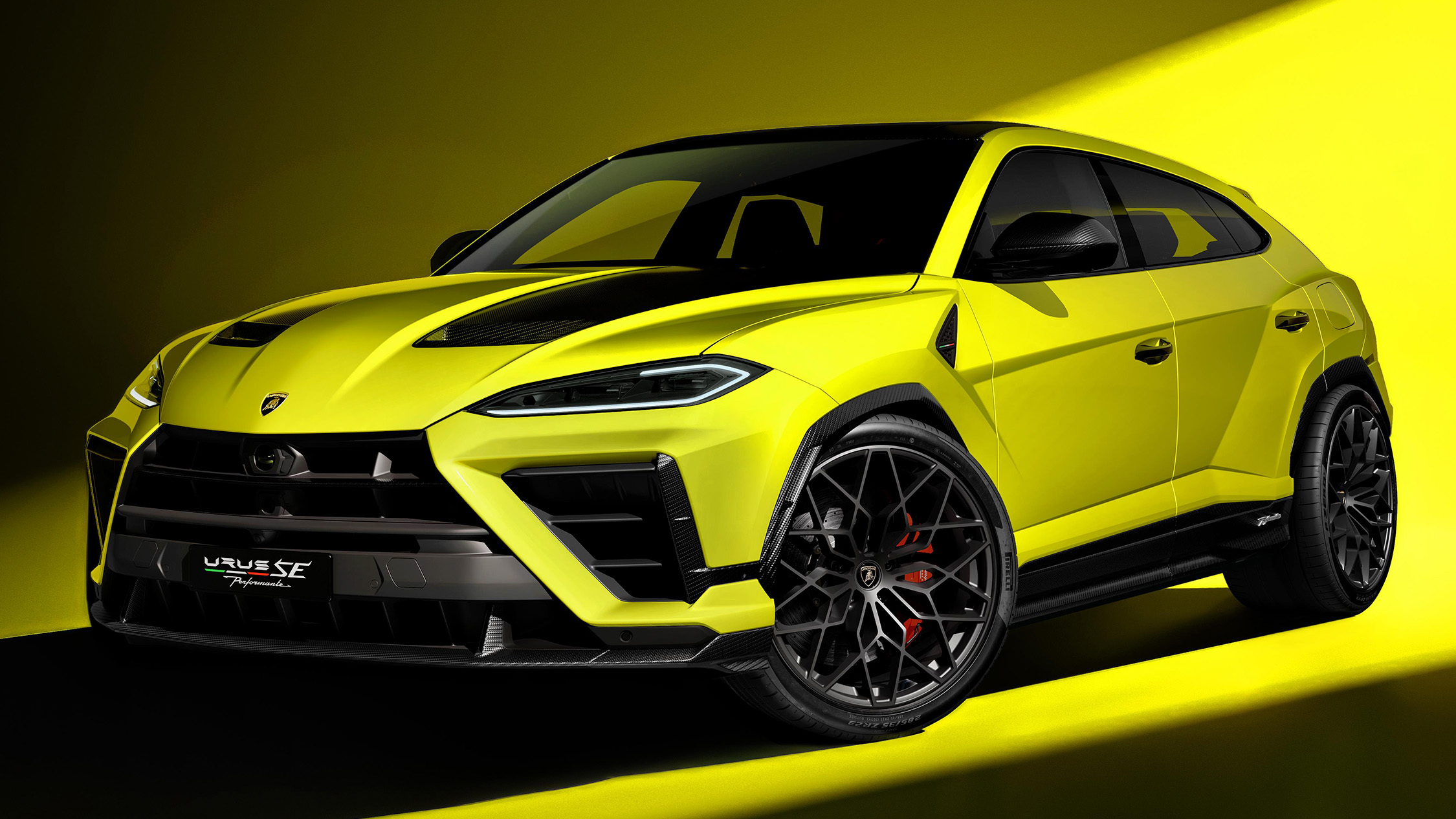
800 Horsepower, One Ton of Doubt
Lamborghini built the most powerful SUV it's ever made. It's also slower than what it replaced.
ESPN Named Him. Then Unnamed Him. Nobody's Explaining the Gap.
A retraction without a reckoning is just a deleted link.

Hide My Email Has Been Showing Your Email
Apple's privacy flagship has a hole in it. They've known for over a year.