Refn, Kojima, and Five Days at the Chelsea Hotel That Nobody Could Quite Explain
When a fashion house hands its name to a filmmaker and a game designer and says 'do something,' the real question isn't what they made — it's why that answer satisfies us now.

Photo · i-d.co
There's a version of the Chelsea Hotel that exists entirely in other people's memories. You know the one. Layers of mythology, generations of artists, a building that became shorthand for a certain kind of seriousness — the kind that doesn't ask permission and doesn't explain itself. It's a perfect place, then, for something that also doesn't explain itself.
Prada Mode chose the Chelsea for five days. Nicolas Winding Refn and Hideo Kojima were there. That sentence alone does a particular kind of work on a particular kind of person — and that, more than anything that happened inside, is worth sitting with.
Two People Who Shouldn't Make Sense Together
Refn makes films. Kojima makes games. One is Danish; one is Japanese. Office Magazine noted their friendship as something that transcends distance, language barriers, and even time — which sounds like the kind of thing you put on a press release until you consider that it might simply be true. Some creative affinities are genuinely inexplicable. They resist the neat summary. That's not a weakness; that's the whole texture of the thing.
Their collaboration for Prada Mode was called Satellites II, building on an earlier exhibition of the same name. The premise — human connection and communication — is broad enough to mean anything and specific enough, in the hands of these two, to mean something precise. A filmmaker obsessed with image and pace. A game designer obsessed with traversal and loneliness. Put them in a room with a fashion house's resources and a hotel full of ghosts, and you get something that coverage struggles to categorize. That struggle is telling.
The i-D account of the event framed it, cheekily, as a press trip to a parent's house — the Chelsea as inherited mythology, familiar and slightly surreal to walk through. That framing is affectionate but also quietly sharp. There's something almost domestic about the way Prada Mode operates: a members' club welcomed first, then the public let in, the whole thing feeling less like a launch and more like an extended gathering at someone's home who happens to have extraordinary taste and an unlimited budget.
What Prada Mode Actually Is
It calls itself a contemporary cultural series. The language is careful and slightly evasive, which is appropriate. What it actually does — according to the coverage — is transform city spaces into immersive galleries, bring together audiences and figures from across disciplines, and create a container for things that wouldn't fit anywhere else in the fashion calendar.
The Chelsea Hotel hosted the private days: talks, workshops, performances, parties, screenings. Then four additional New York locations opened to the public as site-specific installations. The project radiated outward from the hotel into the city, which is either a metaphor for connection and communication or just good event design. Probably both.
What strikes me about this model is how much permission it creates. Fashion has always had adjacencies — to art, to film, to music — but those adjacencies were usually decorative. The campaign that features a director. The collaboration that borrows an artist's name. Prada Mode feels structurally different. Refn and Kojima aren't decorating anything. They're the event. The fashion house is the infrastructure, not the content. That's a meaningful inversion, and it's happening more quietly than it deserves.
Prestige Has Always Needed Somewhere to Put the Unexplainable
Here's what I keep returning to: both pieces covering this event spend more time establishing atmosphere than explaining what the work actually was. That's not a criticism of the coverage. It might be the honest response. When something is genuinely immersive and site-specific, when it's built around a cosmic voyage — Office Magazine's phrase — description starts to feel beside the point.
But there's also something convenient about that. Prestige has always needed a category for the things it endorses that it can't fully defend. Art does that work. Film does it. Now, apparently, a video game designer and a Danish filmmaker in a historic New York hotel can do it too. The cultural seriousness of the participants launders the inexplicability of the outcome. You don't have to understand it. You just have to know that Kojima was there.
I don't mean that cynically. I mean it as an observation about how taste actually functions. We extend trust to certain figures — their presence signals that something is worth our attention even before we've processed what it is. Refn and Kojima carry that kind of weight. Their friendship, and whatever Satellites II becomes, borrows from both of them equally.
A Building That Earns the Mythology
The Chelsea Hotel was a good choice for exactly the reason it's an obvious choice. Some locations earn their symbolism through accumulation — enough real things happened there that the address itself has become an argument. Using it isn't lazy; it's load-bearing. The building does work that a blank gallery cannot.
And maybe that's the cleanest way to read the whole event. Prada Mode didn't need to justify Satellites II in conventional terms — exhibition, screening, installation — because every element was already carrying historical weight. The hotel. The filmography. The game catalog. The friendship that shouldn't make sense. Stack enough of those and you don't need an explanation. You just need five days and an open door.
Somewhere in that stack is a question worth asking yourself: what are you endorsing when you can't explain why, and are you comfortable with the answer?
Keep reading fashion.

Gold Leaf on a Lacquer Dial, and the Weight of What That Costs
Awake's Frosted Leaf Royal Blue asks a question Vietnamese craft has never quite had to answer at this price.
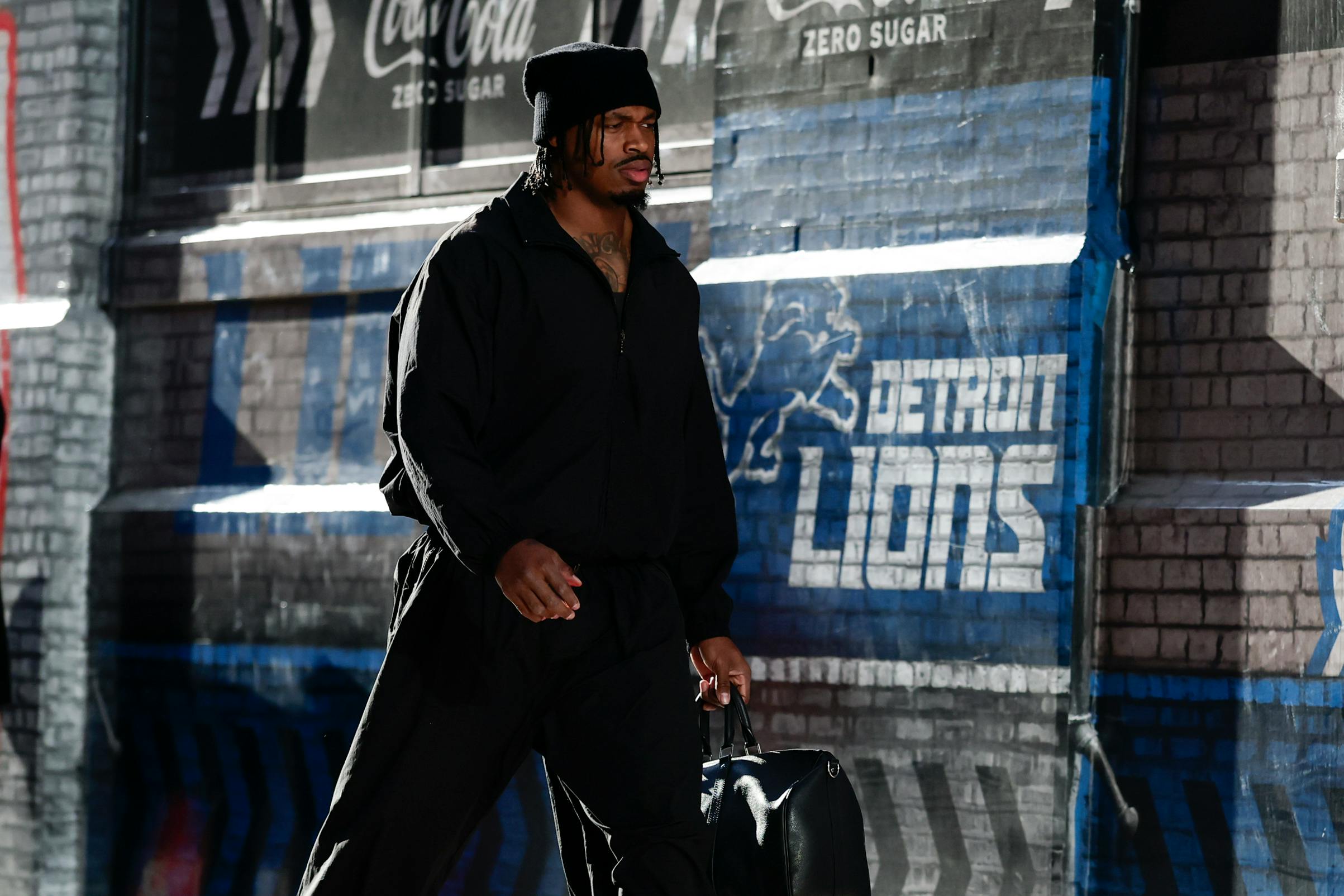
Kyle Smith Has a Job Title That Didn't Exist Before. That's the Whole Tell.
When the NFL hires a fashion editor, it's not about clothes — it's about who gets to decide what matters.
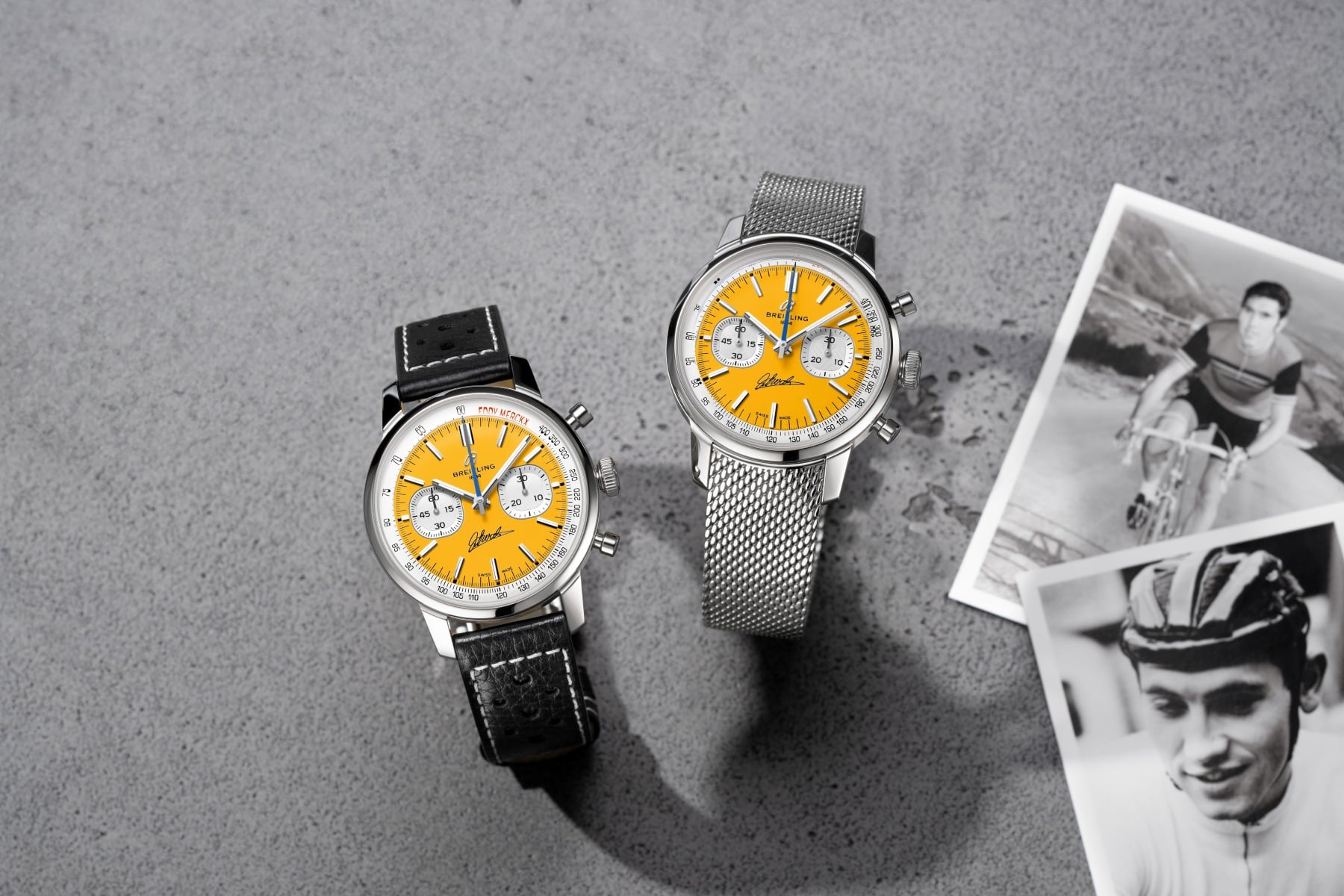
525 Victories, One Dial, and Cycling's Long Wait for a Wrist
Breitling's Eddy Merckx edition doesn't just reference a legend — it asks whether motorsport's younger sibling has finally earned its place in serious watch culture.
From the other desks.

800 Horsepower, One Ton of Doubt
Lamborghini built the most powerful SUV it's ever made. It's also slower than what it replaced.

ESPN Named Him. Then Unnamed Him. Nobody's Explaining the Gap.
A retraction without a reckoning is just a deleted link.

Hide My Email Has Been Showing Your Email
Apple's privacy flagship has a hole in it. They've known for over a year.