Serious Collectors Wanted Permission to Have Fun. AP x Swatch Just Gave It.
When the gatekeepers start cheering, the gate was never really there.
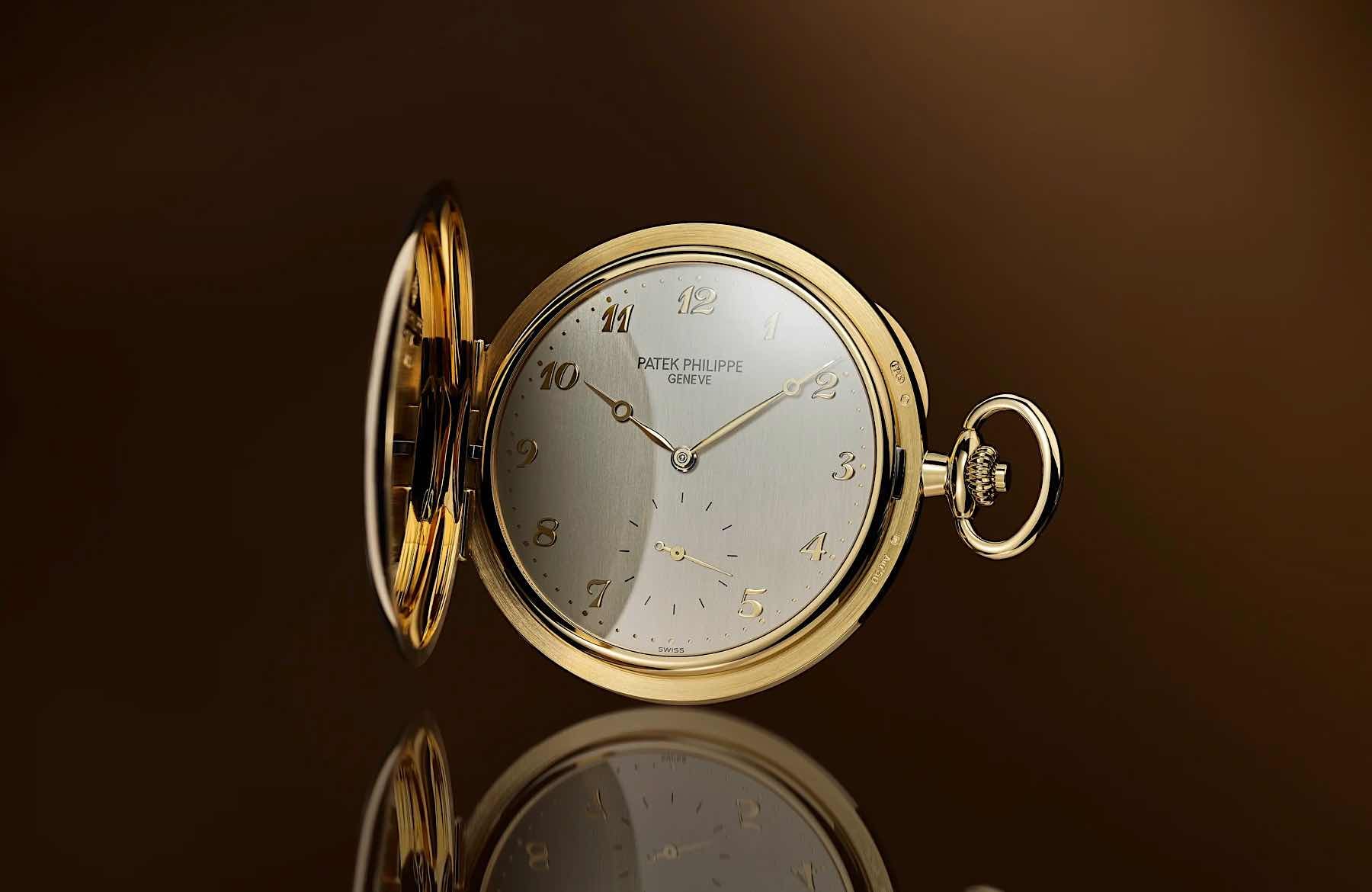
Photo · Fratello Watches – The Magazine Dedicated To Luxury Watches
The Watch That Wasn't Supposed to Work
Picture the collector. He has a grail piece — something serious, something that took years to acquire. He understands movement architecture. He reads forums at midnight. He has opinions about finishing. And when the Audemars Piguet x Swatch Royal Pop dropped, he was first in line.
That is the detail worth sitting with.
Not the colorways, not the price point, not the internet traffic. The detail is who showed up — and what their showing up means about the culture that supposedly kept people like them at a careful, reverent distance from anything that looked like fun.
The Royal Pop was not supposed to earn the approval it earned. Collaborations between storied watchmakers and accessible brands follow a familiar script: the enthusiast community performs mild outrage, the mainstream audience loses its mind, and eventually the two camps ignore each other and move on. That is not what happened here. According to coverage in Robb Report, watch professionals — people who spend their professional lives inside the serious end of horology — actually love this thing. They said so, on the record.
That changes the story entirely.
What the Pros Said, and Why It Matters
Robb Report spoke to collectors and watch industry figures about the collection, and the consensus was not the polite tolerance you might expect. It was genuine enthusiasm. The kind that doesn't require hedging.
I keep coming back to that. Because the serious collector's identity is built, in no small part, on discrimination — on knowing which things deserve attention and which don't. When those same people endorse a collaboration that puts an iconic case shape in Swatch territory, they are not just approving a watch. They are approving a posture. They are saying: delight is a legitimate reason to want something.
For anyone who has spent time in watch culture — or fashion culture, or car culture, or any arena where taste is performed as much as practiced — that admission is significant. Gatekeeping is often dressed up as connoisseurship. The Royal Pop, by generating this particular response from this particular audience, quietly exposed the costume.
A Pendulum Swinging
Fratello took the conversation somewhere unexpected: they used the Royal Pop's cultural moment as a launching pad to ask whether pocket watches might be due for a resurgence. The question itself is telling. A collaboration that put a recognizable silhouette into new hands got a serious watch publication wondering about format reinvention, about analog objects reclaiming space in a world that keeps predicting their obsolescence.
There is something generous in that line of thinking. Fashion is, as Fratello put it, a fickle and unpredictable muse. The Royal Pop as a trigger for broader curiosity — about what we carry, how we carry it, what forms might be dormant rather than dead — suggests the collaboration did something rarer than sell out. It opened a door that wasn't supposed to be there.
Pocket watches are an extreme example, but the instinct behind the question is sound. When something breaks through the way the Royal Pop did, the interesting question is never just why did people want this. It's what else might people want that they haven't been given permission to want yet.
Permission Is the Product
Here is what I think both pieces are circling without quite landing on: the Royal Pop sold permission.
Not a movement, not a complication, not even a design — though the design clearly carries weight. What it sold was the feeling that wanting something playful, something colorful, something unburdened by the usual gravity of fine watchmaking, is not a sign of lesser taste. It is taste. It is a different expression of the same attention.
The collectors who showed up — the ones Robb Report quoted, the ones Fratello is clearly writing for — they didn't abandon their standards. They expanded them. And the brands involved gave them the cover to do it without apology.
That is harder to manufacture than a limited run. You can replicate a colorway. You cannot replicate the moment when a culture's most devoted gatekeepers decide to leave the gate open.
The watch on your wrist has always said something about who you are. The Royal Pop says something about who you're willing to be.
Keep reading fashion.
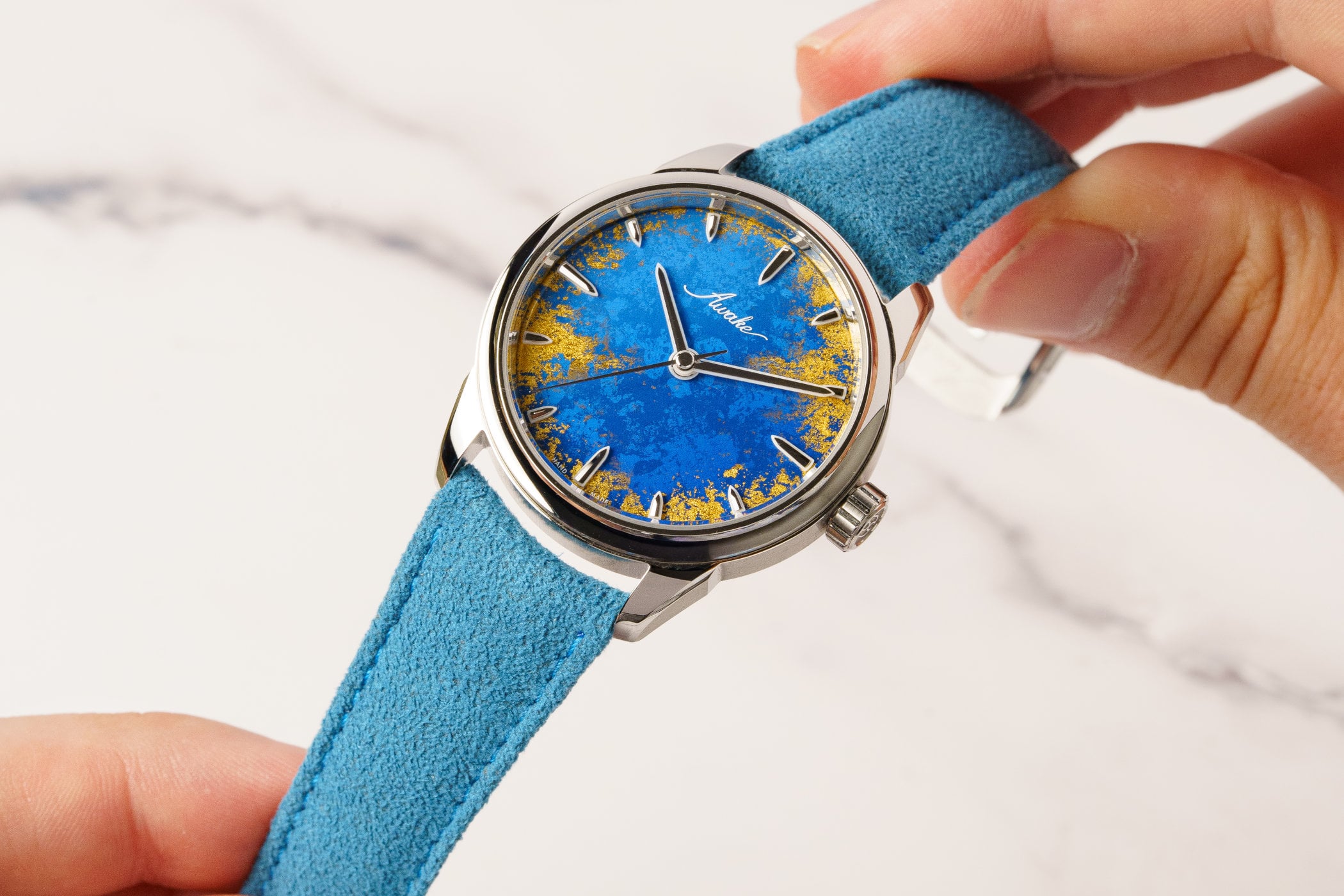
Gold Leaf on a Lacquer Dial, and the Weight of What That Costs
Awake's Frosted Leaf Royal Blue asks a question Vietnamese craft has never quite had to answer at this price.
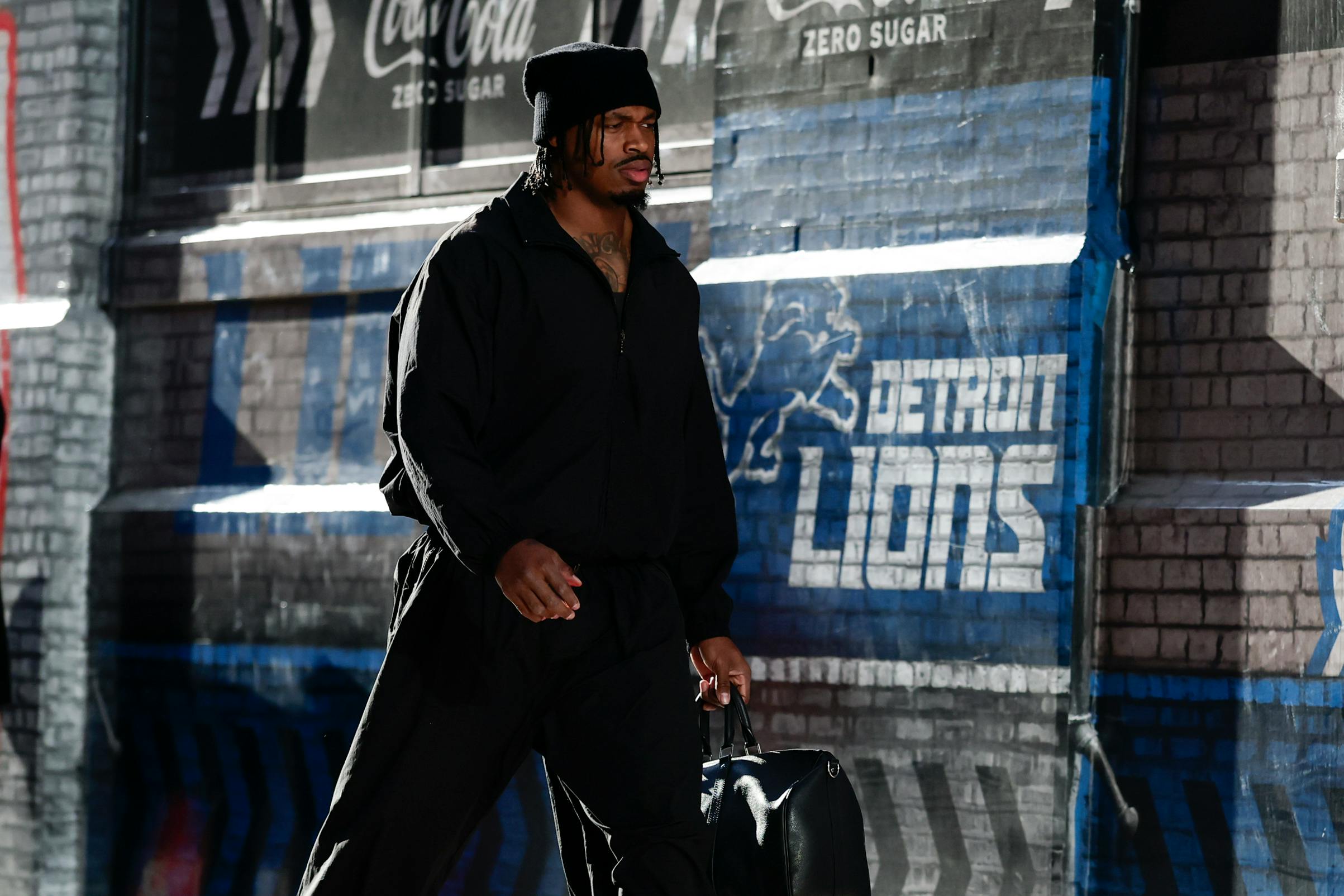
Kyle Smith Has a Job Title That Didn't Exist Before. That's the Whole Tell.
When the NFL hires a fashion editor, it's not about clothes — it's about who gets to decide what matters.
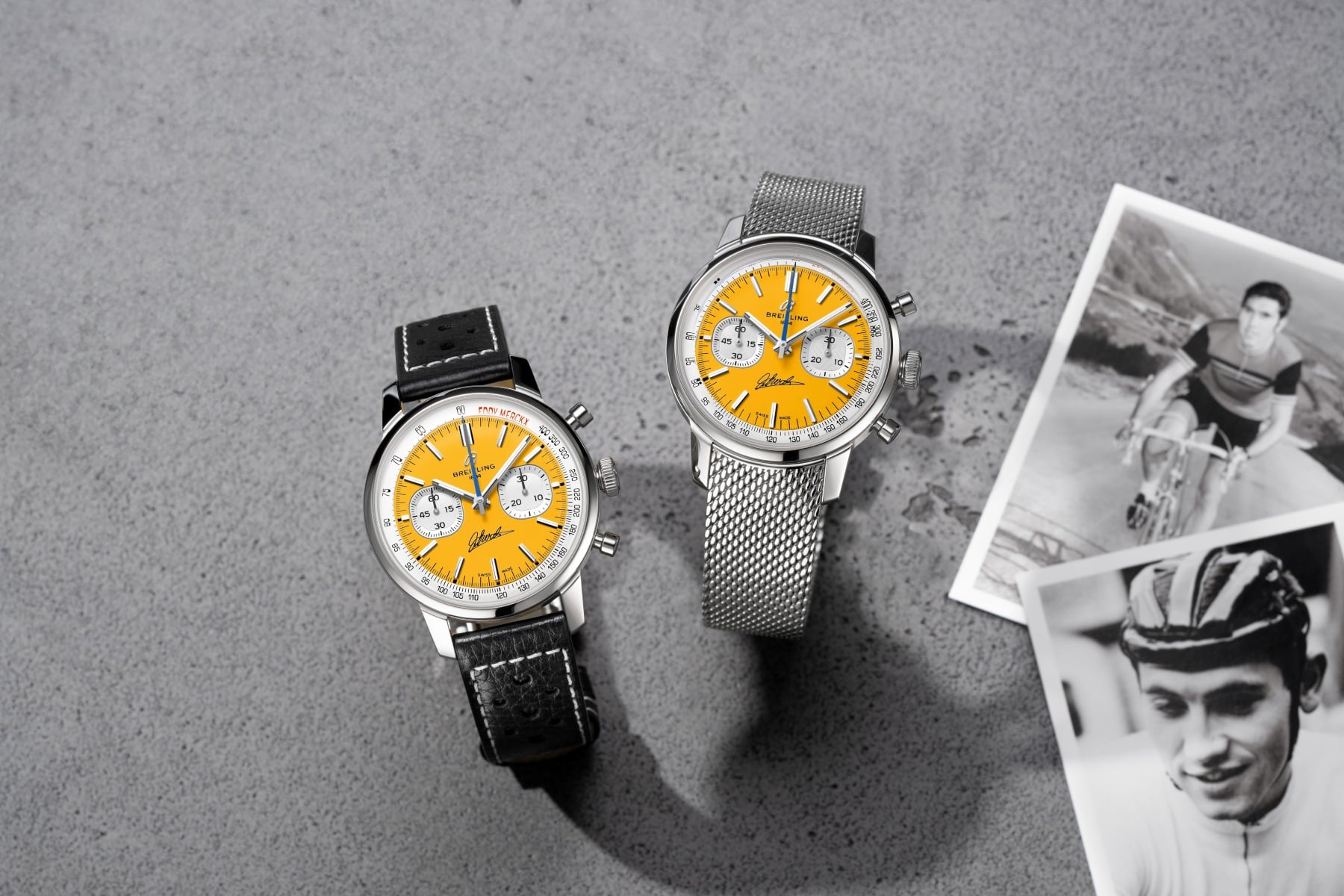
525 Victories, One Dial, and Cycling's Long Wait for a Wrist
Breitling's Eddy Merckx edition doesn't just reference a legend — it asks whether motorsport's younger sibling has finally earned its place in serious watch culture.
From the other desks.

800 Horsepower, One Ton of Doubt
Lamborghini built the most powerful SUV it's ever made. It's also slower than what it replaced.
ESPN Named Him. Then Unnamed Him. Nobody's Explaining the Gap.
A retraction without a reckoning is just a deleted link.

Hide My Email Has Been Showing Your Email
Apple's privacy flagship has a hole in it. They've known for over a year.