Swatch Had One Job at Every Store in the World Simultaneously
When a global launch collapses into crowd chaos, the question isn't whether it was planned—it's whether the plan was ever the point.

Photo · Scottish Watches
There's a version of this story where everything went perfectly.
Swatch, one of the largest watch companies in the world, partners with Audemars Piguet on something called the Royal Pop. Crowds gather. Excitement builds. Product moves. Everyone goes home with a story.
That is not what happened.
What Actually Occurred
By most accounts across the coverage, the Royal Pop launch devolved into something closer to a case study in how not to move product at scale. Reports of chaos — queues, crowds, disorder — spread quickly across social media, with video evidence circulating widely enough that the story became the story. One outlet, referencing the fallout directly, dubbed it the "Royal Plop." That's not a nickname you recover from in a news cycle.
For context: Swatch is described as a multi-billion dollar Swiss company with significant global presence. This was not a small independent brand attempting its first major drop. This was a company with the infrastructure, the history, and the resources to have done this correctly — or at least safely. The gap between those capabilities and what actually unfolded is where the real conversation lives.
The Part Worth Sitting With
Here's the tension both sources circle without fully naming: in the era of hype-drop culture, chaos reads as confirmation that something matters. Lines around the block, resellers circling, Instagram footage of crowded storefronts — all of it functions, however cynically, as marketing. The disorder becomes the proof of desirability.
So you're left with an uncomfortable question. When a launch of this scale collapses into visible dysfunction, how do you distinguish between a company that genuinely failed to manage demand and a company that understood, somewhere in the planning, that a certain amount of beautiful chaos would do more for the brand than a clean, orderly queue? The market, it turns out, doesn't particularly care which one it is. The footage circulates either way. The conversation happens either way. The Royal Pop becomes a thing people know about — not because of the watch itself, but because of what surrounded the attempt to sell it.
That's the part that should make anyone paying attention uncomfortable.
Because if operational incompetence and manufactured scarcity now produce identical outcomes — culturally, commercially, conversationally — then there's no longer any pressure to fix the incompetence. The dysfunction becomes load-bearing. It does work that a smooth launch simply cannot.
Audemars Piguet's name is attached to this. That's a brand that has spent decades cultivating a very particular kind of seriousness. Watching that name appear in the same sentence as crowded sidewalks and social media chaos is its own kind of statement — about where the watch world is now, about what collaboration means when one partner's entire identity is scarcity and the other's is accessibility, and about what happens when those two philosophies meet in a retail environment with no clear plan for the collision.
The watch community noticed. The "Royal Plop" framing wasn't accidental or affectionate. It was a verdict.
But verdicts in this space have a short half-life. The resale market doesn't grade on execution. And the next collaboration announcement will still draw a crowd — maybe a bigger one, having learned that chaos, at minimum, keeps the conversation alive.
That's not cynicism. That's just what the evidence suggests.
Keep reading fashion.

Gold Leaf on a Lacquer Dial, and the Weight of What That Costs
Awake's Frosted Leaf Royal Blue asks a question Vietnamese craft has never quite had to answer at this price.
Kyle Smith Has a Job Title That Didn't Exist Before. That's the Whole Tell.
When the NFL hires a fashion editor, it's not about clothes — it's about who gets to decide what matters.
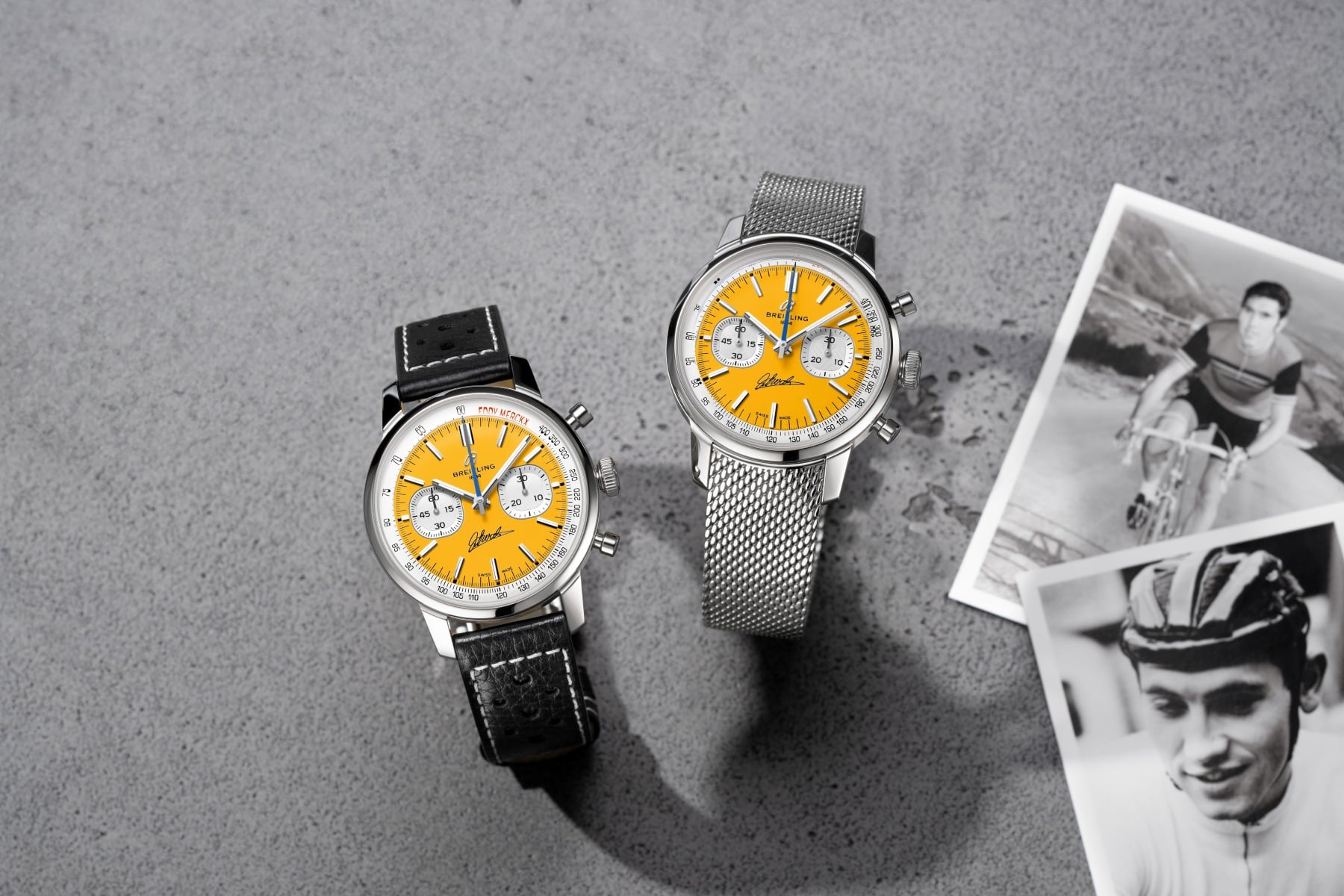
525 Victories, One Dial, and Cycling's Long Wait for a Wrist
Breitling's Eddy Merckx edition doesn't just reference a legend — it asks whether motorsport's younger sibling has finally earned its place in serious watch culture.
From the other desks.

800 Horsepower, One Ton of Doubt
Lamborghini built the most powerful SUV it's ever made. It's also slower than what it replaced.

ESPN Named Him. Then Unnamed Him. Nobody's Explaining the Gap.
A retraction without a reckoning is just a deleted link.

Hide My Email Has Been Showing Your Email
Apple's privacy flagship has a hole in it. They've known for over a year.