Twenty-Five Years of Being Right, Then Wrong
When dominance becomes inheritance, it stops being a reputation and starts being a warning label.
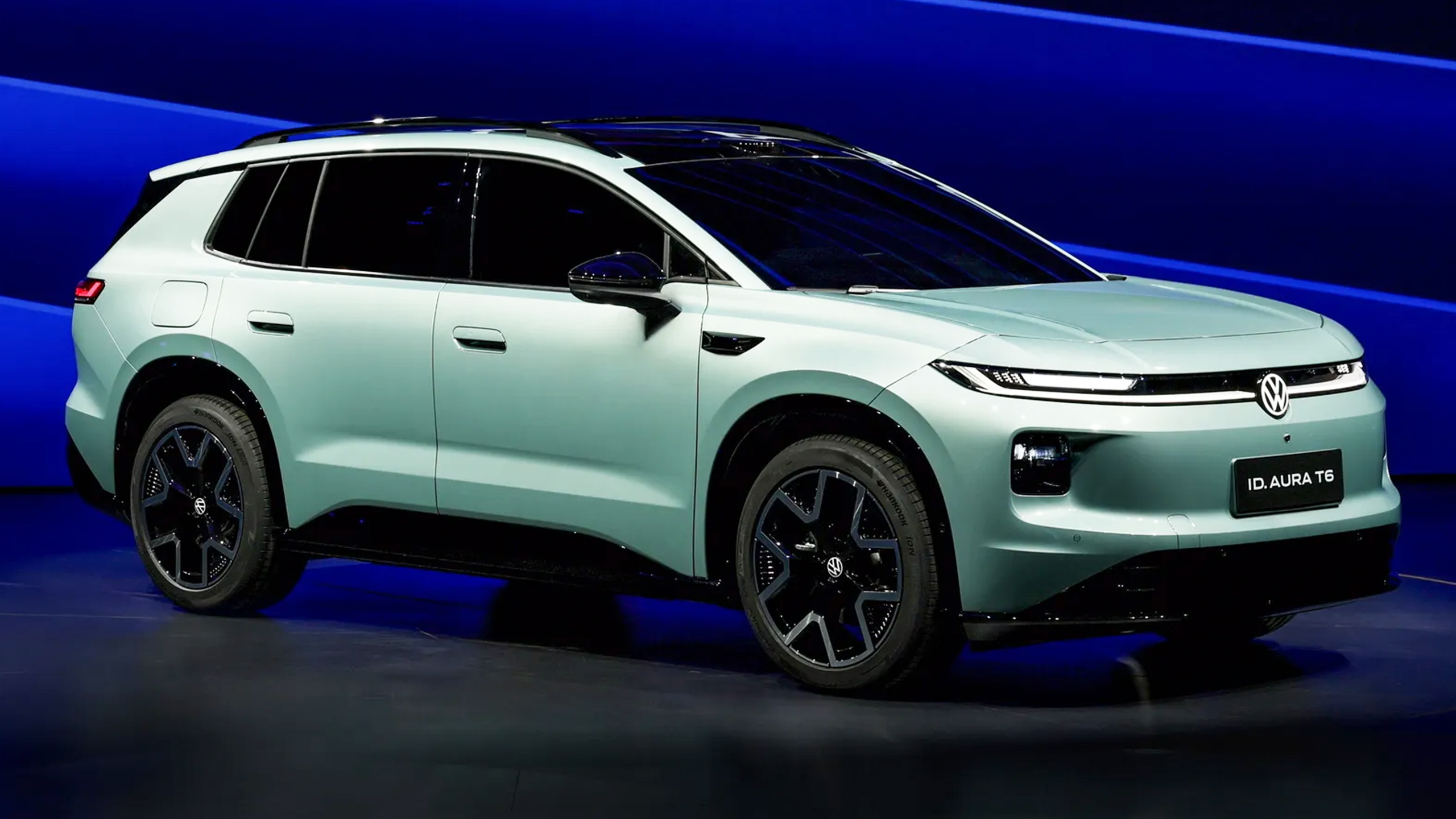
Photo · Carscoops
The Weight of a Crown
Picture a car that wins by being undeniable. Not fast, not beautiful, not particularly daring — just there, everywhere, year after year, the answer before anyone finished asking the question. For a quarter century, that car was a Volkswagen in China. The brand didn't just sell well; it organized the market around itself. It became the default setting, the factory preset, the thing your parents pointed at when they meant reliable and sensible and arrived.
That's the setup. The punchline is where it gets interesting.
A writer at Carscoops recently laid out the numbers and the context: Volkswagen, after twenty-five years of leading the Chinese market, has been displaced. BYD took the top spot. Then Geely moved ahead too. VW now sits third, watching from a position it has never occupied before — and the most revealing detail in the piece isn't the market share data. It's the cultural diagnosis. Young Chinese buyers, the story goes, are walking away because Volkswagen has become their parents' car.
Sit with that for a second. Not a parents' car. Their parents' car. The possessive does the damage.
What Institutions Miss About Time
There's a particular blindspot that afflicts any brand that wins for long enough. The winning stops being active and starts being ambient. You're not earning the position anymore — you're just occupying it, assuming the next generation will inherit your logic, accept your premises, understand intuitively why you were the answer. It's an institutional faith in continuity that ignores the most basic fact about young people: they don't want to complete the sentence their parents started.
Volkswagen built trust in China through consistency. That consistency calcified. What read as reliability to one generation started reading as inertia to the next. And the next generation had options that didn't exist before — domestic options, which changes the psychology entirely. Buying local isn't just pragmatic when it's BYD; it's a statement. It says something about who you think is winning now, not who won before.
The Carscoops piece is careful to note the competitive pressure VW faces from Chinese brands that have moved aggressively on both price and technology. That's the structural story. But the structural story is almost never the whole story. Markets shift for reasons that show up in spreadsheets only after they've already happened in culture. The spreadsheet said VW was dominant right up until it wasn't.
The Generational Handoff Nobody Plans For
I keep thinking about how this dynamic plays out across industries, not just cars. There's a version of this in fashion, in tech, in any category where loyalty compounds over decades. The brand that got your parents also got something else: associated, in your mind, with your parents. That association is neutral at first. Then, slowly, it becomes a liability. The thing that made it trustworthy — its history, its ubiquity, its track record — is exactly the thing that makes it feel inherited rather than chosen.
Choosing matters. Especially when you're young and the market is offering you things that feel like they were designed for you, not handed down to you. BYD and Geely aren't just competing on specs or price. They're competing on the feeling of picking something for yourself, something that belongs to your moment rather than your family's.
Volkswagen isn't standing still, and the Carscoops piece acknowledges that the company has been responding — new models, new strategies, the machinery of a large organization trying to pivot. But pivoting inside a legacy is hard. You can update the product. Updating the cultural meaning of the badge takes longer, and the market doesn't wait.
What the Third Position Means
Third isn't failure in most industries. In China's automotive market, it would be the envy of nearly every other foreign brand. But for VW, specifically, after what it built there over twenty-five years, third is a form of reckoning. It's the market telling you that what you were isn't sufficient collateral for what you want to be.
The writer at Carscoops framed this as a story about competition and market shift. That's accurate. But read from a slight angle, it's also a story about the expiration date on dominance — about how the very proof of your success can become the thing that limits you. The parents who chose VW made a good choice. Their kids just don't want to be reminded of it every time they open the door.
Keep reading cars.

800 Horsepower, One Ton of Doubt
Lamborghini built the most powerful SUV it's ever made. It's also slower than what it replaced.

£11,990 Draws a Line Under Every Excuse You Had Left
Dacia just made the cheapest new car in Britain electric — and that's not a footnote, it's a verdict.
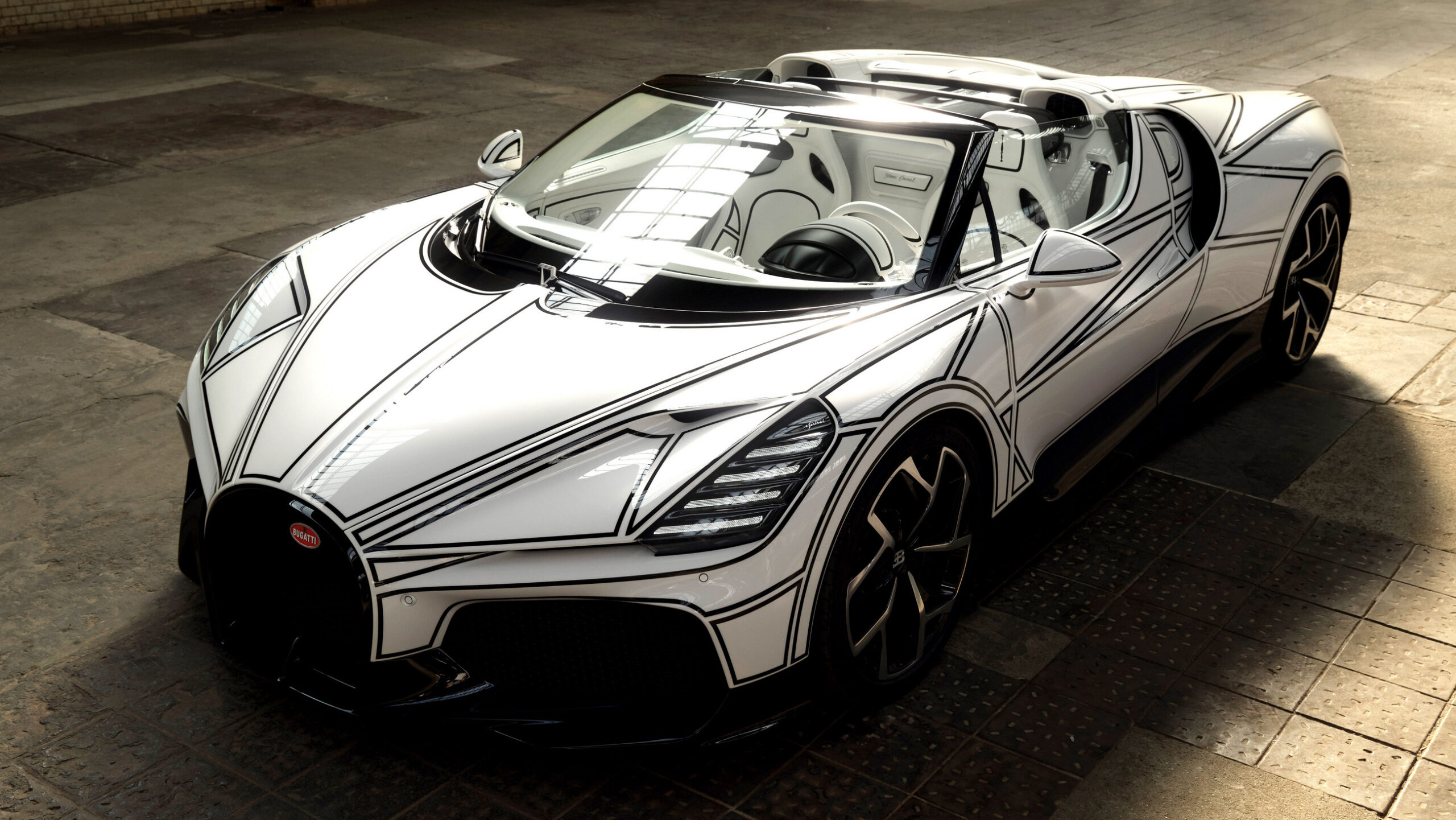
Blanc Éternel Hides Its Speed Behind a Gas Cap
Bugatti built a 261-mph roadster and made sure you'd notice the porcelain first.
From the other desks.

Gold Leaf on a Lacquer Dial, and the Weight of What That Costs
Awake's Frosted Leaf Royal Blue asks a question Vietnamese craft has never quite had to answer at this price.

ESPN Named Him. Then Unnamed Him. Nobody's Explaining the Gap.
A retraction without a reckoning is just a deleted link.

Hide My Email Has Been Showing Your Email
Apple's privacy flagship has a hole in it. They've known for over a year.