Under £22,000, Over 280 Miles, No Apology
The ID. Polo isn't trying to be exciting. It's trying to be right.
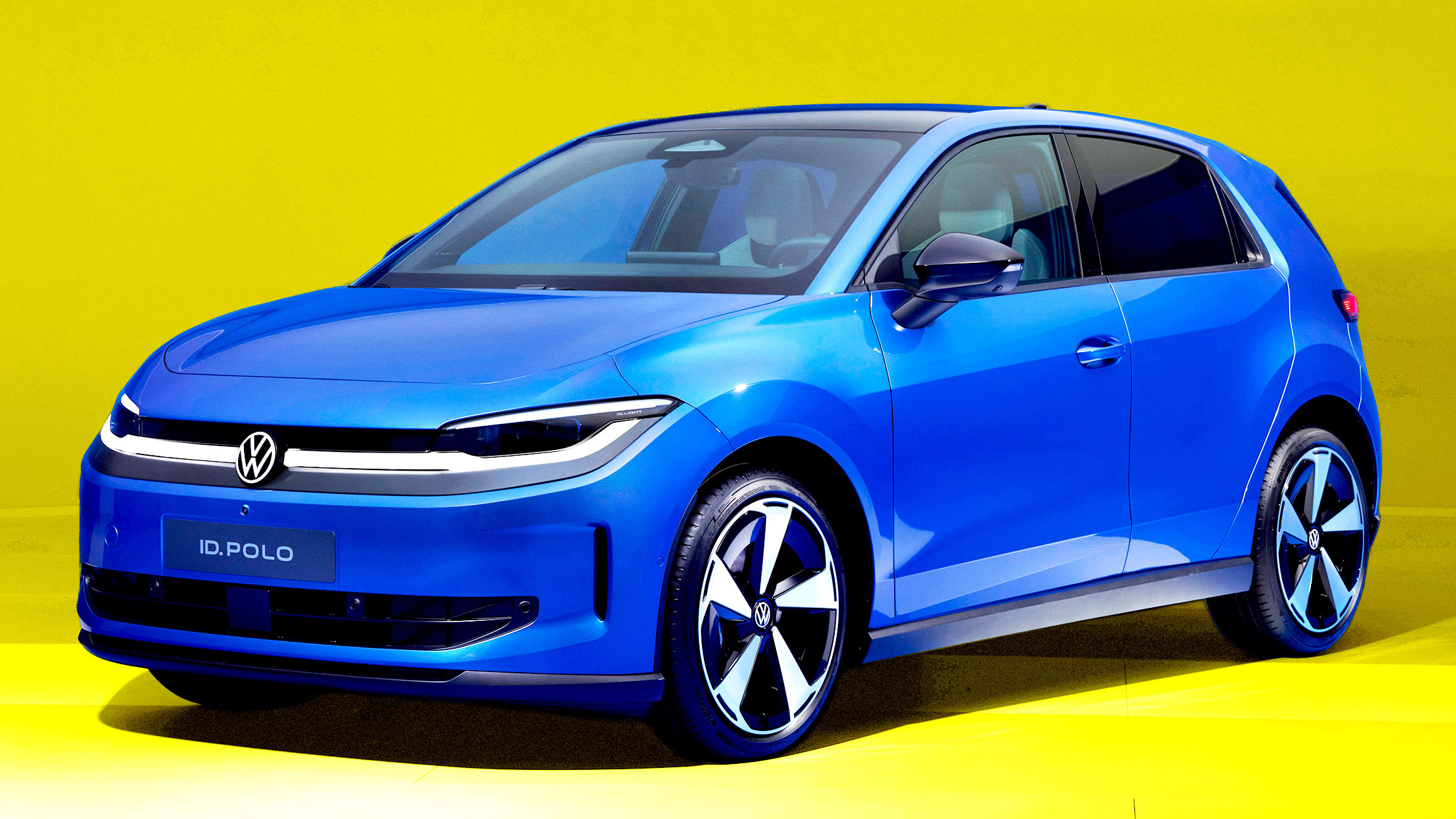
Photo · Carscoops
There's a version of this story where Volkswagen makes a big deal about making a small car. Where the press release reaches for words like revolutionary and the marketing team books a cliff-side reveal. That's not what happened. The ID. Polo arrived looking almost exactly like the ID 2all concept from 2023 — like VW drew it, showed it, and then simply built it. No pivot. No apology. No drama.
That restraint is the take.
The Car That Didn't Need to Shout
Start under £22,000. Put more than 280 miles of range in it. Give it physical controls, a 10-inch dashboard setup that doesn't ask you to swipe through menus to change the temperature, and — this is the detail that keeps showing up across coverage — massage seats. Not in a loaded spec. In a car that competes on price with the Renault 5 and the Fiat Grande Panda.
Motor1 called it the people's electric car. Autocar called it a return to traditional VW brand values. InsideEVs led with the range and the price together in the same breath, because that's the combination that matters. Carscoops noted the massage seats with what read like genuine surprise, which is fair — nobody expects that in this segment. What all of them were circling, without quite saying it plainly: this is the car the European EV market has been waiting for someone to build without hedging.
The design language is new — Andreas Mindt's first full expression of where VW's EVs are supposed to go — and it works precisely because it doesn't try to look futuristic. It looks like a Polo. Rounder, cleaner, more resolved than whatever the ID 3 was attempting in its first generation, but recognizably descended from something real. Autocar described it as bringing the brand's EVs much closer to their long-running petrol counterparts. That's not nostalgia. That's just good product sense. People already trusted the Polo. The ID. Polo borrows that trust and asks you to check the range.
What the Pricing Actually Means
Here's the uncomfortable thing sitting underneath all this coverage: Chinese automakers have been selling capable, well-equipped EVs at these prices for long enough that it stopped being news. European brands spent years insisting the math didn't work, that you couldn't get range and features and a low entry price without cutting something that mattered. The ID. Polo is VW saying, quietly, that the math does work — and that they've done it.
Sub-£22,000 in the UK. Motoring Research notes European sales are set to begin this month. Volkswagen's technology boss told Autocar this model is "just the beginning" of a larger reinvention of the brand's EV lineup. Which suggests they know exactly what signal they're sending: not that the ID. Polo is a standalone achievement, but that it's proof of concept for everything that comes after it.
The GTI version isn't here yet — Carscoops flagged that you'll have to wait a bit longer for that one. Which is fine. The GTI has always been a reward for patience. The base car is the argument, and the argument is simple: range you can actually use, a price that doesn't require a conversation about whether you can afford it, and an interior that treats physical buttons as a feature rather than a compromise.
There's something almost old-fashioned about all of it. A car that fits in a city, goes the distance, costs what a car should cost, and doesn't perform its own ambition at you. The ID. Polo isn't trying to be the future of mobility. It's trying to be the car in your driveway.
Sometimes that's harder to build than anything else.
Keep reading cars.

800 Horsepower, One Ton of Doubt
Lamborghini built the most powerful SUV it's ever made. It's also slower than what it replaced.

£11,990 Draws a Line Under Every Excuse You Had Left
Dacia just made the cheapest new car in Britain electric — and that's not a footnote, it's a verdict.
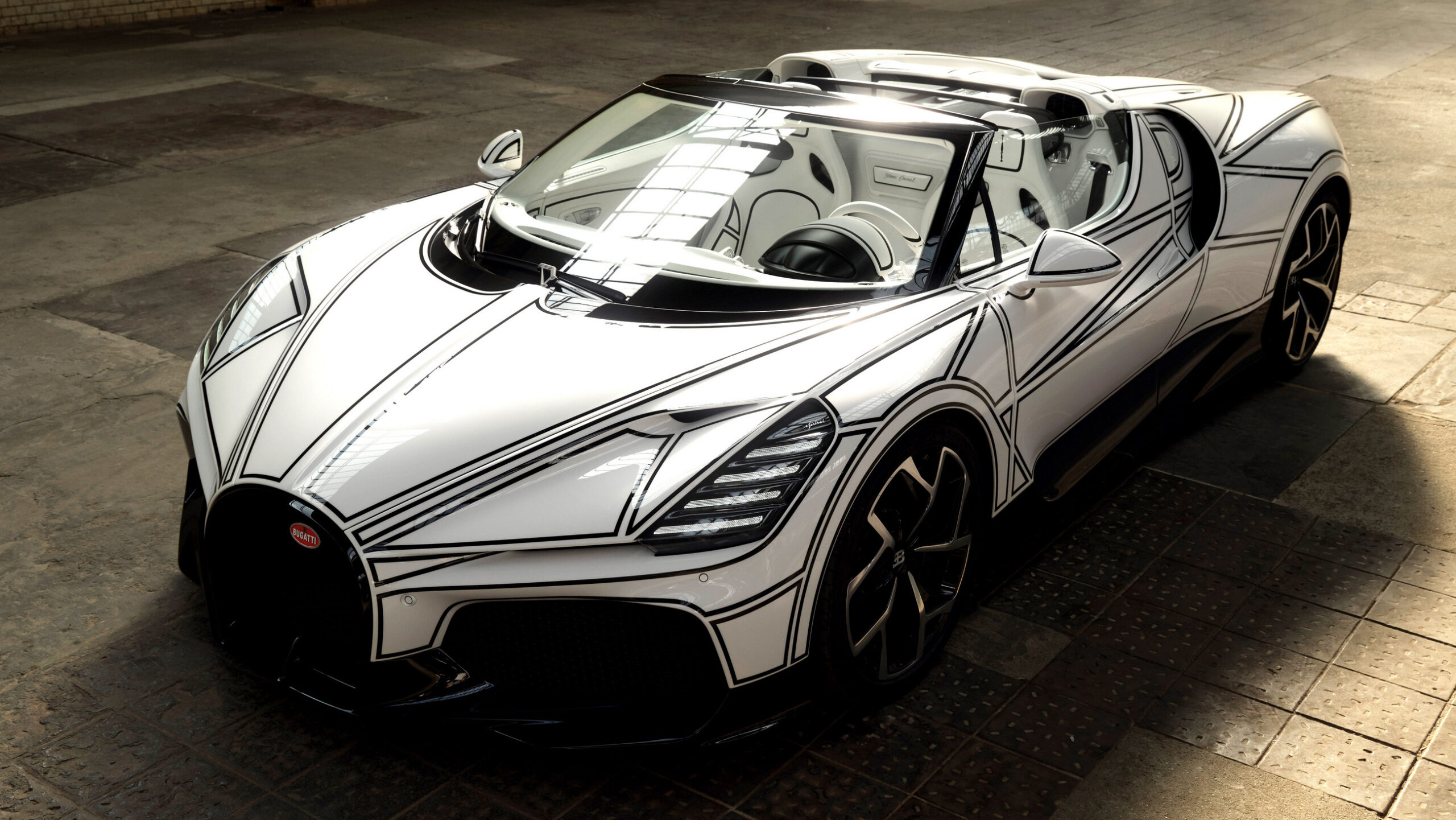
Blanc Éternel Hides Its Speed Behind a Gas Cap
Bugatti built a 261-mph roadster and made sure you'd notice the porcelain first.
From the other desks.

Gold Leaf on a Lacquer Dial, and the Weight of What That Costs
Awake's Frosted Leaf Royal Blue asks a question Vietnamese craft has never quite had to answer at this price.

ESPN Named Him. Then Unnamed Him. Nobody's Explaining the Gap.
A retraction without a reckoning is just a deleted link.

Hide My Email Has Been Showing Your Email
Apple's privacy flagship has a hole in it. They've known for over a year.