A Billion Miles, Both Hands in Your Lap, Eyes on the Road
GM just crossed a number that sounds like autonomy. The fine print tells a different story.
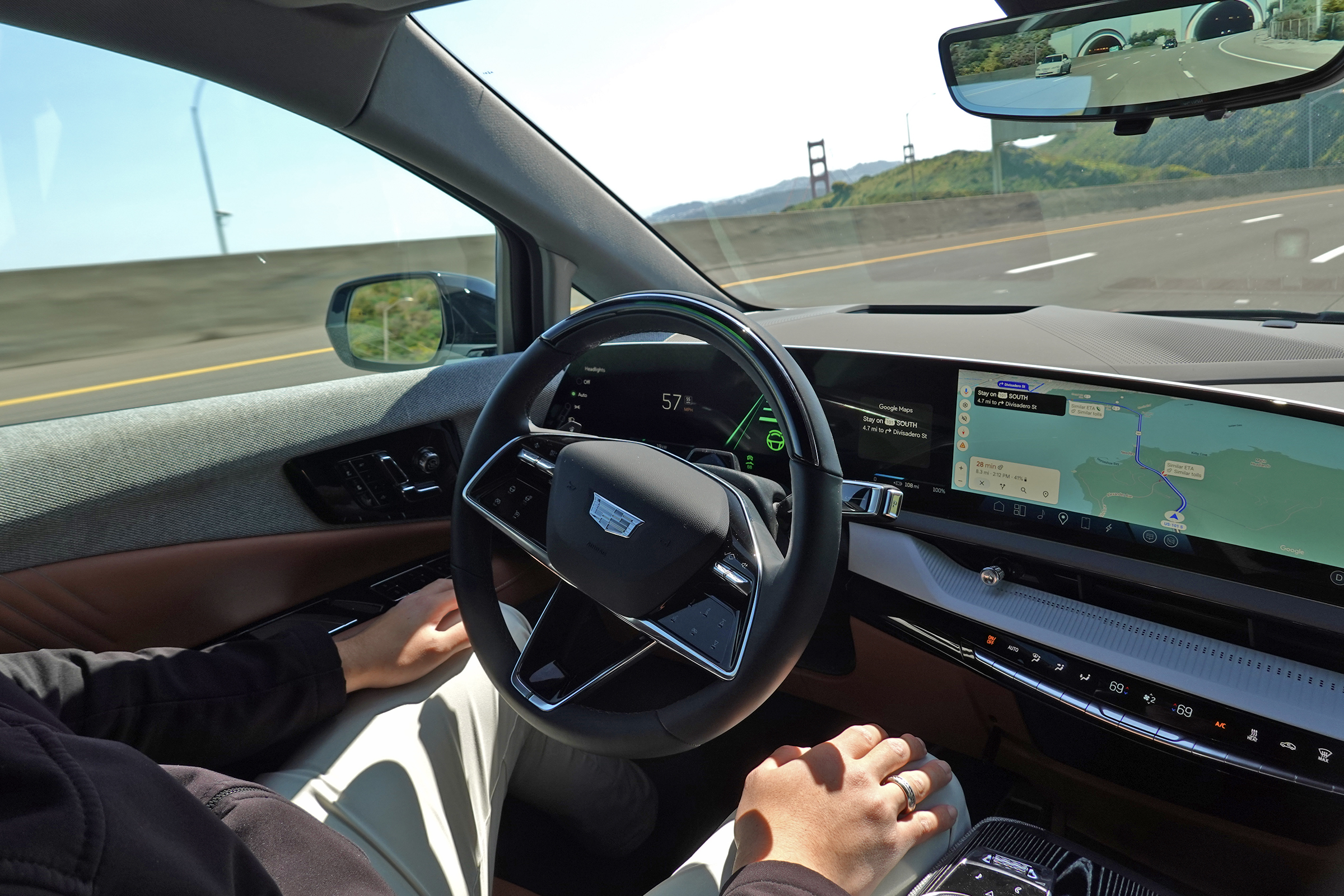
Photo · Ars Technica - All content
The odometer reads one billion. One billion miles driven hands-free in Super Cruise-equipped GM vehicles — a number so large that one outlet framed it as the distance to Jupiter and back, give or take seventeen miles at a time. It is, by any measure, a genuine milestone. It is also, by any honest reading of the technology, something considerably less than what the word "autonomous" implies.
Here is the thing nobody in the press release wants to say plainly: every one of those billion miles required a human being to keep their eyes on the road.
Eyes-On Is Doing a Lot of Work Here
Super Cruise is a geofenced highway system. It works on pre-mapped roads. It lets you lift your hands from the wheel. It does not let you look away — driver attention monitoring is baked into the architecture, and if your eyes wander, the system starts asking questions. Politely at first. Then less so.
That distinction matters more than the milestone does. "Hands-free" is a hardware achievement. "Eyes-off" is the actual frontier, the thing that would mean the car is genuinely doing the driving. GM knows this. CEO Mary Barra, per reporting from InsideEVs, has pointed toward 2028 as the target for eyes-off highway autonomy — the next generation of Super Cruise, currently in development, training on what the company describes as the equivalent of one hundred years of human driving data every single day.
One hundred years per day. That number is meant to impress, and it does. It also reveals something: the gap between where the system is and where it needs to be is still being measured in generations of accumulated human judgment, not incremental software patches.
Ars Technica noted that the billion-mile figure arrived in less than a decade, which is a legitimate pace by any automotive technology standard. Carscoops flagged that the next-gen system is still years out, arriving in 2028. InsideEVs reported that GM is on track to exceed 850,000 Super Cruise users by the end of this year. And separately, the company announced it would be pushing Google Gemini into four million vehicles — a move that says as much about where the real near-term competition lives (the cabin experience, the interface, the voice) as it does about the driving itself.
The Permission Structure of "Autonomous"
What the coverage, taken together, reveals is a permission structure that the industry has quietly agreed on. Eyes-on is the line. Keep the driver watching and you can call the system hands-free without technically overpromising. The liability stays with the human. The marketing gets to borrow the language of autonomy without delivering its substance.
This isn't cynicism — it's just the negotiated reality of where the technology actually sits. Super Cruise works. Users trust it enough to accumulate a billion miles on it. The attention monitoring that enforces eyes-on contact is probably, in aggregate, making those drives safer than a fatigued human operating alone. These are real achievements worth acknowledging.
But a billion miles driven while someone watched is not the same as a billion miles driven while someone slept, or read, or looked out the window at the landscape moving past. The dream of the self-driving car — the one that was supposed to arrive imminently for the better part of two decades — is still a 2028 promise, still contingent on training data, still measured against what humans do rather than what machines can do independently.
The billion-mile headline is real. So is the asterisk underneath it.
When the eyes finally come off, that will be the number worth counting.
Keep reading cars.

800 Horsepower, One Ton of Doubt
Lamborghini built the most powerful SUV it's ever made. It's also slower than what it replaced.

£11,990 Draws a Line Under Every Excuse You Had Left
Dacia just made the cheapest new car in Britain electric — and that's not a footnote, it's a verdict.
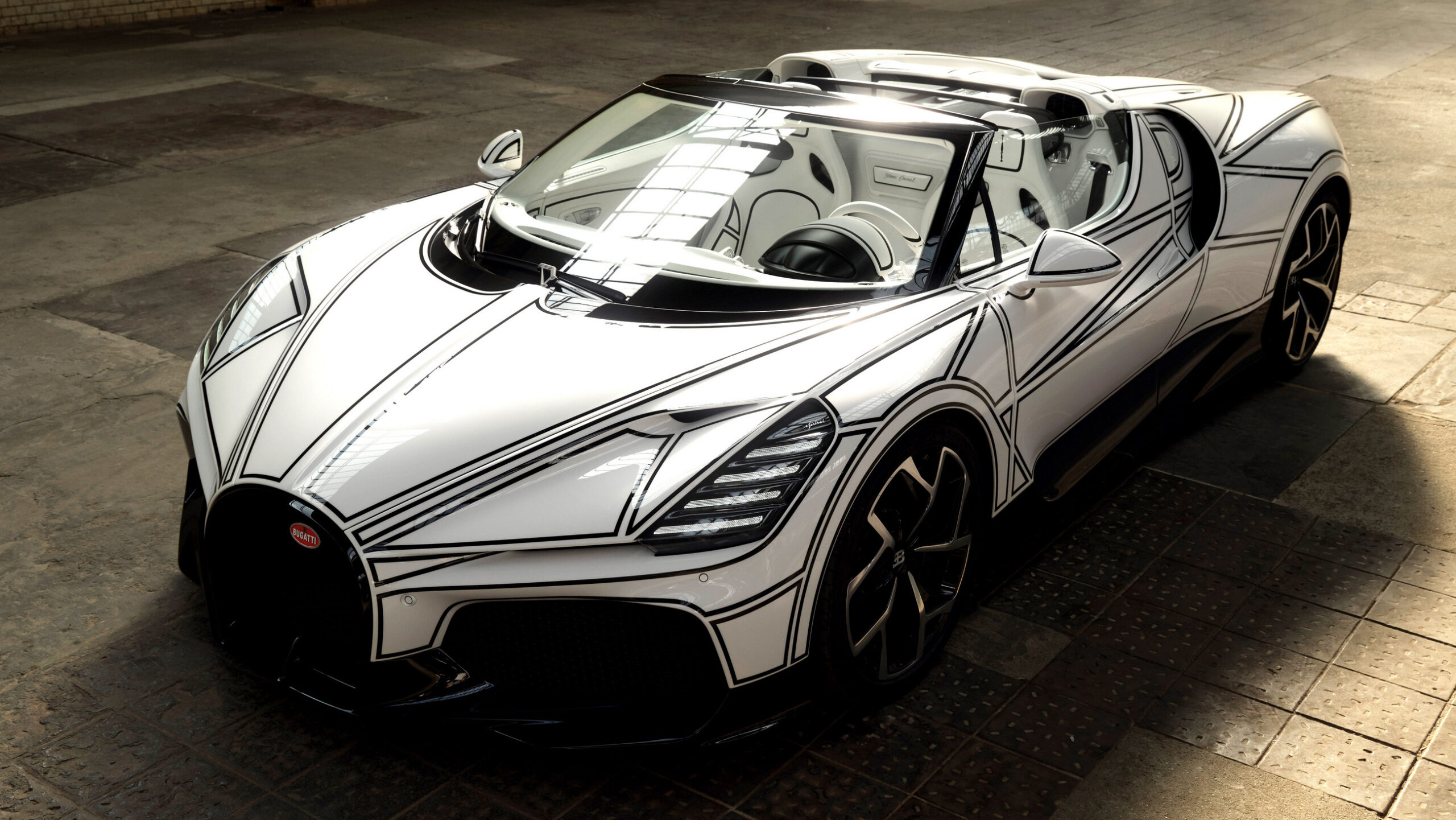
Blanc Éternel Hides Its Speed Behind a Gas Cap
Bugatti built a 261-mph roadster and made sure you'd notice the porcelain first.
From the other desks.

Gold Leaf on a Lacquer Dial, and the Weight of What That Costs
Awake's Frosted Leaf Royal Blue asks a question Vietnamese craft has never quite had to answer at this price.

ESPN Named Him. Then Unnamed Him. Nobody's Explaining the Gap.
A retraction without a reckoning is just a deleted link.

Hide My Email Has Been Showing Your Email
Apple's privacy flagship has a hole in it. They've known for over a year.