GM Wired $505 Million Into an Engine Nobody Was Supposed to Want Anymore
The St. Catharines investment isn't a bet on combustion — it's an admission that the timeline was always a story they told investors.
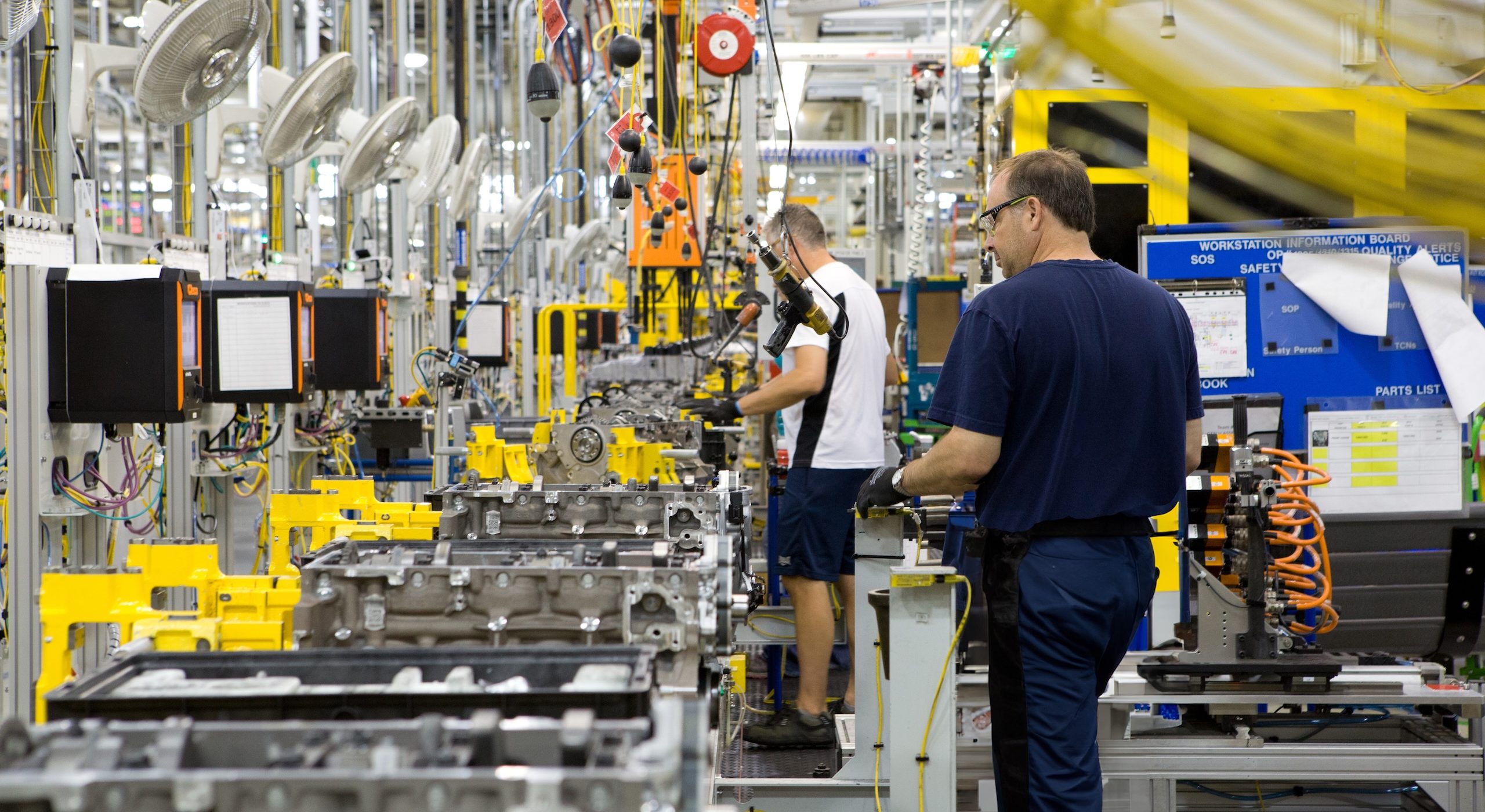
Photo · The Drive
There's a number worth sitting with. Five hundred and five million dollars — CDN$691 million — flowing into GM's St. Catharines plant in Ontario to build the next generation of V8 engines. Not an electric motor. Not a battery pack. A V8. For full-size trucks and SUVs. The kind of thing the industry spent the last five years telling you was on its way out.
Both The Drive and Driving covered the announcement, and neither source had to editorialize much. The math does it for them.
Half a Billion Dollars Doesn't Lie
You don't write a check that size for a technology you're retiring. You write it for something you expect to sell, in volume, for a long time. The engines coming out of St. Catharines are destined for GM's full-size trucks and SUVs — which, depending on the week, are still the best-selling vehicles in North America. One of those vehicles is the Silverado, which Driving notes is also built in Ontario. The geography matters: the engine and the truck sharing a province isn't logistics, it's commitment.
The companies that are genuinely transitioning don't invest in new combustion tooling. They run existing lines until the margins thin out and then they stop. What GM is doing here is different. This is a fresh build. Next-generation architecture. That implies engineering work that started years ago and will pay out years from now. You don't architect a next-gen V8 if you think you're phasing it out in a decade.
The Real Confession
The EV transition narrative always had a tension in it, and this investment names that tension plainly. The public language from every major automaker has been some variation of we are committed to an all-electric future — and the private language, expressed in capital allocation, has been considerably more complicated.
Some of that complexity is legitimate. Infrastructure isn't where it needs to be. Consumer adoption has moved slower than the projections. Trucks and SUVs pull trailers and cross long distances and carry things, and the buyers of those vehicles have made their priorities clear in the sales data. GM is responding to what people are actually purchasing, not what analysts projected they would purchase.
But there's something else happening too. The transition timeline was always partly a story — told to regulators, told to ESG-focused investors, told to a press corps that wanted to cover the future. The St. Catharines announcement doesn't contradict that story loudly. It just quietly builds the thing the story said was ending.
I find myself less cynical about this than I probably should be. The V8 in a three-quarter-ton truck hauling a fifth-wheel through the Rockies isn't nostalgia. It's a tool doing a job that nothing else currently does as well at the same price point. Pretending otherwise doesn't make it true. What GM is doing in Ontario is acknowledging reality — awkwardly, without a press release that says we were overclaiming — but acknowledging it nonetheless.
The plant gets the investment. The engine gets built. The trucks keep moving.
At some point, where the money actually goes is the only honest press release any company ever issues.
Keep reading cars.

800 Horsepower, One Ton of Doubt
Lamborghini built the most powerful SUV it's ever made. It's also slower than what it replaced.

£11,990 Draws a Line Under Every Excuse You Had Left
Dacia just made the cheapest new car in Britain electric — and that's not a footnote, it's a verdict.

Blanc Éternel Hides Its Speed Behind a Gas Cap
Bugatti built a 261-mph roadster and made sure you'd notice the porcelain first.
From the other desks.

Gold Leaf on a Lacquer Dial, and the Weight of What That Costs
Awake's Frosted Leaf Royal Blue asks a question Vietnamese craft has never quite had to answer at this price.

ESPN Named Him. Then Unnamed Him. Nobody's Explaining the Gap.
A retraction without a reckoning is just a deleted link.

Hide My Email Has Been Showing Your Email
Apple's privacy flagship has a hole in it. They've known for over a year.