Ridgeville, South Carolina Is Where the Tariff Wall Ends
Geely didn't blink at 100% tariffs. It just started reading real estate listings.
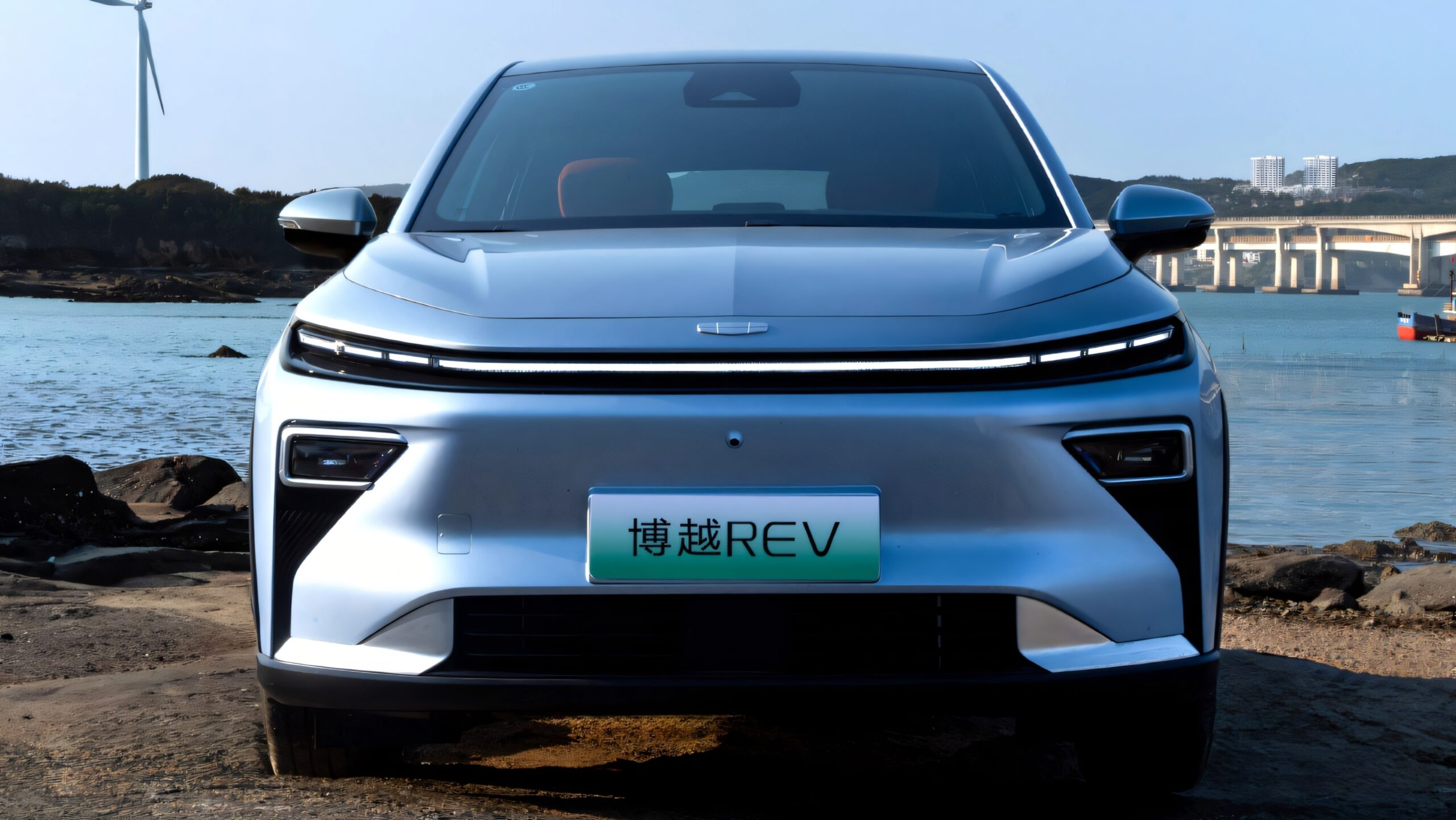
Photo · Carscoops
A writer at Carscoops has staked out a position worth sitting with: that a 100% tariff wall designed to keep Chinese EVs out of America may have done nothing more than hand Geely a roadmap for getting in a different way. The destination, per that piece, is Ridgeville, South Carolina — where Volvo already has a plant, and where Geely is reportedly eyeing production within two to three years.
Let that land for a second. The tariff didn't stop the invasion. It just changed the address.
The Wall as Invitation
There's a particular kind of policy hubris that mistakes friction for a barrier. Raise the cost of importing something by 100%, and you've done one of two things: you've killed the ambition, or you've redirected it. Geely clearly landed in the second camp. Manufacturing locally sidesteps the tariff entirely. And if you already own a brand with an existing American factory — which Geely does, through Volvo's Ridgeville plant — the path from foreign threat to domestic producer is shorter than any trade architect intended.
This is the part the Carscoops piece gets exactly right. The framing isn't that Geely is clever for spotting the loophole. It's that the loophole was always structural. A tariff wall protects against imports. It has no answer for investment.
The question worth asking is what "Made in America" actually means in this context. If Geely-owned Volvo builds vehicles in South Carolina, employing American workers, paying American taxes, those vehicles carry American VINs. The political optics of blocking them become substantially harder. The company understood this. The policy, apparently, did not.
What Volvo Carries Into the Room
Volvo isn't a Trojan horse here — it's a legitimate brand with genuine American presence. That's precisely why it matters. Geely doesn't need to introduce itself. Volvo already did that. The Swedish name, the safety reputation, the existing dealer network — those aren't disguises. They're infrastructure. And the Ridgeville plant isn't a hypothetical; it exists, it runs, it has produced vehicles for American roads.
What the Carscoops piece is really describing is a masterclass in patient capital. Geely acquired Volvo years ago. Built the plant. Established the brand. And now, when American trade policy has made direct Chinese EV imports economically untenable, there's already a domestic production option sitting in South Carolina, ready to be scaled. That's not opportunism. That's vision with a long timeline.
The broader implication — and this is where the piece points without fully arriving — is that this template is replicable. Any Chinese automaker with the appetite to acquire a Western brand and the patience to build local capacity can walk the same path. The tariff wall didn't deter capital. It tutored it.
Two to three years. That's the window Geely is reportedly working toward. In car industry terms, that's not far off — it's the distance between a concept and a production line, between a press release and a delivery. And when those first vehicles roll out of Ridgeville carrying whatever badge Geely chooses to put on them, the 100% tariff will be a footnote.
Walls keep out what arrives at the gate. They were never built for what plants roots inside them.
Keep reading cars.

800 Horsepower, One Ton of Doubt
Lamborghini built the most powerful SUV it's ever made. It's also slower than what it replaced.

£11,990 Draws a Line Under Every Excuse You Had Left
Dacia just made the cheapest new car in Britain electric — and that's not a footnote, it's a verdict.

Blanc Éternel Hides Its Speed Behind a Gas Cap
Bugatti built a 261-mph roadster and made sure you'd notice the porcelain first.
From the other desks.

Gold Leaf on a Lacquer Dial, and the Weight of What That Costs
Awake's Frosted Leaf Royal Blue asks a question Vietnamese craft has never quite had to answer at this price.

ESPN Named Him. Then Unnamed Him. Nobody's Explaining the Gap.
A retraction without a reckoning is just a deleted link.

Hide My Email Has Been Showing Your Email
Apple's privacy flagship has a hole in it. They've known for over a year.