Shrink the Revolution, Keep the Soul
Ulysse Nardin made the Freak smaller. The question that raises is older than any watch.
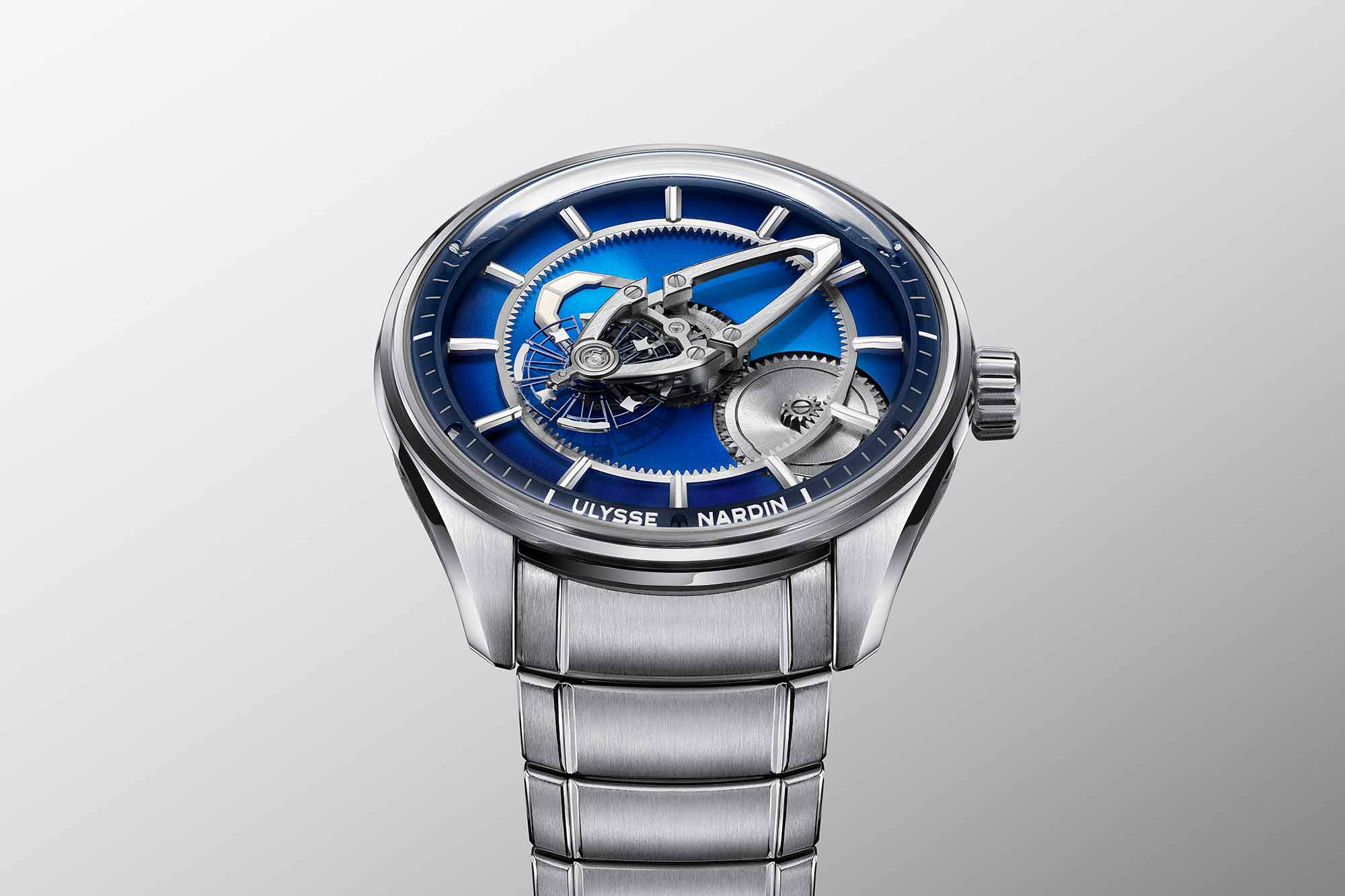
Photo · Worn & Wound
The Object on the Wrist
Picture a watch that has no dial. No hands. No crown. The time is told by the movement itself rotating inside the case — a carousel of components doing work that is, by any traditional measure, unnecessary. Not unnecessary in the way a tourbillon is unnecessary, where excess becomes its own argument. Unnecessary in the way that insists the object should make you feel something before it tells you anything.
That's what the original Freak was. A provocation in a case.
Now Ulysse Nardin has released a second generation of the Freak X — a watch that SJX Watches describes as proving "good things can come in small(er) packages" — and the coverage has landed with a particular texture. Measured enthusiasm. Respectful appreciation. A sense, just underneath the sentences, that something has been traded for something else, and everyone is still deciding whether the deal was fair.
I keep thinking about what it means when a radical idea learns to behave.
What Changed, and What That Means
The second-generation Freak X arrives in a 41mm steel case, down from its predecessor's dimensions. It carries an all-new micro-rotor calibre — a meaningful mechanical shift — and introduces an interchangeable strap system. Revolution Watch calls it "the most wearable Freak yet." Worn & Wound notes the broader phenomenon at play: taking a bold, complex design and making it simpler, more streamlined. They raise the honest question — whether doing so goes against the whole purpose of such a design — before acknowledging what's also true: that it's a way to bring in people who might not have been ready for the original.
Those two things are both correct, and that's exactly where the tension lives.
Making something wearable is not a small act. It requires a brand to look at what made its object singular — the confrontational case size, the absence of convention, the deliberate refusal to be approachable — and decide that some of that confrontation can be softened without losing the essential argument. That's a hard call to get right. Most brands get it wrong, and you can usually tell because the resulting object feels like a compromise rather than a decision.
The Freak X second generation, by most accounts across this coverage, reads more like a decision. The flying carousel architecture — the Freak's signature gesture, the movement rotating to indicate time — is still present. The mechanical DNA holds. What's changed is the threshold of entry, and that matters.
Originality and Its Gatekeeping
Here's what I think the coverage collectively circles without quite landing on: there has always been an implicit argument in the world of serious horology that difficulty is a form of integrity. That a watch which demands something of the wearer — demands that they accept a larger case, a stranger silhouette, a learning curve in how to read the time — is more honest than one that smooths all that away.
It's an argument that exists in fashion too. In architecture. In music. The idea that accessibility is a kind of dilution, and that the original, uncompromised version is the only true version. The collector who owned the first-generation Freak at its full expression might feel this. The person who couldn't quite commit to that watch, but finds themselves genuinely moved by what the Freak is trying to say, now has somewhere to stand.
Which group is the Freak for? The answer, increasingly, seems to be: both, and that might be okay.
SJX notes the all-new micro-rotor calibre as a genuine development — not a cost-reduction, not a shortcut, but an engineering commitment to making the movement work properly inside a smaller architecture. That detail matters. It means the shrinking wasn't cosmetic accommodation. It was mechanical problem-solving. The brand didn't just put the old idea in a smaller box. They rebuilt the idea for the new constraints.
That's a different thing entirely.
What Gets Worn Gets Remembered
There's a version of this story where making the Freak more wearable is a kind of defeat — the revolution filing down its own edges. But I'm not sure I believe that version.
Objects that never get worn don't get loved. They get collected, which is a different relationship — more distant, more conditional. A watch that lives in a box because it's too large, too strange, too much for a Tuesday is a watch that only ever makes its argument in photographs. The Freak has always had something worth saying. A 41mm steel case with an interchangeable strap says it to more wrists, more days, more moments where someone looks down and is reminded that the way we measure time is a choice, not a given.
That reminder — quiet now, smaller, fitted with a micro-rotor and a strap you can swap out — is still the same reminder.
Originality doesn't require permission to be practical. It just requires honesty about what it's keeping.
Keep reading fashion.

Gold Leaf on a Lacquer Dial, and the Weight of What That Costs
Awake's Frosted Leaf Royal Blue asks a question Vietnamese craft has never quite had to answer at this price.
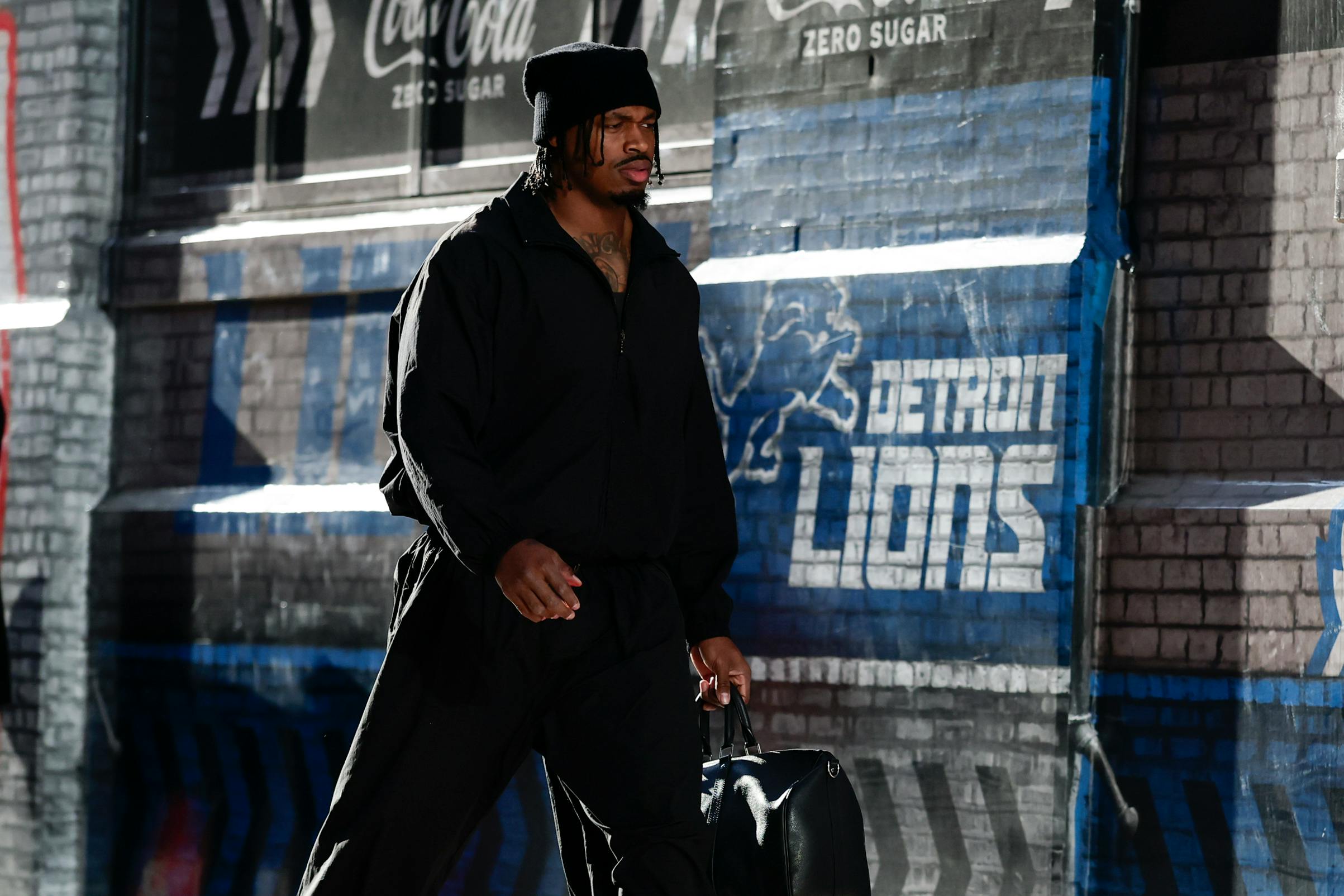
Kyle Smith Has a Job Title That Didn't Exist Before. That's the Whole Tell.
When the NFL hires a fashion editor, it's not about clothes — it's about who gets to decide what matters.
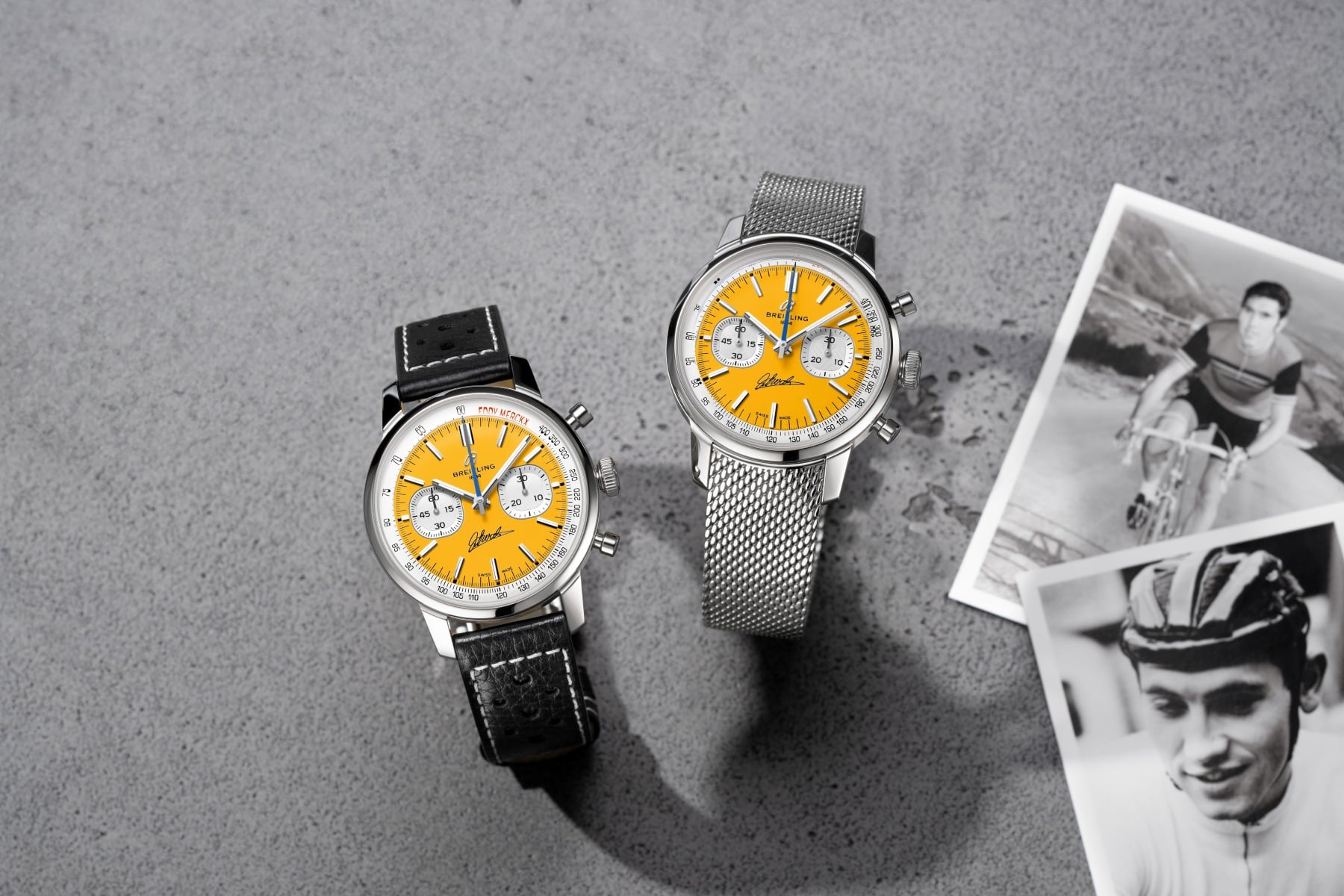
525 Victories, One Dial, and Cycling's Long Wait for a Wrist
Breitling's Eddy Merckx edition doesn't just reference a legend — it asks whether motorsport's younger sibling has finally earned its place in serious watch culture.
From the other desks.

800 Horsepower, One Ton of Doubt
Lamborghini built the most powerful SUV it's ever made. It's also slower than what it replaced.

ESPN Named Him. Then Unnamed Him. Nobody's Explaining the Gap.
A retraction without a reckoning is just a deleted link.

Hide My Email Has Been Showing Your Email
Apple's privacy flagship has a hole in it. They've known for over a year.