Six Years to Build a Watch Nobody Faked
The Barrelhand Monolith didn't borrow the language of space exploration. It submitted to the testing.
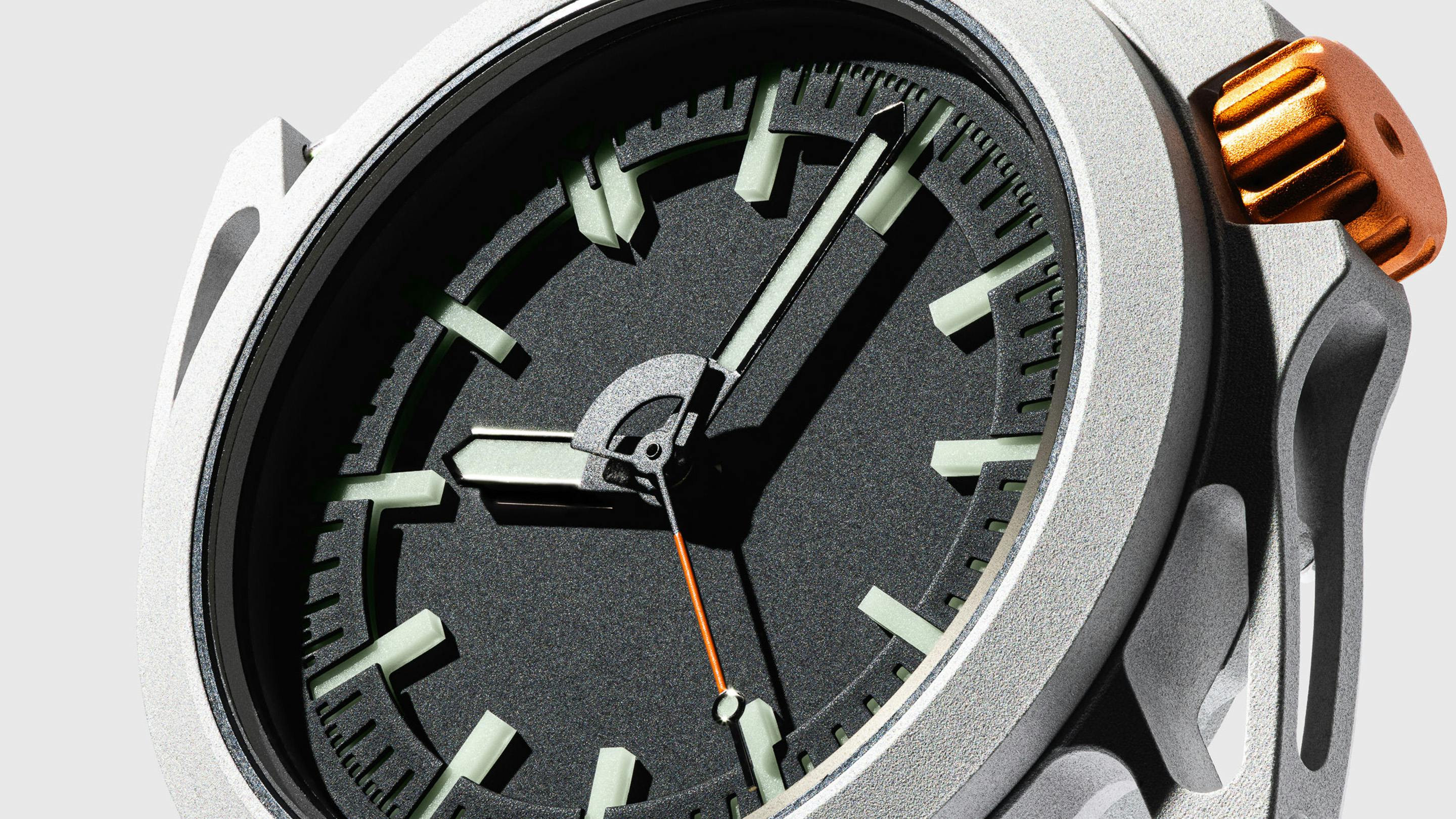
Photo · Hodinkee
There's a version of the space watch that has existed for decades — the one that borrows its vocabulary from mission control without ever getting close to a launchpad. Dials the color of deep orbit. Case shapes that suggest re-entry without surviving it. The aesthetic of function, carefully divorced from function itself. The Barrelhand Monolith is something else entirely, and the coverage around its release is worth reading not for what it says about the watch, but for what it says about how rarely a piece like this actually exists.
Hodinkee called it a tool watch built for the next space age. Fratello positioned it as the kind of object that makes conventional tool watches look almost quaint. SJX framed it as a sophomore effort from San Francisco-based mechanical engineer Karel Bachand — someone who first teased this watch more than two years before its official debut, suggesting a development arc that wasn't driven by a marketing window. Six years in total, by every account. That number keeps appearing across all three sources because it's the one that matters most.
What Six Years Actually Means
Six years is not a development timeline that accommodates shortcuts. When Fratello describes aerospace engineering, additive manufacturing, and advanced materials science as the tools used to build this watch, that's not a press release being parroted — it's a description of how you arrive at an instrument rather than an object. The distinction is sharper than it sounds. Instruments get tested. Objects get photographed.
SJX's framing is the most telling of the three. The writer admits to approaching astronaut-oriented watches with skepticism — which is the correct posture, because the category has spent years rewarding skepticism. What shifts in their coverage of the Monolith is the weight given to the testing. This watch was designed to accompany the next generation of manned spaceflight missions, and the rigor required for that designation is not cosmetic. You cannot borrow it with a titanium case and a NASA-adjacent color palette.
Bachand's background as a mechanical engineer shows up in how all three outlets describe the object — not as a brand voice producing a watch, but as someone who built a thing to solve a real set of problems. That's a different relationship to the object. It's visible in the result.
What the Coverage Gets Right, Collectively
The consensus across Hodinkee, Fratello, and SJX isn't just that the Monolith is impressive. It's that the Monolith is rare in a specific way — that it belongs to a category of tool watches where the tool part is genuine. Most coverage of watches in this space (the pun is unavoidable and I'll leave it there) treats mission-readiness as a story to tell. These three outlets are treating it as a credential to verify. That's a meaningful shift in editorial stance, and it reflects something real about the object in question.
There's a fashion dimension here that none of the three sources explores directly, but it sits just beneath the surface of all three. Tool watches have been a dominant aesthetic in menswear for years now — the beat-up Calatrava, the vintage Submariner, the anything-that-looks-like-it-was-used. The appeal has always been the suggestion of a life lived rather than a life performed. The Monolith is the logical end of that instinct taken seriously: not a watch that looks like it could go to space, but one that was built to go there.
When something is made with that level of commitment, the aesthetic follows the engineering rather than the other way around. That's the rarest thing in this business — and the hardest to fake.
Keep reading fashion.

Gold Leaf on a Lacquer Dial, and the Weight of What That Costs
Awake's Frosted Leaf Royal Blue asks a question Vietnamese craft has never quite had to answer at this price.
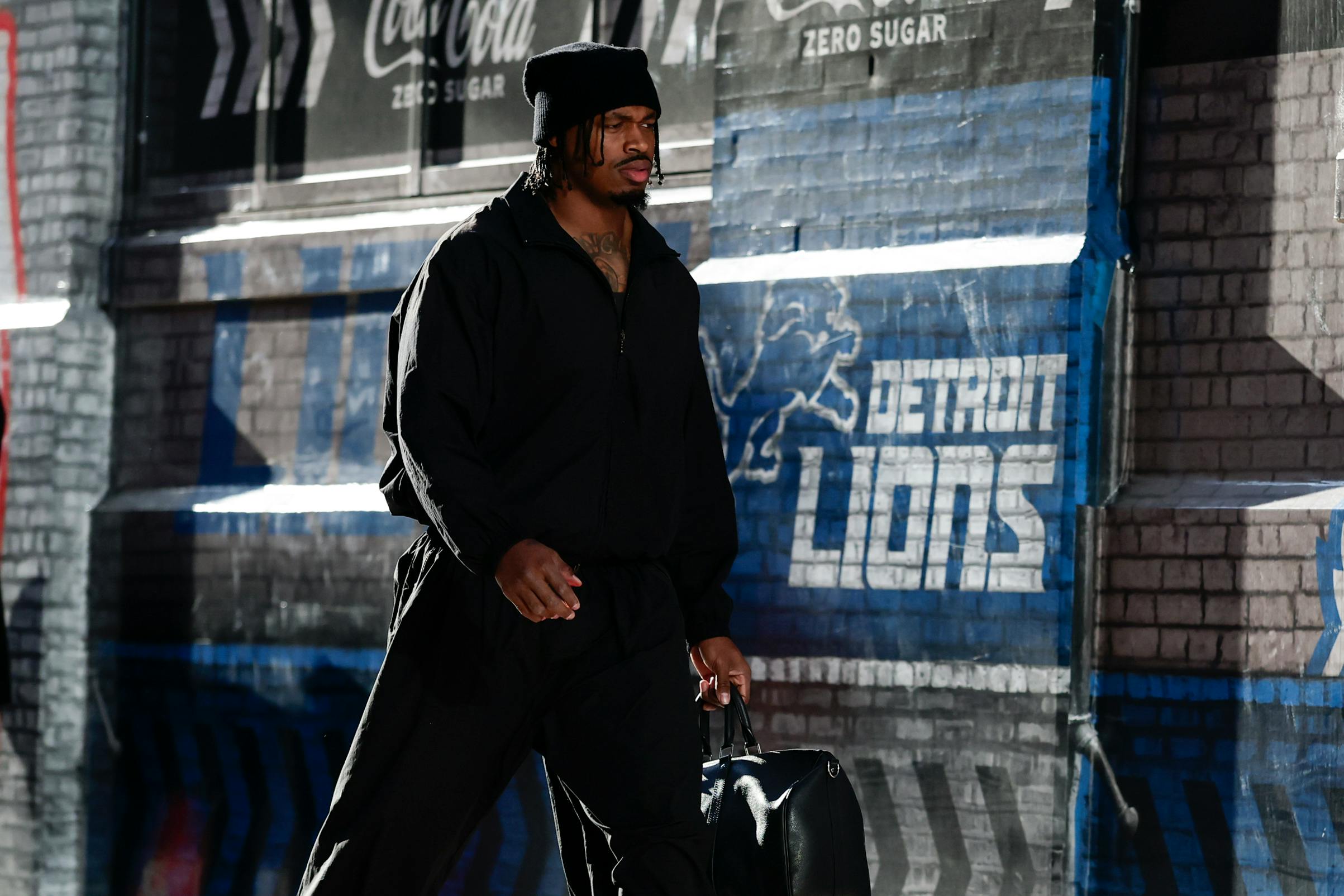
Kyle Smith Has a Job Title That Didn't Exist Before. That's the Whole Tell.
When the NFL hires a fashion editor, it's not about clothes — it's about who gets to decide what matters.
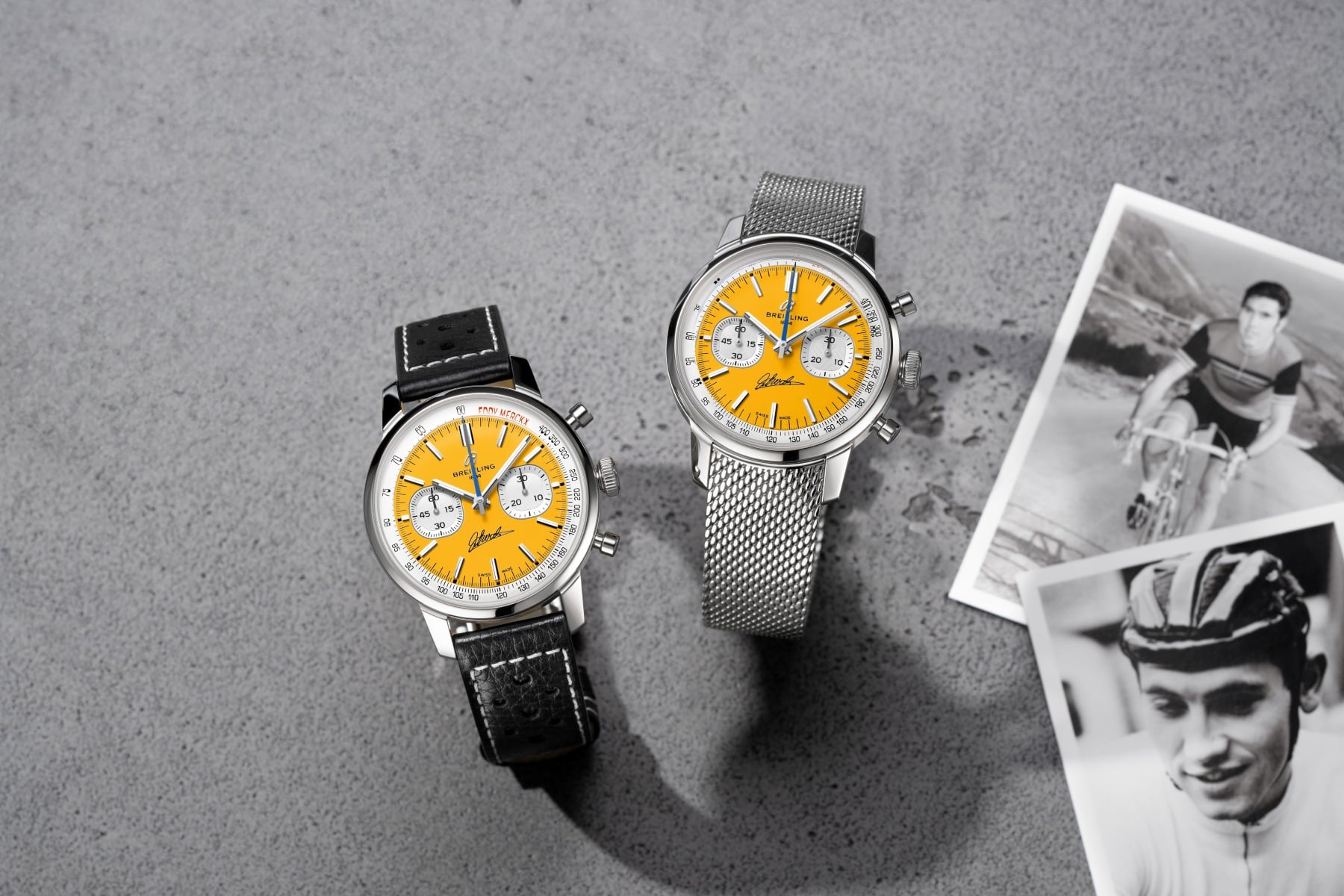
525 Victories, One Dial, and Cycling's Long Wait for a Wrist
Breitling's Eddy Merckx edition doesn't just reference a legend — it asks whether motorsport's younger sibling has finally earned its place in serious watch culture.
From the other desks.

800 Horsepower, One Ton of Doubt
Lamborghini built the most powerful SUV it's ever made. It's also slower than what it replaced.

ESPN Named Him. Then Unnamed Him. Nobody's Explaining the Gap.
A retraction without a reckoning is just a deleted link.

Hide My Email Has Been Showing Your Email
Apple's privacy flagship has a hole in it. They've known for over a year.