The Art of Making Difficult Look Inevitable
A Hypebeast piece on Tyshawn Jones' ollie accidentally wrote the best definition of taste I've read this year.
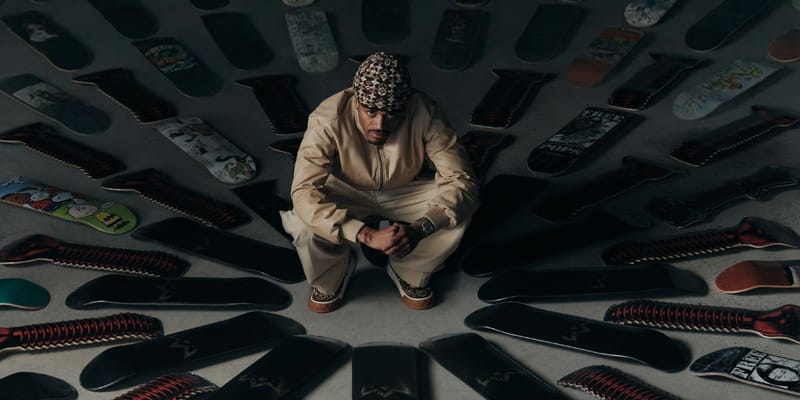
Photo · Hypebeast
The Thing Nobody Teaches You
There's a version of skill that announces itself. You can see the effort in it — the tension before, the relief after, the performance of difficulty that lets everyone in the room know what just happened was hard. And then there's the other kind. The kind where the difficulty disappears entirely, where the thing just happens, and you're left wondering if you imagined the gap between where something was and where it ended up.
Hypebeast just published a piece cataloguing Tyshawn Jones' ten best ollies ever. On its face, it's a skate document — a ranked appreciation of a technical feat from one of the more compelling figures in the sport. But the piece keeps circling something larger than skateboarding, something the writer seems to sense without quite naming. Because what they're actually describing, across every entry in that list, is a philosophy. And it's one that applies well beyond a board.
The piece makes a point of distinguishing what makes Jones' ollie special. It isn't just height, though the height is apparently considerable. It's the ease. The way he does things correctly — the way they're supposed to be done — while making them look like they cost him nothing. A Midtown Manhattan subway entrance turned into a spot. A loading dock cleared mid-line like it was a crack in the pavement. And somewhere in there, a Ferrari in a parking lot that apparently entered the conversation.
I keep coming back to that framing. The way they're supposed to be done. Because that's not a casual observation. That's the whole argument.
Correctness as Its Own Aesthetic
There's a long tradition in certain corners of fashion — and I mean the quiet corners, not the loud ones — of treating correctness as the highest form of expression. Not correctness in the sense of following rules for their own sake, but correctness in the sense of understanding why something is done a particular way and then doing it exactly that way, so naturally that the understanding becomes invisible.
A well-knotted tie. A jacket shoulder that sits without a wrinkle because it was built for the body wearing it, not for a mannequin approximating one. The right shoe for the occasion, worn in, not worn out. These things don't call attention to themselves. That's the point. They signal fluency rather than effort, and fluency — real fluency, not the performed kind — is genuinely rare.
What Hypebeast is documenting in Jones, even if they're framing it in the language of skate culture, is exactly this. The ollie is a fundamental. Every skater learns it. Most skaters can do it. But the way Jones does it — with what the piece calls precision and nonchalance in the same breath — is the difference between knowing the words of a language and actually thinking in it.
The nonchalance matters. This is the part that's hardest to fake and easiest to misunderstand. People confuse nonchalance with not caring. But real nonchalance is the product of caring so deeply, for so long, that the care becomes structural. It's baked in. It doesn't need to show up on the surface anymore because it lives in the bones of the thing.
What the Ollie Knows
I've watched people with real taste operate in rooms, and the tell is always the same: they never seem to be trying. Not because they're indifferent, but because their effort happened somewhere else, earlier, quietly, when no one was watching. By the time the moment arrives, there's nothing left to perform.
This is what makes the Hypebeast piece worth sitting with, even if you've never touched a skateboard. The writer isn't just documenting a trick. They're documenting a disposition. And that disposition — do it right, make it look like you stumbled into it — is the entire philosophy of taste compressed into a single physical act.
The piece references the idea that Jones turned ordinary urban infrastructure into something extraordinary, not by forcing it, but by simply seeing it differently and then executing on that vision with complete authority. A subway entrance. A loading dock. A parking lot. These aren't destinations. They're incidental. The point was never the location — it was the quality of attention brought to it.
That's the transfer. That's what this piece is actually about, underneath the clips and the rankings and the skate-world context. It's about the relationship between attention and outcome. Between doing something correctly and making correctness feel like freedom rather than constraint.
The Gap Nobody Talks About
Most people learn the visible parts of a skill. The shape of the thing. The surface behavior. They get good enough that the execution looks intentional, and they stop there — because stopping there is comfortable, and because the next level requires something harder than practice. It requires the kind of internalization that changes how you see, not just what you do.
Jones apparently cleared that gap a long time ago. What Hypebeast is documenting is the aftermath — a skater operating on the other side of mastery, where the ollie isn't something he does so much as something he is.
I think about the things I own that feel that way. Not many. The ones that do share something with what that piece describes: they were chosen correctly, for the right reasons, and they've settled into my life so completely that I've stopped noticing them — which means they're doing their job perfectly.
That's the goal. Not to be noticed. To be right.
And if it happens to look effortless — well, that's just what right looks like from the outside.
Keep reading fashion.

Gold Leaf on a Lacquer Dial, and the Weight of What That Costs
Awake's Frosted Leaf Royal Blue asks a question Vietnamese craft has never quite had to answer at this price.
Kyle Smith Has a Job Title That Didn't Exist Before. That's the Whole Tell.
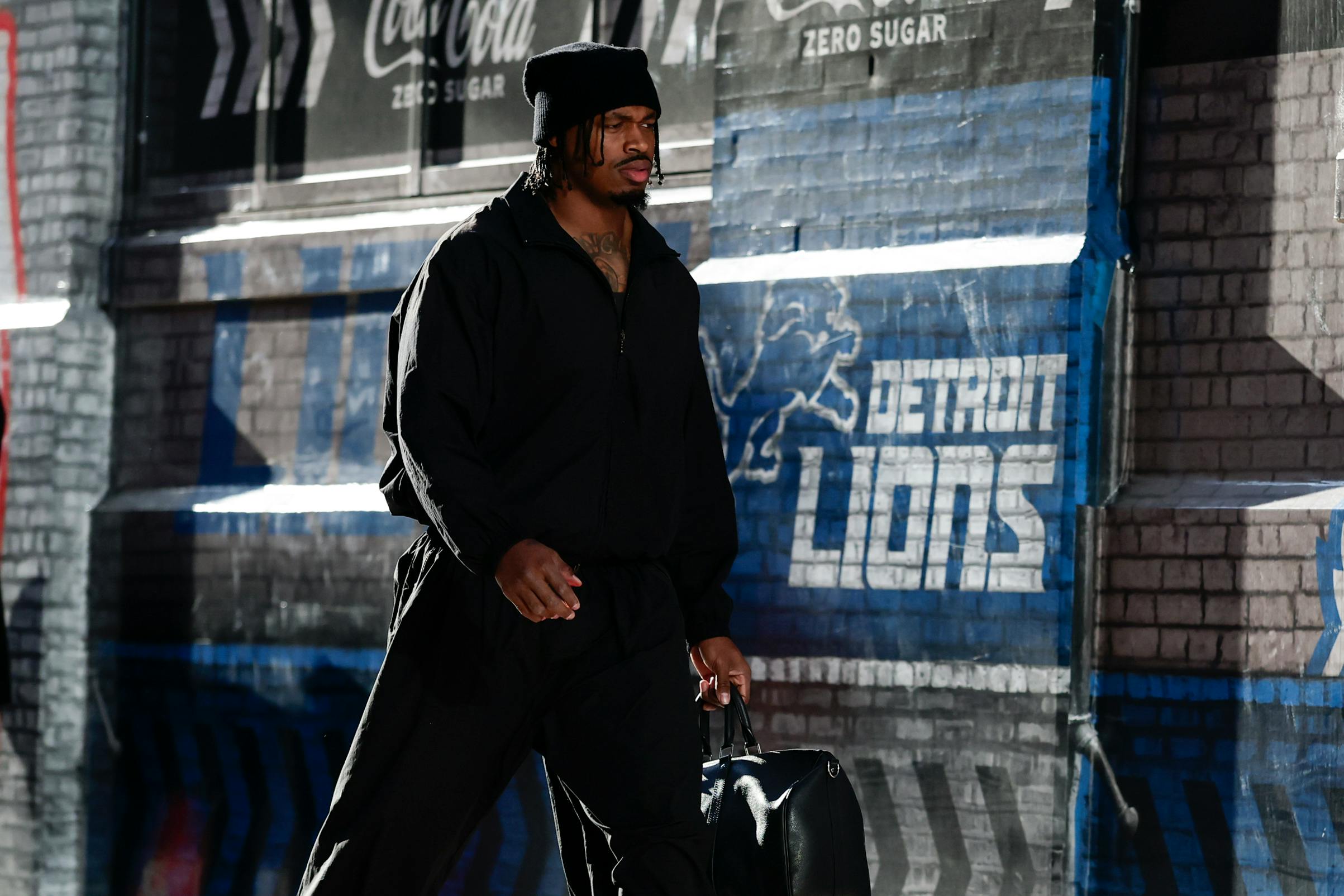
When the NFL hires a fashion editor, it's not about clothes — it's about who gets to decide what matters.
525 Victories, One Dial, and Cycling's Long Wait for a Wrist
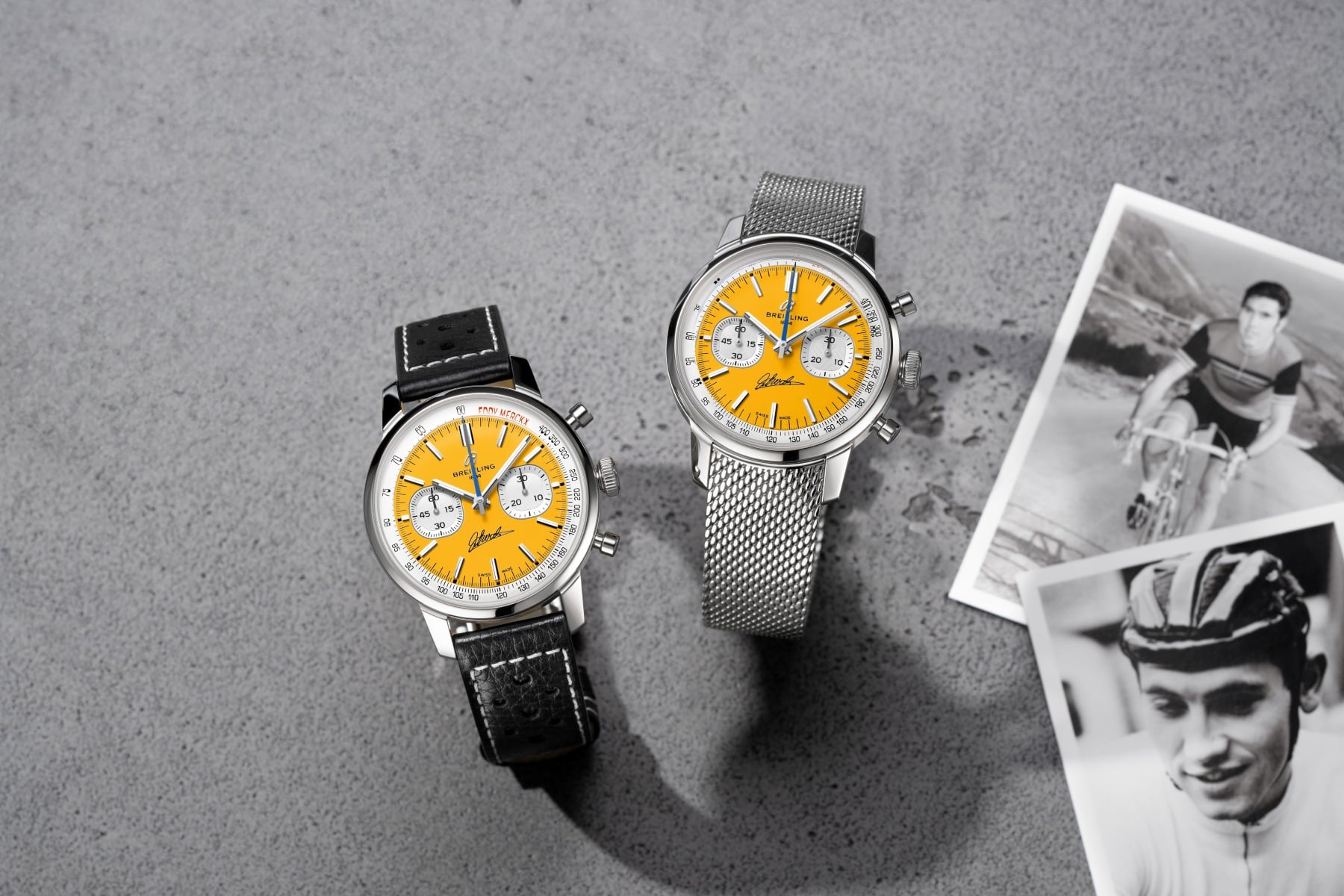
Breitling's Eddy Merckx edition doesn't just reference a legend — it asks whether motorsport's younger sibling has finally earned its place in serious watch culture.
From the other desks.

800 Horsepower, One Ton of Doubt
Lamborghini built the most powerful SUV it's ever made. It's also slower than what it replaced.

ESPN Named Him. Then Unnamed Him. Nobody's Explaining the Gap.
A retraction without a reckoning is just a deleted link.

Hide My Email Has Been Showing Your Email
Apple's privacy flagship has a hole in it. They've known for over a year.