The Coat That Carries Your Feelings Now
Haider Ackermann wants Canada Goose to be emotional armor. The more interesting question is why outerwear keeps asking for that job.
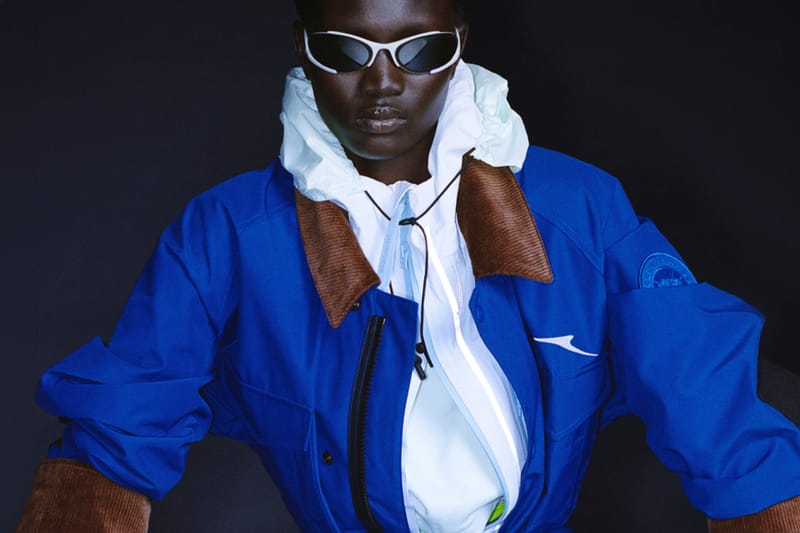
Photo · Hypebeast
Outerwear has a philosophy problem.
Not a design problem. Not a materials problem. A philosophy problem — the persistent, industry-wide need to explain that a jacket is actually something more. A statement. A stance. A quiet dialogue between protection and freedom.
That last phrase belongs to Haider Ackermann, describing his SS26 capsule for Canada Goose to Hypebeast. The collection is built around lightness — featherweight construction, a second-skin silhouette, the deliberate shedding of bulk. The reported concept frames the whole thing as a response to the heaviness of the current moment. Anxious world. Light coat. You see the logic.
I don't doubt Ackermann means it. He's one of the few designers who earns the right to talk about feeling because his clothes have always looked like they came from somewhere real. But the framing is worth sitting with, because it's not just him doing this.
The Weight Metaphor Is Everywhere
Every season, somewhere in the outerwear conversation, a brand reaches for existential weight to explain literal lightness. The jacket isn't just insulated — it's freeing. The shell isn't just waterproof — it's armor against a turbulent world. The puffer isn't just warm — it's a second skin that lets you breathe and move and be present.
The language has become its own weather system. You can set your calendar by it.
What's interesting about the Ackermann-Canada Goose version is how cleanly it exposes the tension at the center of all of it. Canada Goose built its identity on maximum protection — the parka as fortress, the brand as proof you could survive anything. That's a real and specific promise. Ackermann is now inverting it. Same brand, opposite psychology. The coat that once said nothing gets through now says everything can reach you, and that's fine.
That's a genuine creative pivot. It's also a significant rebrand of what the product is for.
What the Pivot Reveals
The shift makes sense commercially. The market for $1,500 parkas built around survival credibility has a ceiling. The market for considered, emotionally resonant warm-weather pieces — things that photograph well in April, that feel intentional rather than defensive — is where the real growth conversation is happening.
Ackermann is smart enough to thread that needle without making it look like a business decision. The campaign imagery, the language of quiet dialogue, the emphasis on presence over noise — it all reads as conviction. Maybe it is.
But the philosophical framing does something else too. It creates distance from the price tag. If the coat is emotional infrastructure for anxious times, then the cost is almost beside the point — you're not buying outerwear, you're buying a relationship with the world. That's a much easier sell than this is a very good jacket that costs a great deal of money.
I'm not calling it cynical. I'm saying the mechanics are visible if you look.
Ackermann's actual design instincts are worth trusting. His tenure at Berluti, his own label's run — he knows how to make something feel considered without making it feel labored. If the SS26 capsule delivers on the lightness it's promising, that's legitimately interesting work from a collaboration that could easily have been inert.
The clothes might be exactly what the concept claims. That's the thing about good marketing language — sometimes it's just true.
But the next time a brand tells you their jacket responds to the heaviness of modern life, notice how often that's the season they went lighter on fill weight.
Keep reading fashion.

Gold Leaf on a Lacquer Dial, and the Weight of What That Costs
Awake's Frosted Leaf Royal Blue asks a question Vietnamese craft has never quite had to answer at this price.
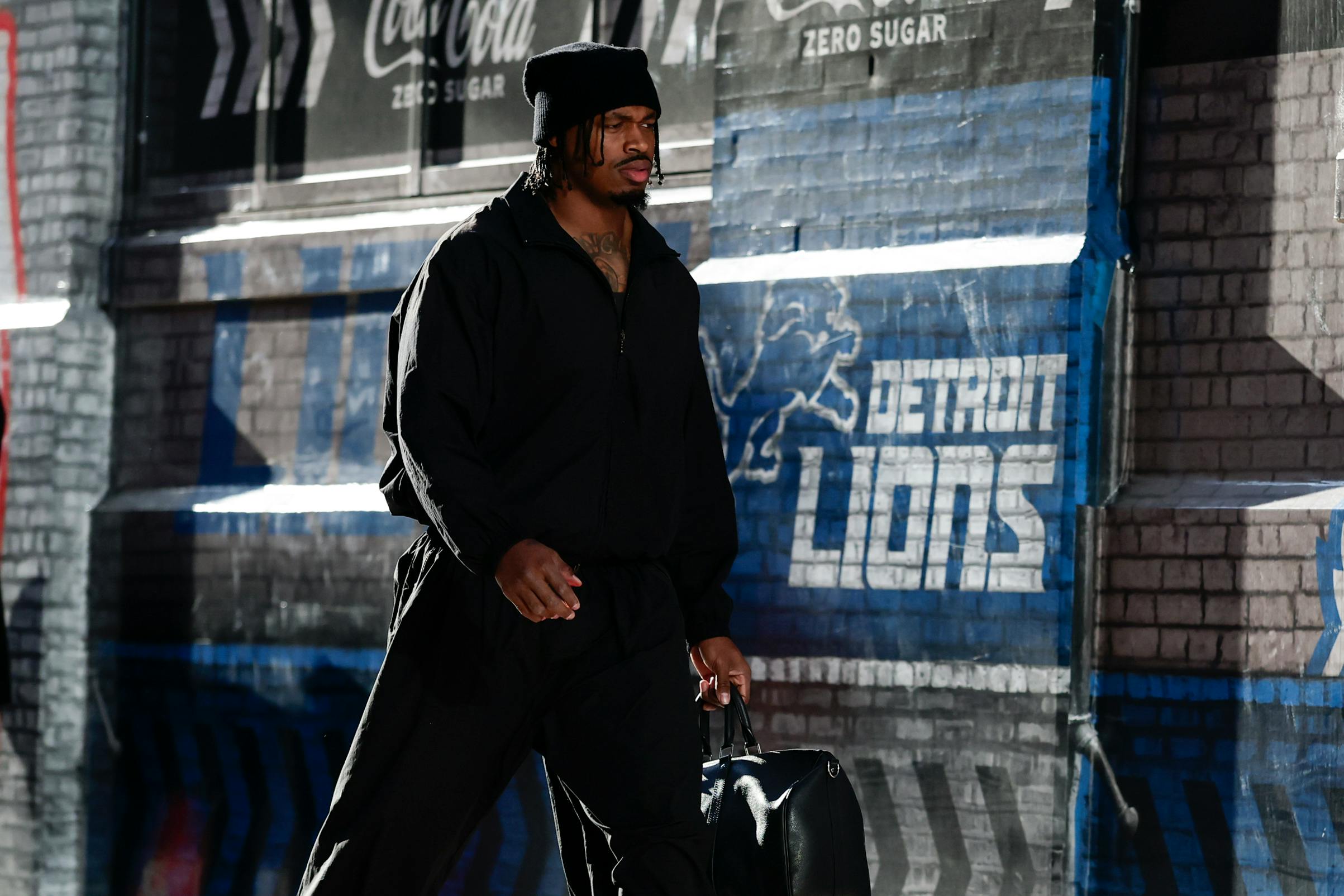
Kyle Smith Has a Job Title That Didn't Exist Before. That's the Whole Tell.
When the NFL hires a fashion editor, it's not about clothes — it's about who gets to decide what matters.
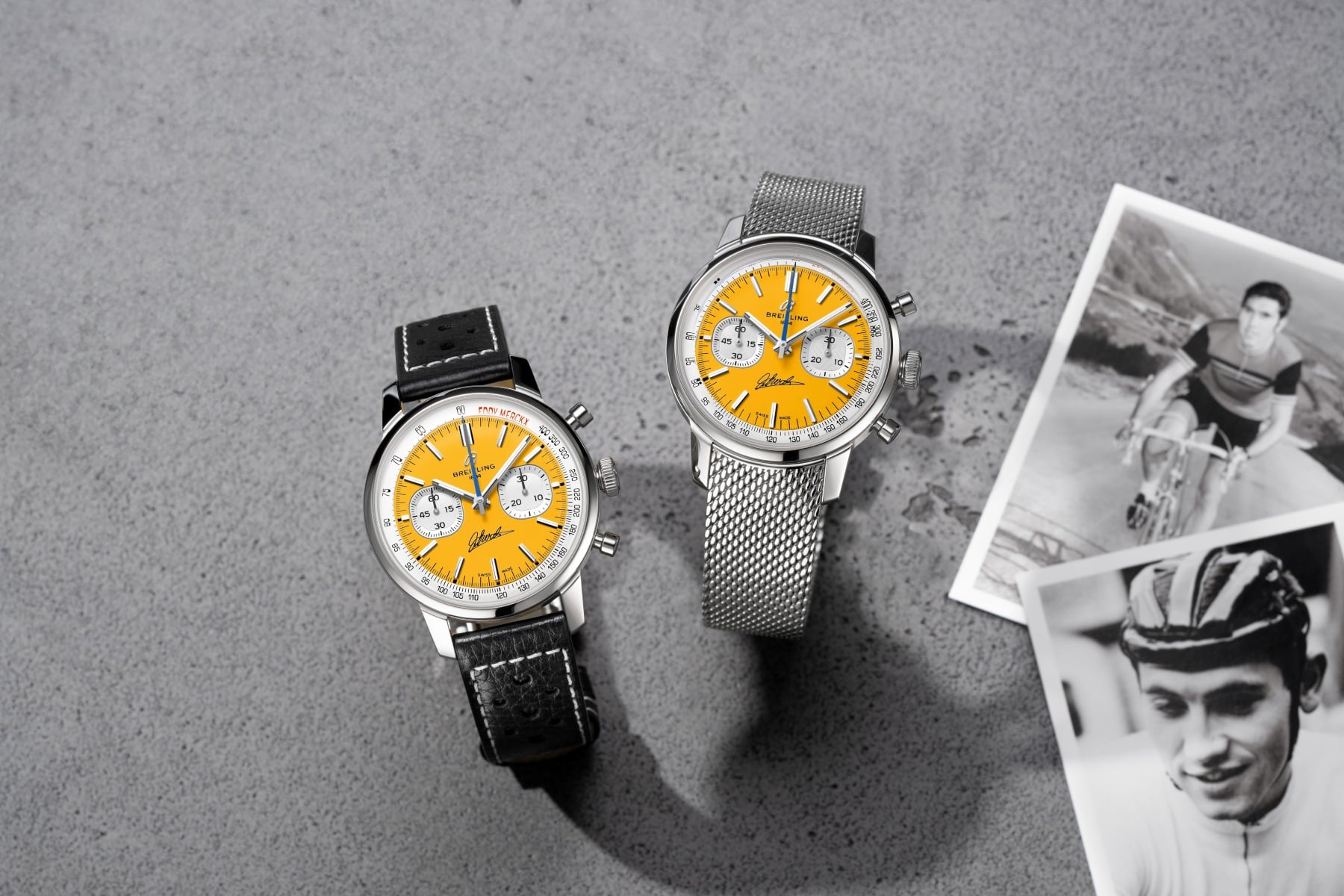
525 Victories, One Dial, and Cycling's Long Wait for a Wrist
Breitling's Eddy Merckx edition doesn't just reference a legend — it asks whether motorsport's younger sibling has finally earned its place in serious watch culture.
From the other desks.

800 Horsepower, One Ton of Doubt
Lamborghini built the most powerful SUV it's ever made. It's also slower than what it replaced.

ESPN Named Him. Then Unnamed Him. Nobody's Explaining the Gap.
A retraction without a reckoning is just a deleted link.

Hide My Email Has Been Showing Your Email
Apple's privacy flagship has a hole in it. They've known for over a year.