BA111OD Opened the Movement and Settled an Argument
The Chapter 7 Skeleton isn't just a new reference — it's evidence that skeletonization has become the price of admission at this tier.
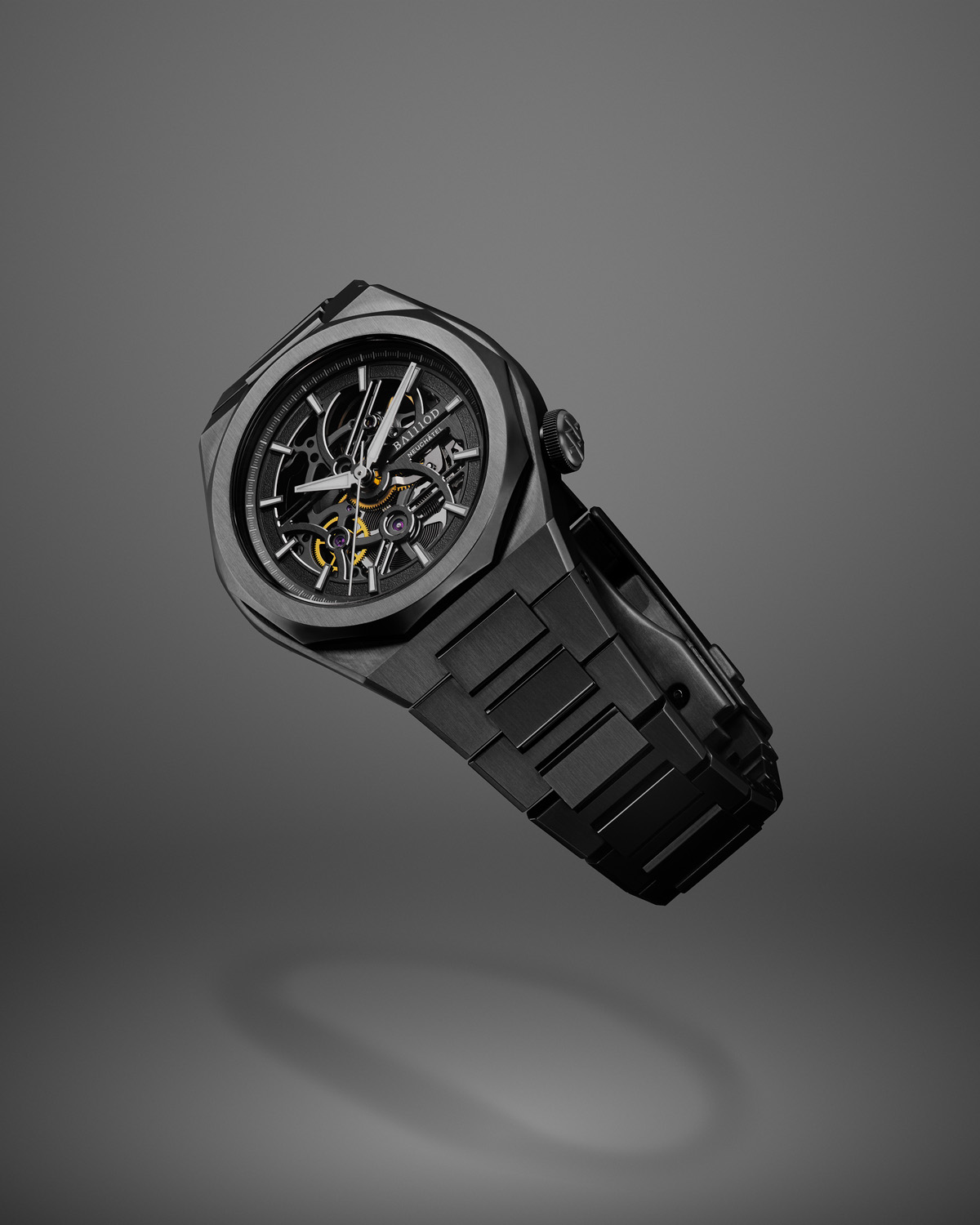
Photo · DEPLOYANT
There's a version of this watch that never gets made. The integrated bracelet sports watch that sits at the edge of affordability — well-shaped, well-finished, confidently positioned — and then quietly asks you to trust the brand on what's happening inside. Black dial, closed case back, take our word for it.
BA111OD didn't make that version. They made the Chapter 7 Skeleton instead, and the gap between those two decisions is where the real story lives.
What the Movement Has to Do With the Bracelet
The integrated bracelet sports watch is one of the more loaded objects in contemporary watchmaking. The silhouette carries obvious references — case and bracelet as a single continuous form, the suggestion of something bigger than its actual market position. At a certain price point, that suggestion starts to feel like a debt. The watch is making a claim, and it needs something to back it up.
Skeletonization is one answer to that debt. When Oracle Time noted the open dial in grey anthracite PVD, they were describing more than a finish choice — they were describing a watch that shows its work. The movement becomes the dial. The thing you're buying is no longer just a shape on your wrist; it's a visible argument for its own existence.
Time+Tide went further, calling the Chapter 7 Skeleton BA111OD's most refined and best-value skeletonised integrated sports watch yet — language that positions this not as a novelty but as a benchmark. That framing matters. Novelties get reviewed once and forgotten. Benchmarks get referenced when the next thing arrives.
Deployant flagged the Chapter 7 as an interesting entry in the BA111OD lineup even before this skeleton variant, which suggests the foundation was already doing something worth paying attention to. The skeleton reference doesn't reinvent the watch. It clarifies it.
CHF 1,120 and What That Number Actually Means
The retail price — CHF 1,120, or EUR 1,450 — is the most provocative fact in this entire conversation, and it almost gets buried under the aesthetics discussion.
At that number, you are not in the territory where skeletonization is expected. You're in the territory where most brands are still asking you to appreciate a well-applied dial texture and move on. The decision to open the movement at this price point isn't just generous — it's a strategic declaration. It says: the inside is worth seeing. It says: we're not hiding anything.
That kind of confidence used to belong exclusively to watches that cost multiples of this. The fact that it's arrived here, in an integrated sports watch with a grey anthracite PVD case, wearing its movement like it has nothing to apologize for — that's the actual shift worth noting.
Skeletonization used to be the thing brands did to justify a price increase. Now it's the thing brands do to justify the price they're already charging. The direction of the argument has reversed.
Some watches earn your attention by being restrained. This one earns it by being transparent — in every sense of the word.
Keep reading fashion.

Gold Leaf on a Lacquer Dial, and the Weight of What That Costs
Awake's Frosted Leaf Royal Blue asks a question Vietnamese craft has never quite had to answer at this price.
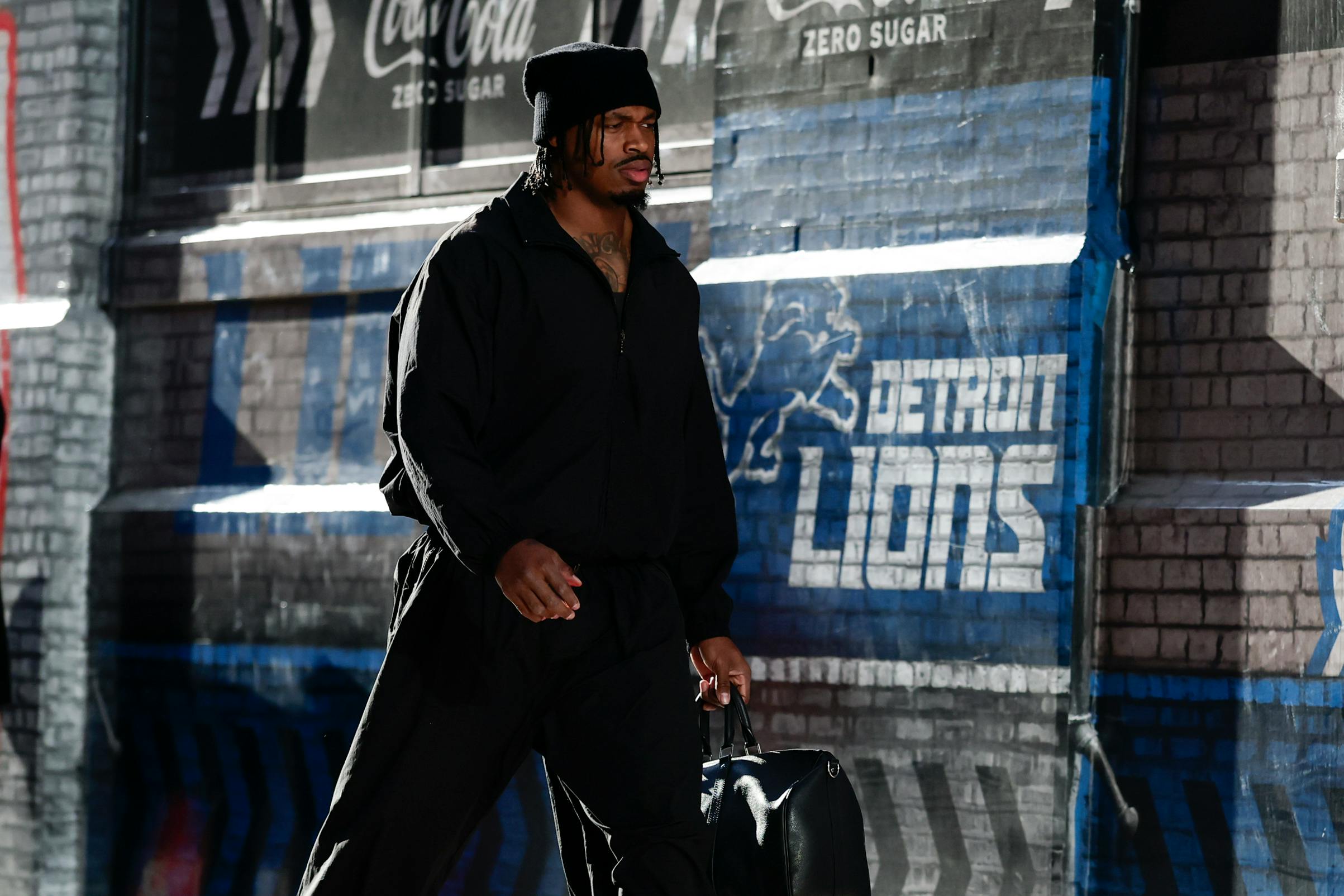
Kyle Smith Has a Job Title That Didn't Exist Before. That's the Whole Tell.
When the NFL hires a fashion editor, it's not about clothes — it's about who gets to decide what matters.
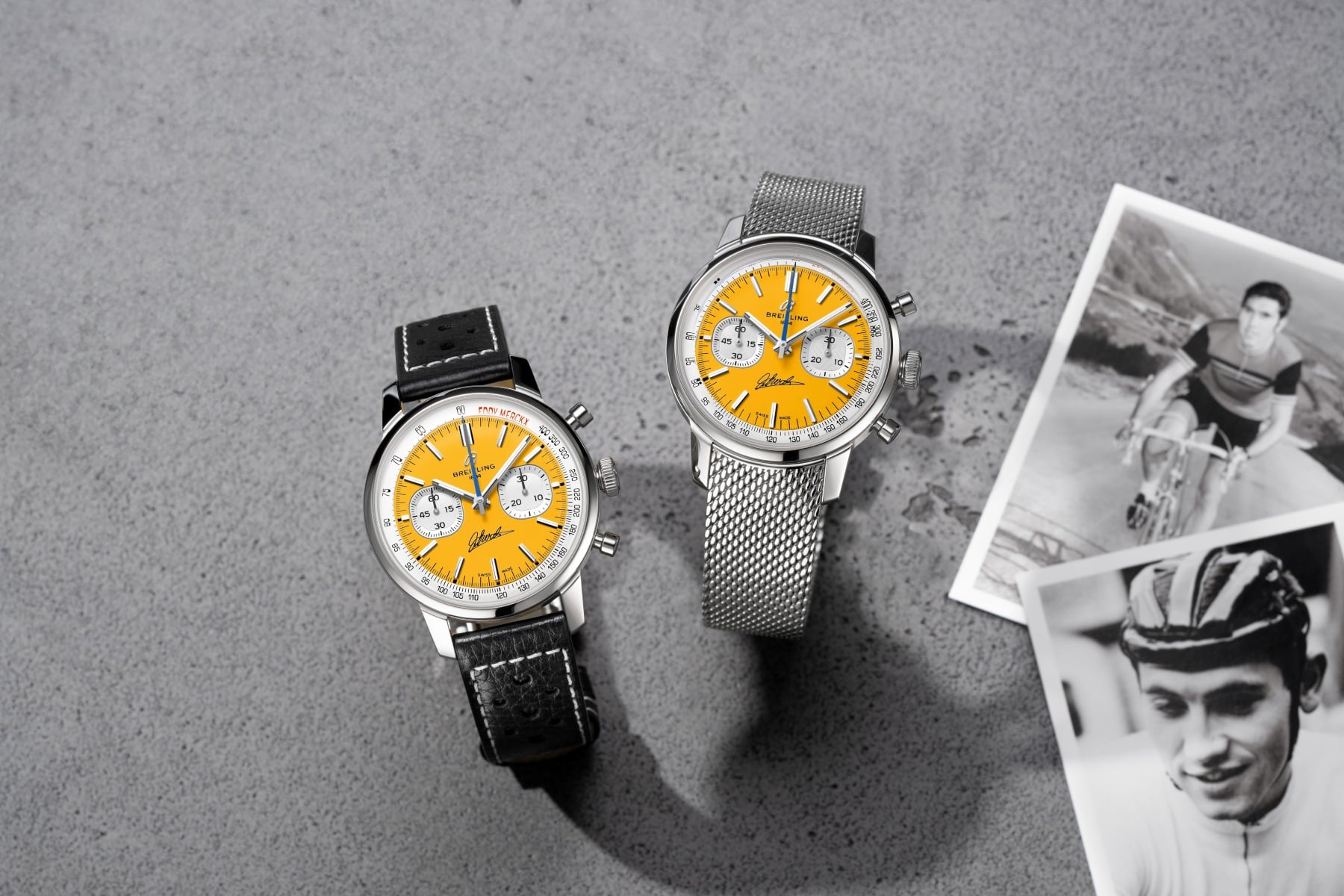
525 Victories, One Dial, and Cycling's Long Wait for a Wrist
Breitling's Eddy Merckx edition doesn't just reference a legend — it asks whether motorsport's younger sibling has finally earned its place in serious watch culture.
From the other desks.

800 Horsepower, One Ton of Doubt
Lamborghini built the most powerful SUV it's ever made. It's also slower than what it replaced.

ESPN Named Him. Then Unnamed Him. Nobody's Explaining the Gap.
A retraction without a reckoning is just a deleted link.

Hide My Email Has Been Showing Your Email
Apple's privacy flagship has a hole in it. They've known for over a year.