The Comfort of the Known
Watches & Wonders 2026 didn't ask what comes next — it asked how well we remember what came before.
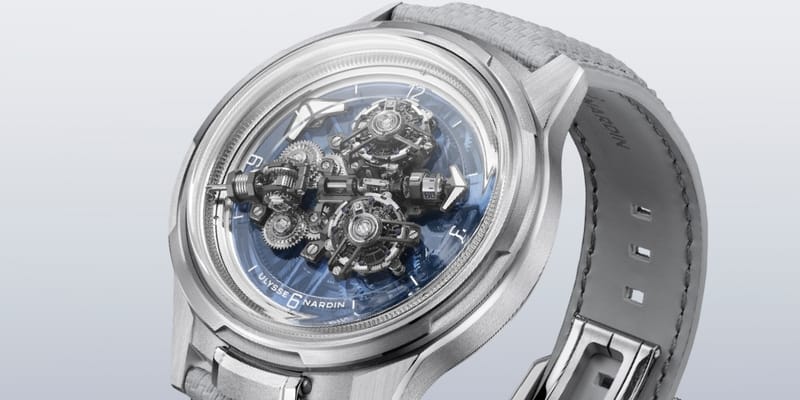
Photo · Hypebeast
Geneva, Again
Imagine a room where every object is trying to tell you it has always existed. Not that it's old — that it's inevitable. The cushion case, the crown guard, the dial that references a dial that referenced a dial. The language of watchmaking has always leaned on its own history, but something about Watches & Wonders 2026 makes that lean feel load-bearing. The past isn't being honored here. It's being deployed.
Thirty-one sources. Dozens of brands. Hundreds of references. And underneath all of it, a single, quiet thesis: the most successful thing a watch brand can do right now is remember itself better than anyone else does.
That's not cynicism. It might actually be wisdom. But it's worth sitting with.
What Iteration Looks Like When It's Done Right
Panerai came to Geneva with a lineup anchored explicitly in its military past — tool-watch heritage, aged finishes, a 'form follows function' principle that Escapement Magazine noted applies equally to the new Luminor Forged Titanium PAM01629 and its companion piece. Hypebeast described the collection as anchoring itself firmly in the raw power of the brand's history, at a moment when other maisons have been racing toward futuristic aesthetics. The interesting thing is that this reads as a strength, not a retreat. Panerai isn't apologizing for looking backward. It's arguing that backward is exactly where the truth lives.
Cartier, per Robb Report, unveiled new Roadsters, reworked the Baignoire, added a bracelet to the Santos-Dumont, and introduced something called the Myst. Jaeger-LeCoultre brought new Reverso interpretations alongside a Gyrotourbillon À Stratosphère. TAG Heuer extended the Monaco line and introduced the Evergraph — a rethink of the chronograph that Worn & Wound gave serious attention to, noting that TAG's relationship with the stopwatch-in-a-wristwatch goes far beyond aesthetics. Grand Seiko brought tide-themed dials in blue and green for a new Spring Drive diver, and separately delivered two pieces built, as WristReview put it, around Japanese scenery rather than noise.
Each of these is an evolution. A considered, careful, often beautiful evolution. And none of them are asking you to forget what came before — they're asking you to appreciate how well the brand has been paying attention to itself.
Oris went further than most in making that story explicit. Worn & Wound reported that a 24-year-old product design engineer reworked the Artelier Complication, a model with roots going back to 1991. The youngest hand in the room, tasked with the oldest kind of work. There's something almost mythological about that — the apprentice who studies the archive and finds the thing worth saving.
The Outliers Prove the Rule
The moments that cut through the pattern do so precisely because they understand it.
Ulysse Nardin's [Super] Freak is the most dramatic example. Limited to 50 pieces, powered by a new caliber featuring what Hypebeast described as a world-first automatic double tourbillon carousel, and positioned by the brand as the most complicated time-only watch ever made — this is a piece that arrives with genuine mechanical ambition. But even here, the frame is retrospective: it's a tribute to the original 2001 Freak, which itself was described as a viral moment that redefined modern horology. Scottish Watches noted that if MB&F didn't exist, Ulysse Nardin would probably take the crown for the most futuristic left-field watches out there. High praise. But the [Super] Freak is also, fundamentally, a 25th anniversary piece. Even the radical has learned to celebrate its own milestones.
Creador's debut on the world stage at Watches & Wonders — stepping out from under the Seiko umbrella after years of near-invisibility outside Japan — is a different kind of disruption. Worn & Wound framed it plainly: if Grand Seiko was once Seiko's best-kept secret, Credor was even more enigmatic. A brand appearing for the first time at the world's most important watch fair, presenting new Goldfeathers and a take on a Genta-designed piece, is doing something genuinely surprising. Not loud. Not loud at all. But surprising.
And then there's IWC, whose Pilot's Venturer Vertical Drive WristReview called one of the most original functional launches of the fair — a piece created with commercial space station use in mind. That's a specific, strange, ambitious brief. It's also, still, a Pilot's watch. The lineage holds.
What We're Actually Talking About
A. Lange & Söhne's new Saxonia Annual Calendar versions were described by WristReview as calm and sharp — notable precisely because they went in the opposite direction from watches that try too hard to show off their complications. That phrase stuck with me. Trying too hard to show off the complication. It's a watch-world problem, but it's also a very human one. The anxiety of not being enough, dressed up in technical achievement.
What Watches & Wonders 2026 seems to be saying — across 31 sources, across dozens of brands, across centuries of accumulated craft — is that the watch industry has found a kind of peace with what it is. Not stagnation. Peace. The revolution already happened. The quartz crisis, the mechanical revival, the collector culture, the auction records, the independent movement — all of it already occurred. What's left is stewardship. Refinement. The long, patient work of being excellent at a thing the world doesn't strictly need but quietly loves.
Tudor's centenary Monarch, reviving a name the brand had set aside. Chopard leaning into stone dials. Vacheron Constantin's Overseas Ultra-Thin, where a self-winding movement that only shows hours and minutes is, per Escapement Magazine, incredibly complex. The restraint is the point. The simplicity is the achievement.
I keep coming back to that Oris story — the 24-year-old engineer, the 1991 reference, the quiet act of looking backward to find something worth carrying forward. That's not a watch story. That's a story about how anything worth keeping actually gets kept. Not by declaring it sacred. By understanding it well enough to make it new.
The industry isn't out of ideas. It's out of interest in ideas that don't earn their place in the archive. That's a different thing entirely.
Keep reading fashion.

Gold Leaf on a Lacquer Dial, and the Weight of What That Costs
Awake's Frosted Leaf Royal Blue asks a question Vietnamese craft has never quite had to answer at this price.
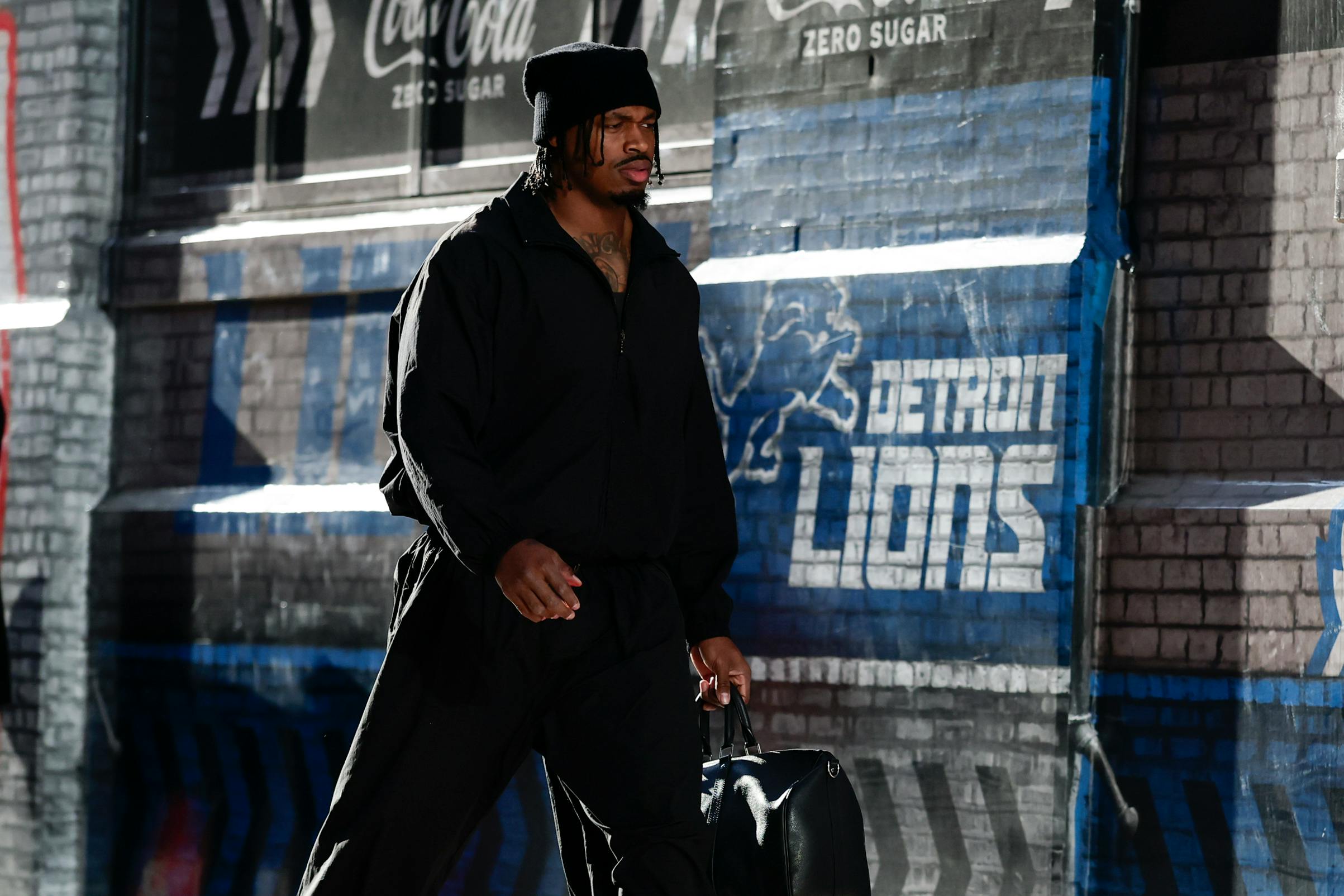
Kyle Smith Has a Job Title That Didn't Exist Before. That's the Whole Tell.
When the NFL hires a fashion editor, it's not about clothes — it's about who gets to decide what matters.
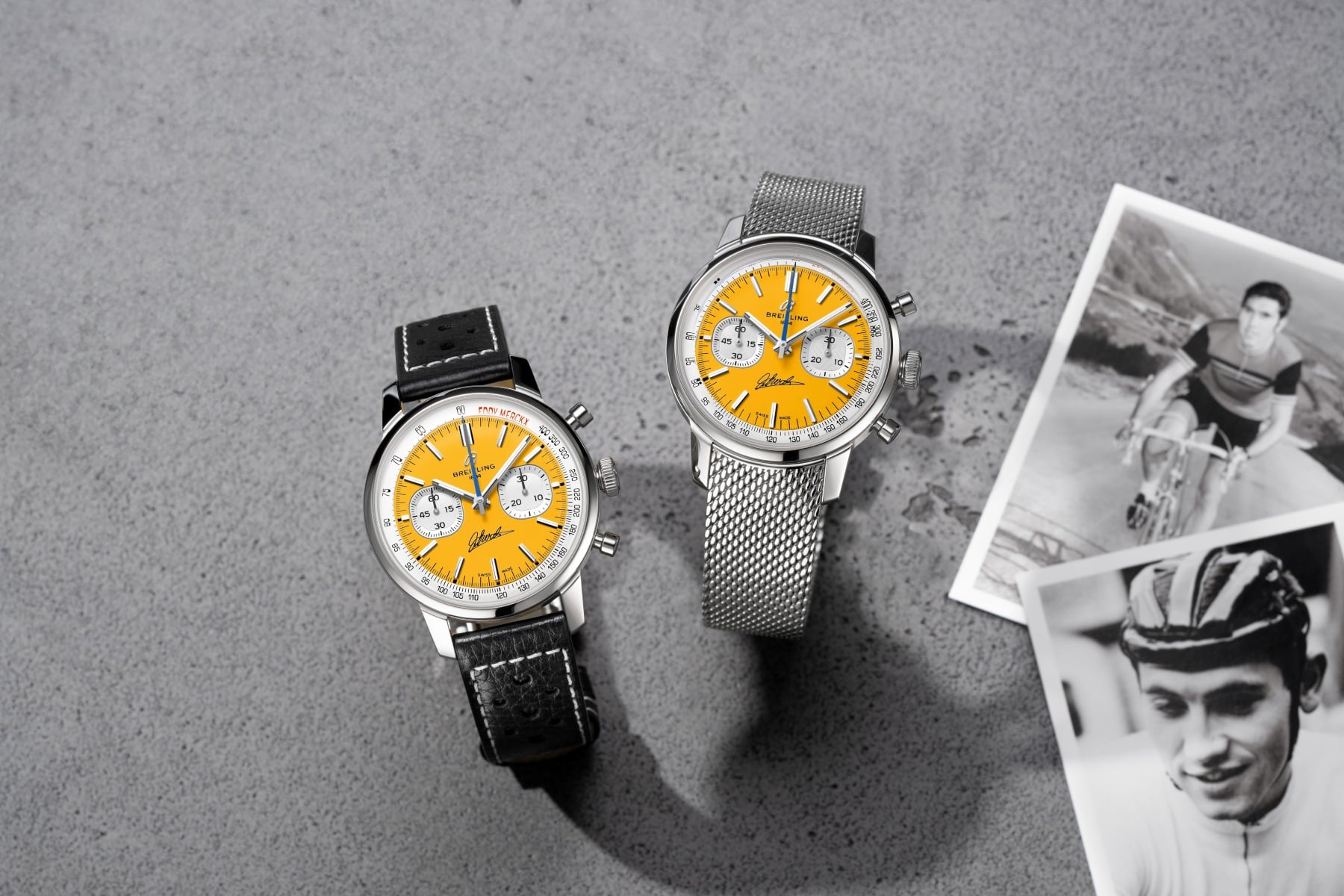
525 Victories, One Dial, and Cycling's Long Wait for a Wrist
Breitling's Eddy Merckx edition doesn't just reference a legend — it asks whether motorsport's younger sibling has finally earned its place in serious watch culture.
From the other desks.

800 Horsepower, One Ton of Doubt
Lamborghini built the most powerful SUV it's ever made. It's also slower than what it replaced.

ESPN Named Him. Then Unnamed Him. Nobody's Explaining the Gap.
A retraction without a reckoning is just a deleted link.

Hide My Email Has Been Showing Your Email
Apple's privacy flagship has a hole in it. They've known for over a year.