The Crown They Forgot They Were Wearing
Tudor's centennial Monarch revival asks whether digging up the past counts as vision — or just good timing.
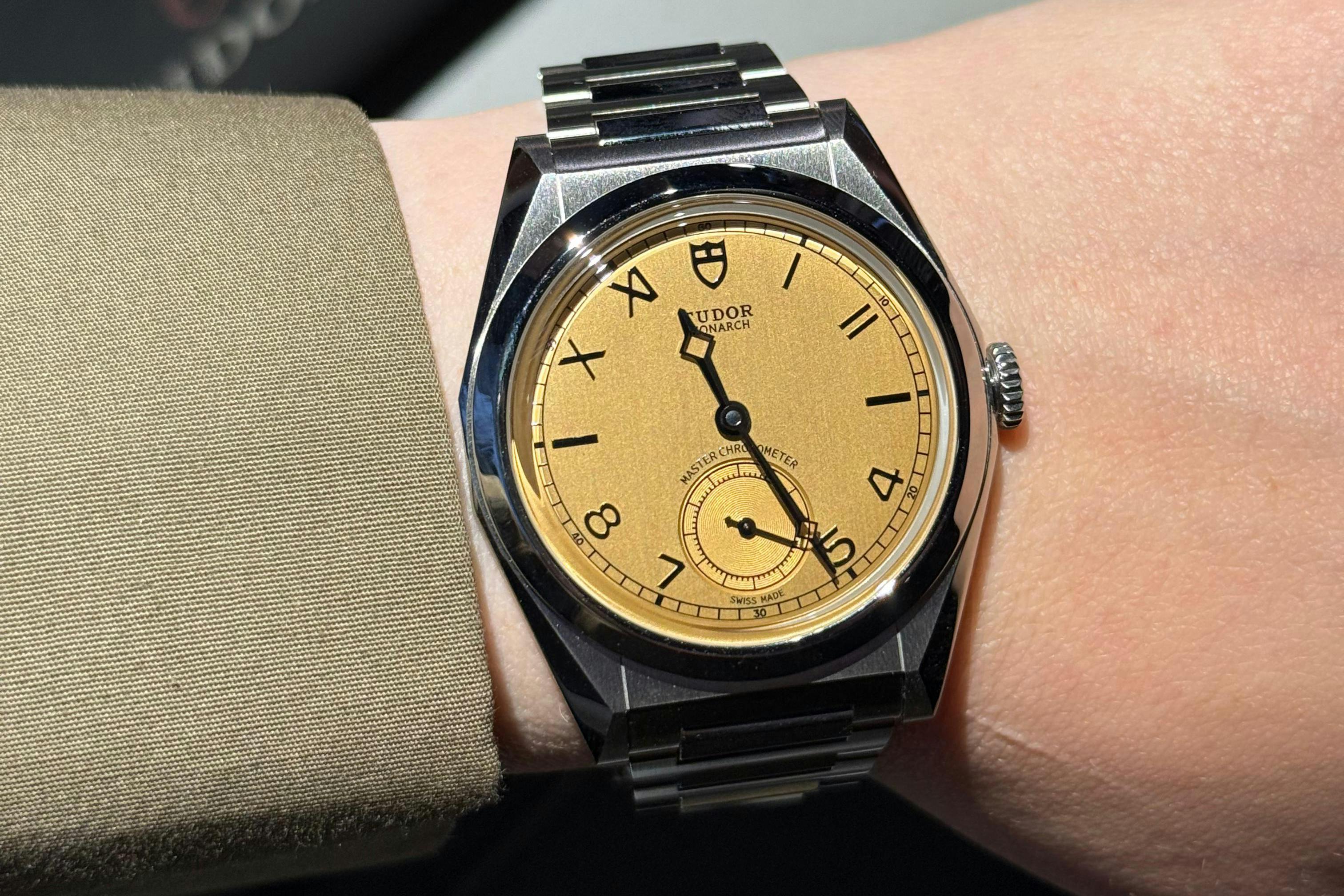
Photo · Highsnobiety
There's a particular kind of confidence in reaching back for something nobody was asking for.
Tudor turns 100, and instead of doubling down on what made them the brand they are today — the tool watch lineage, the dive watch credibility, the accessible-but-serious positioning that earned them a genuine following — they go looking in the archive for a model that was quietly retired in the early 2000s. The Monarch. A dressy watch. One that Highsnobiety describes, not without some affection, as the Rolex of Tudors.
That framing is doing a lot of work. It's flattering and slightly damning at the same time.
What the Monarch Actually Is
The original Monarch was never a cornerstone. It wasn't the watch people pointed to when they explained why Tudor mattered. It existed, it served a purpose, and then it didn't. Bringing it back for a centennial isn't nostalgia in the truest sense — nostalgia requires collective memory, and most people had no memory of this one at all.
What Tudor has done with the new version is lean hard into finishing and movement quality, according to SJX Watches, whose early read emphasizes that the emphasis is squarely on craft — the kind of details that reward the person who already knows what they're looking at. That's a specific audience. It's not the crowd that came for the Black Bay. It might be the crowd that's ready to move past it.
And that's where the calculus gets interesting.
Iteration or Intention
The suggested read on a move like this is that it's heritage theater — a brand celebrating itself by resurrecting something obscure enough to feel discovered rather than repeated. There's truth in that. But I'm not sure it's the whole truth.
Tudor has spent years building a reputation on utility, on watches that work, on not pretending to be something they aren't. A dressy Monarch, with its attention to movement finishing and a positioning that edges toward the upper end of what Tudor does, is a genuine pivot in register. It's the brand testing whether its audience has grown up alongside it — whether the person who bought a Black Bay at 28 is now 38 and looking for something that suits a different occasion without requiring a different brand entirely.
That's not a cynical move. That's a brand trying to hold onto someone as their life changes shape.
Whether the Monarch earns that loyalty is a different question. Refinement without reinvention is still refinement — and refinement matters. The finishing SJX points to, the quality emphasis, the sense that Tudor is treating this as a serious object rather than a limited-run anniversary trinket — these aren't nothing. They're the difference between a watch that ages well and one that photographs well.
The centennial gives them permission to reach for something bigger. The Monarch is what they reached for. It's a quieter choice than anyone expected, and quieter choices are usually either very wise or very safe.
Time, as they say, will sort that out.
Keep reading fashion.

Gold Leaf on a Lacquer Dial, and the Weight of What That Costs
Awake's Frosted Leaf Royal Blue asks a question Vietnamese craft has never quite had to answer at this price.

Kyle Smith Has a Job Title That Didn't Exist Before. That's the Whole Tell.
When the NFL hires a fashion editor, it's not about clothes — it's about who gets to decide what matters.
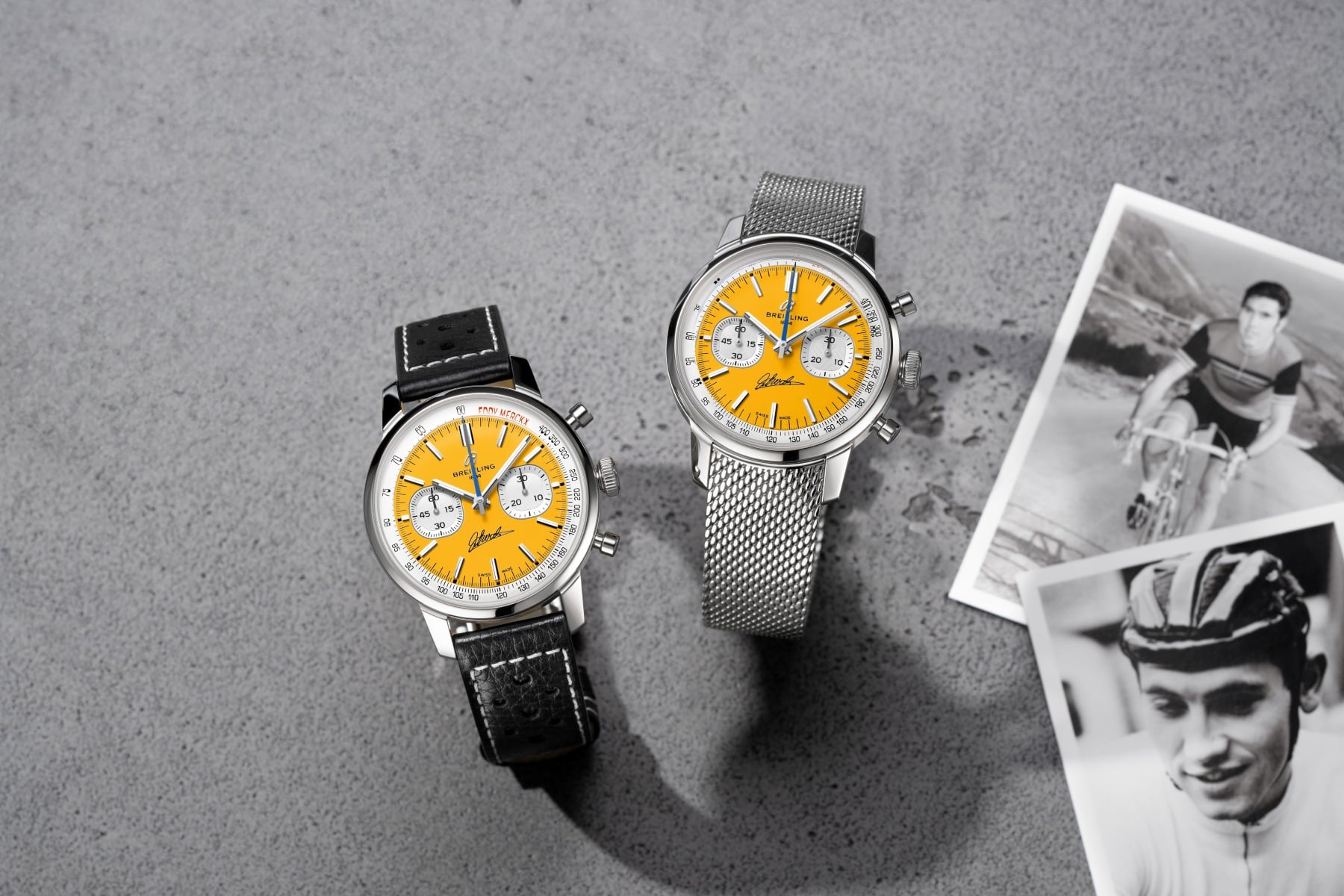
525 Victories, One Dial, and Cycling's Long Wait for a Wrist
Breitling's Eddy Merckx edition doesn't just reference a legend — it asks whether motorsport's younger sibling has finally earned its place in serious watch culture.
From the other desks.

800 Horsepower, One Ton of Doubt
Lamborghini built the most powerful SUV it's ever made. It's also slower than what it replaced.

ESPN Named Him. Then Unnamed Him. Nobody's Explaining the Gap.
A retraction without a reckoning is just a deleted link.

Hide My Email Has Been Showing Your Email
Apple's privacy flagship has a hole in it. They've known for over a year.