The Watch That Stopped Proving Itself
Fifty years in, Patek Philippe's Nautilus anniversary move is quieter than you'd expect — and that's exactly the point.

Photo · Oracle Time
There's a version of a 50th anniversary that announces itself loudly. Limited editions with commemorative engravings, special dials, numbered plaques on the caseback. The industry loves this. Collectors have learned to tolerate it.
Patek Philippe did something different.
The Absence That Says Everything
For the Nautilus at 50, the most significant design decision was a subtraction. The new anniversary references — the Ref. 5610/1P-001 in platinum and the Ref. 5810/1G-001 in white gold, both noted across coverage from Oracle Time and DEPLOYANT — carry the caliber C.240, and that movement now runs without a seconds hand. No sweeping indication. No tick-by-tick proof of life. Just hours and minutes, presented with the particular confidence of something that has nothing left to demonstrate.
DEPLOYANT, reporting live from Watches & Wonders 2026, noted the 41mm case sizing on the white gold reference with bracelet to match — details that matter because the Nautilus silhouette is load-bearing. You don't change it without consequence. But the removal of the seconds hand isn't a structural change. It's a philosophical one.
A seconds hand is, at its core, a performance. It moves. It shows you the movement is alive, that the engineering beneath the dial is doing its job in real time. Removing it from an anniversary watch — one meant to mark five decades of existence — reads less like minimalism and more like a shrug of total self-assurance. We know it works. You know it works. We're done performing.
That's a posture very few objects can sustain. The Nautilus has earned it.
What Three References Tells You About One Brand
Patek didn't release one anniversary watch. They released three new references for the occasion, according to DEPLOYANT's WWG26 coverage — part of a broader slate of 20 new models across the collection. That's not a brand hedging its bets. That's a brand with a clear sense of what the Nautilus means to different people, and the quiet confidence to address all of them simultaneously without making any single version feel like the consolation prize.
The platinum Ref. 5610/1P-001 and white gold Ref. 5810/1G-001 are the anchors, the ones the coverage gravitates toward. Precious metal cases, integrated bracelets, that stripped-down dial. They don't scream anniversary. They whisper it — and the whisper carries further.
This is the thing about refinement without apology: it only works when the object has already done the hard work of becoming iconic. You can't launch a watch this quietly. You can only continue one this quietly, after decades of proving the shape, the proportions, the way it sits on a wrist deserve their place in the conversation.
The Nautilus has been in that conversation since Gerald Genta's original design — a sports watch in steel that somehow became one of the most coveted references in the secondary market. Fifty years later, Patek's response to that legacy is not to lean into it loudly. It's to take something away and trust that you'll notice.
You will notice. That's the whole point.
The most confident thing a 50-year-old icon can do is stop explaining itself.
Keep reading fashion.

Gold Leaf on a Lacquer Dial, and the Weight of What That Costs
Awake's Frosted Leaf Royal Blue asks a question Vietnamese craft has never quite had to answer at this price.

Kyle Smith Has a Job Title That Didn't Exist Before. That's the Whole Tell.
When the NFL hires a fashion editor, it's not about clothes — it's about who gets to decide what matters.
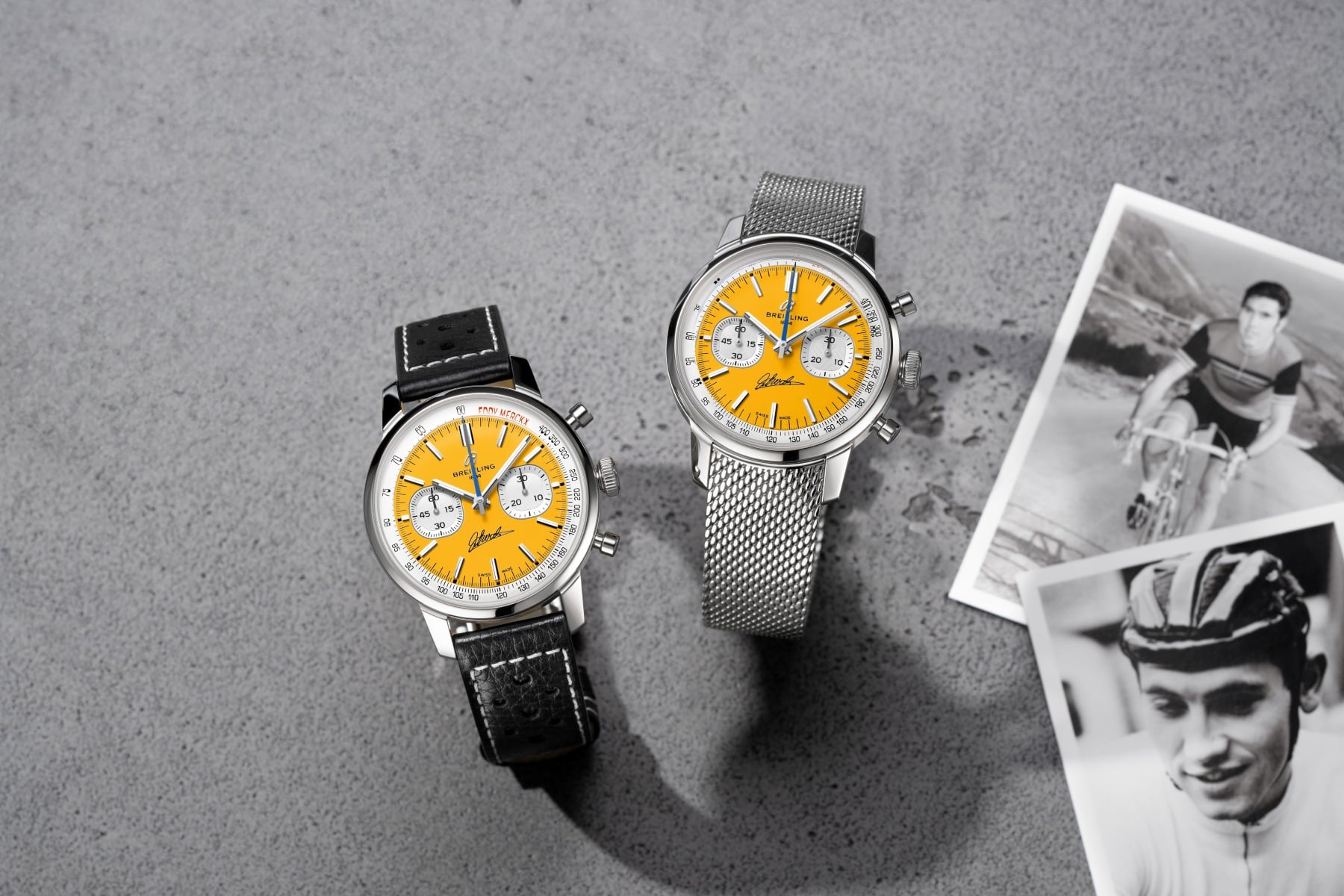
525 Victories, One Dial, and Cycling's Long Wait for a Wrist
Breitling's Eddy Merckx edition doesn't just reference a legend — it asks whether motorsport's younger sibling has finally earned its place in serious watch culture.
From the other desks.

800 Horsepower, One Ton of Doubt
Lamborghini built the most powerful SUV it's ever made. It's also slower than what it replaced.

ESPN Named Him. Then Unnamed Him. Nobody's Explaining the Gap.
A retraction without a reckoning is just a deleted link.

Hide My Email Has Been Showing Your Email
Apple's privacy flagship has a hole in it. They've known for over a year.