Charlotte Blinked. Minnesota Just Bought a Personality.
LaMelo Ball didn't get traded because he failed. He got traded because Charlotte couldn't figure out what to do with someone who succeeded on his own terms.
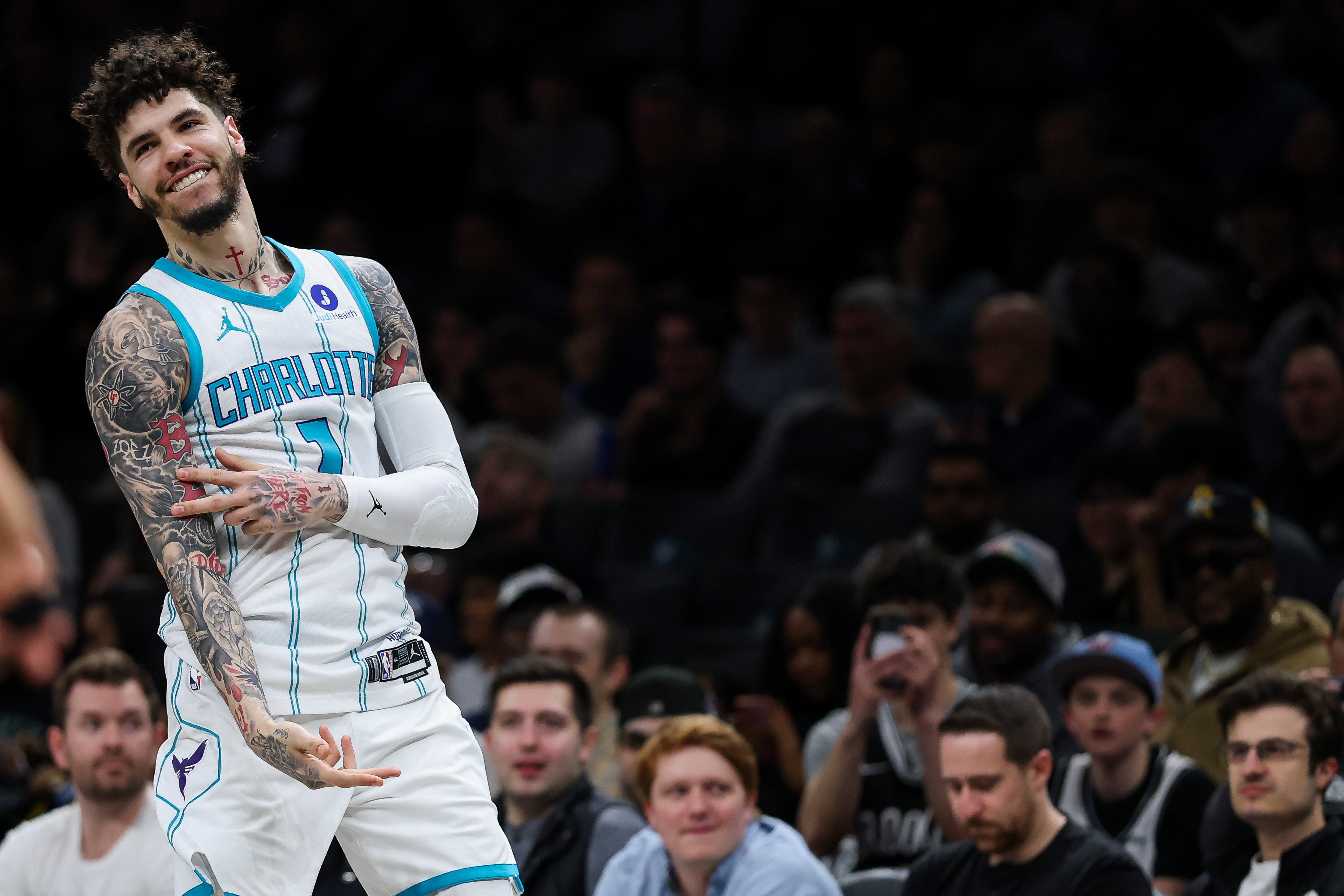
Photo · Defector
Five sources covered this trade. Not one of them agreed on what it meant. That's how you know it matters.
The Charlotte Hornets sent LaMelo Ball and Josh Green to the Minnesota Timberwolves for Naz Reid, a 2033 unprotected first-round pick, three first-round pick swaps, and three future second-round picks. That's the transaction. The story underneath it is something else entirely.
What Charlotte Actually Admitted
Read the return package slowly. A power forward. Draft picks that won't land until 2033. Swaps in 2028, 2029, 2030 — years so distant they feel less like assets and more like apologies. As one writer at Defector put it plainly, Hornets fans received a pittance for their franchise player. The same piece noted that Charlotte does walk away with a trade exception north of $40 million and reportedly the NBA's second-largest collection of first-round picks — so the front office has room to maneuver. But maneuvering toward what, exactly, is the part nobody can answer.
This is what organizational surrender looks like when it's dressed up as a rebuild. Charlotte didn't lose LaMelo Ball because the market undervalued him. They lost him because they couldn't build around him — and eventually stopped trying to hide that fact. When you trade a generational talent for futures, you're not betting on tomorrow. You're confessing that today was never going to work.
The timing lands with particular weight: the deal closed hours after the conclusion of the NBA Draft, according to Front Office Sports. One era ending, another beginning, all in the span of a news cycle.
What Minnesota Just Bought
Anthony Edwards and LaMelo Ball in the same backcourt. Two players from the same 2020 draft class, reunited on a team that the Guardian described as title-hunting. That's not a rebuild. That's a declaration.
Minnesota didn't acquire a system player. They acquired a personality — someone who plays the game with a looseness and specificity that either elevates everyone around him or scrambles the chemistry entirely. Deadspin framed the acquisition as franchise-altering, with real implications for the Western Conference race. That reads right. But franchise-altering cuts both ways. The Timberwolves are betting that Ball's gifts compound next to Edwards rather than compete with them. That's not a safe bet. It's a confident one.
There's something worth noting in how the coverage framed this move. Multiple outlets reached for words like "blockbuster" and "new era." The NY Post went a different direction entirely, noting that the trade arrives months after Ball had his first child. The personal and the professional, braided together in a single news cycle — which is exactly how LaMelo Ball has always operated. He's never been just a basketball player. He's been a character. Charlotte couldn't monetize that. Minnesota is counting on it.
The real question this trade forces isn't about fit or cap flexibility or whether those 2028 pick swaps will ever matter. It's simpler and harder than that: does a player who plays like no one else need an organization that thinks like no one else? Charlotte answered that question by giving him away. Minnesota answered it by paying whatever it cost to bring him home.
Keep reading sports.

ESPN Named Him. Then Unnamed Him. Nobody's Explaining the Gap.
A retraction without a reckoning is just a deleted link.

Three People Died Celebrating. FIFA Hasn't Said Their Names.
Mexico City buried three people after the World Cup crowds came through. At some point, the sport has to sit with that.

Sell the Stadium, Lose the Room
NFL franchises are rolling out the welcome mat for World Cup tourists — and the desperation is showing.
From the other desks.

800 Horsepower, One Ton of Doubt
Lamborghini built the most powerful SUV it's ever made. It's also slower than what it replaced.

Gold Leaf on a Lacquer Dial, and the Weight of What That Costs
Awake's Frosted Leaf Royal Blue asks a question Vietnamese craft has never quite had to answer at this price.

Hide My Email Has Been Showing Your Email
Apple's privacy flagship has a hole in it. They've known for over a year.