One Photo, Years of Work, and the Distance You Can Never Close
Dianna Russini's resignation from The Athletic isn't a story about what happened in Sedona. It's a story about what sports media still demands from the people who cover it.
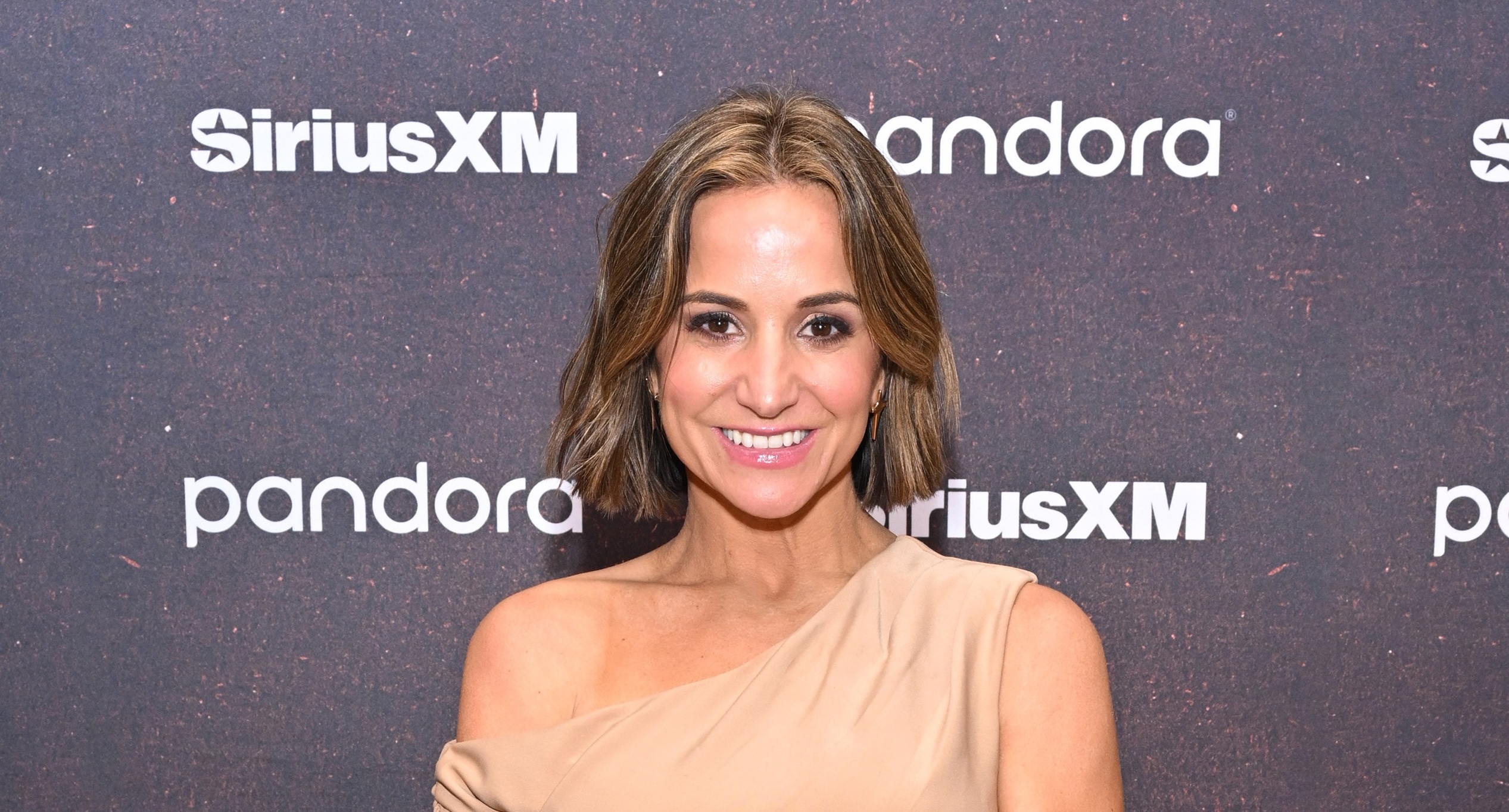
Photo · Defector
There's a version of this story that's simple. Reporter. Source. Photos. Resignation. Done.
But that version doesn't explain why it landed the way it did — why the coverage spread so fast, why the debate inside sports media cracked along the lines it did, why a single set of photos taken at an Arizona resort could end a career at one of the biggest sports outlets in the country.
Dianna Russini resigned from The Athletic on Tuesday, roughly a week after the New York Post published photos of her and New England Patriots head coach Mike Vrabel at a Sedona resort — lounging, holding hands. The Athletic, which is owned by The New York Times, had launched an internal investigation. Russini denied any romantic involvement. Both are married to other people. And yet her resignation letter, obtained and published by Rob Maaddi of the Associated Press, made no admissions — it cited what she called self-feeding speculation, and her position that she had covered the NFL with professionalism.
The Athletic had initially defended her publicly. Then she was gone.
The Appearance Is the Problem
Here's what the coverage across Defector, The Guardian, and Awful Announcing kept circling without quite saying plainly: the actual conflict of interest almost doesn't matter. What matters is that the appearance of one now exists, and in sports journalism, appearance is infrastructure.
The authority a reporter like Russini carries — the access, the scoops, the trust of sources and readers simultaneously — is built on a perceived neutrality that is, at some level, always partially fiction. Every beat reporter has relationships. Every insider has sources they protect. The whole enterprise runs on proximity to power while pretending to stand apart from it. That tension is baked in. It's just usually invisible.
The photos made it visible. And once it's visible, it can't be unseen.
Russini was considered one of the top NFL reporters in the business. That standing doesn't evaporate because of a week in Sedona. But it does become contested — and contested authority is, functionally, diminished authority. The Athletic couldn't have her covering a league where one of its coaches is now a story she can never touch without the question following her.
Who Gets Asked to Prove Distance
Awful Announcing reported that women in sports media were divided on whether this situation puts the credibility of female reporters broadly at risk — and that fault line is where this story gets genuinely complicated.
Because the honest question isn't whether Russini had a conflict. It's whether the scrutiny applied here would have arrived this fast, this hard, and this finally for a male reporter in the same position. That's not a deflection. That's a structural observation about an industry that has spent years adding women to press boxes while keeping the rules of credibility written by and for the people who were already there.
The standard being enforced — that a reporter must not only avoid conflicts but avoid the appearance of them, including in their private life — is a real standard. It's a reasonable standard. But standards applied selectively are something else.
Russini is gone. Vrabel is still coaching. The Athletic will assign someone else to cover the Patriots.
The story moves on, the way it always does — leaving behind the one person whose name was in the headline.
Keep reading sports.

ESPN Named Him. Then Unnamed Him. Nobody's Explaining the Gap.
A retraction without a reckoning is just a deleted link.

Three People Died Celebrating. FIFA Hasn't Said Their Names.
Mexico City buried three people after the World Cup crowds came through. At some point, the sport has to sit with that.

Sell the Stadium, Lose the Room
NFL franchises are rolling out the welcome mat for World Cup tourists — and the desperation is showing.
From the other desks.

800 Horsepower, One Ton of Doubt
Lamborghini built the most powerful SUV it's ever made. It's also slower than what it replaced.

Gold Leaf on a Lacquer Dial, and the Weight of What That Costs
Awake's Frosted Leaf Royal Blue asks a question Vietnamese craft has never quite had to answer at this price.

Hide My Email Has Been Showing Your Email
Apple's privacy flagship has a hole in it. They've known for over a year.