Golf Has No Expiration Date, and Olazabal Just Proved It
A 60-year-old leading Augusta on Thursday is not a feel-good footnote. It's the whole argument.
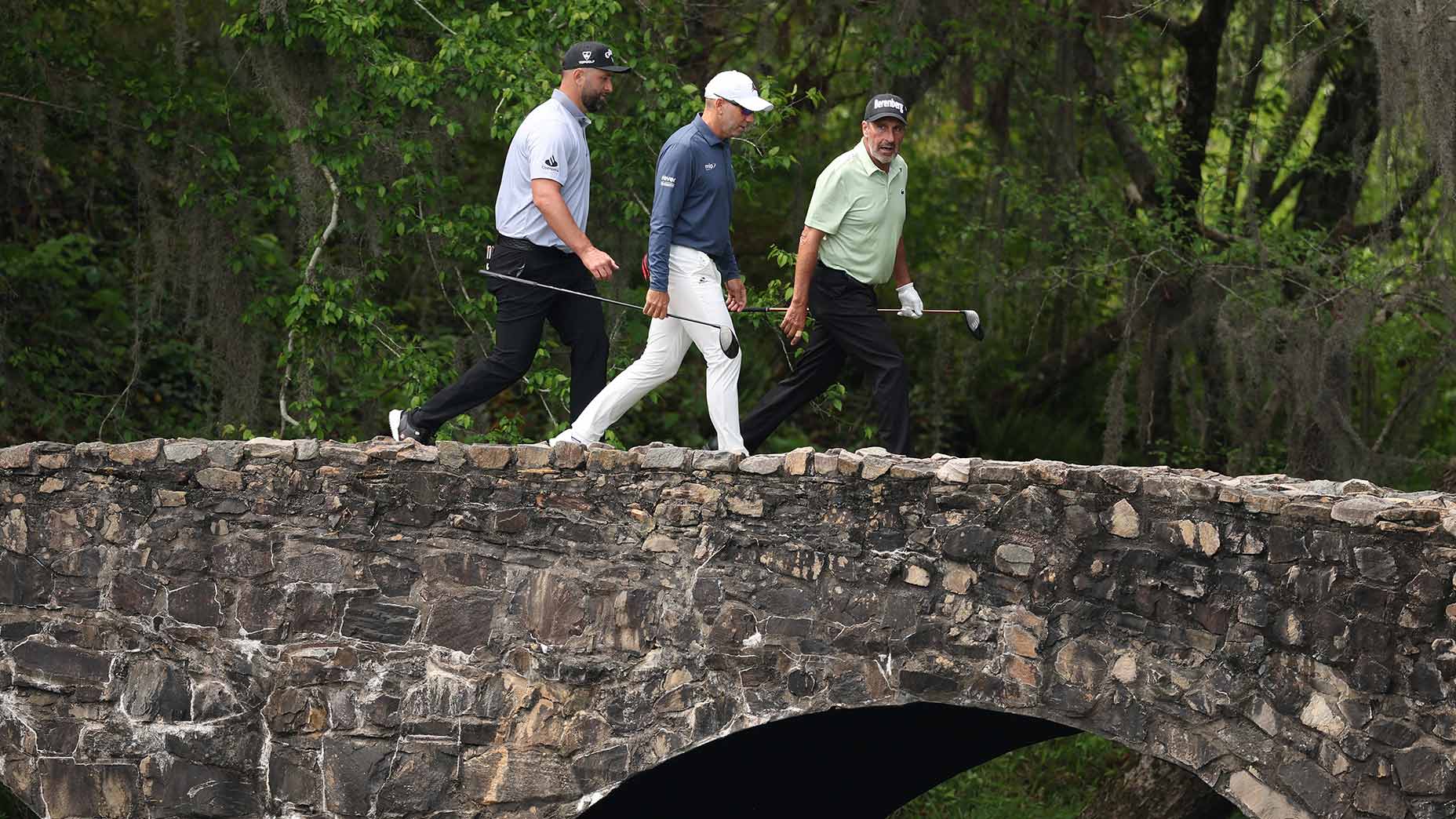
Photo · Golf.com - Top Stories
No other sport does this.
Not basketball. Not tennis. Not football. You cannot name a 60-year-old who led any major championship in any other sport this decade, or the last one, or the one before that. The very idea sounds like a premise for a bad movie.
And yet there was José María Olazábal — two-time Masters champion, 60 years old — sitting atop the leaderboard at Augusta National on Thursday. Golf.com flagged it. The internet stopped. Even Olazábal, by the account of those around him, understood exactly what was happening in that moment.
He noticed. He knew you noticed.
The Sport That Refuses to Let Age Win
What makes this worth more than a warm headline is what it reveals about golf's structural relationship with time. The sport is almost uniquely designed to resist the tyranny of athleticism. Precision accumulates. Course management deepens. The nervous system learns Augusta's breaks over decades, not seasons. A man who first won here in 1994 carries thirty years of muscle memory into every iron shot.
That's not sentiment. That's a real competitive advantage that no other major sport allows to exist at scale.
The Golf.com piece is right to note the shock in the room — but the shock itself is the story. That anyone is surprised says more about how we've been trained to think about athletic relevance than it does about Olazábal. We've absorbed a model where athletes peak in their mid-twenties and spend the rest of their careers managing decline. Golf keeps refusing that model, and we keep being startled when it does.
Tom Watson nearly won the Open Championship at 59. Gary Player competed at Augusta well into his sixties. These aren't anomalies. They're data points in an ongoing argument that the sport is making about itself.
What Augusta Specifically Does to This Moment
It matters that this happened at the Masters and not at some mid-tier event on a forgiving course. Augusta rewards precision over power, which is why the bomber era only partially took hold here. It rewards players who know where not to miss. Olazábal has known where not to miss at Augusta since before most of the current field was born.
There's a version of this story where it's purely nostalgic — a champion reliving past glory for one sentimental Thursday round. That version is wrong. Leading a major championship field, even briefly, is not nostalgia. It's performance. The leaderboard doesn't grade on sentiment.
The Golf.com coverage exists because the sports internet needed a place to put its surprise. That's fair. But I'd push further: the surprise should be embarrassing. We should have learned by now that Augusta, in particular, does not reward the calendar. It rewards the golfer who has learned it most deeply — and some of those golfers have had sixty years to do exactly that.
The moment fades. The round ends. The younger players with more distance and fresher nerves will likely finish ahead when Sunday comes.
But for a few hours on a Thursday in April, the best golfer at Augusta National was 60 years old — and the only thing unusual about that is how long it took us to stop being surprised.
Keep reading sports.

ESPN Named Him. Then Unnamed Him. Nobody's Explaining the Gap.
A retraction without a reckoning is just a deleted link.

Three People Died Celebrating. FIFA Hasn't Said Their Names.
Mexico City buried three people after the World Cup crowds came through. At some point, the sport has to sit with that.

Sell the Stadium, Lose the Room
NFL franchises are rolling out the welcome mat for World Cup tourists — and the desperation is showing.
From the other desks.

800 Horsepower, One Ton of Doubt
Lamborghini built the most powerful SUV it's ever made. It's also slower than what it replaced.

Gold Leaf on a Lacquer Dial, and the Weight of What That Costs
Awake's Frosted Leaf Royal Blue asks a question Vietnamese craft has never quite had to answer at this price.

Hide My Email Has Been Showing Your Email
Apple's privacy flagship has a hole in it. They've known for over a year.