Nike Wants to Own the Shelf. China Already Owns the Store.
Going direct-to-consumer in China sounds like control. A writer at Front Office Sports thinks it looks more like panic.
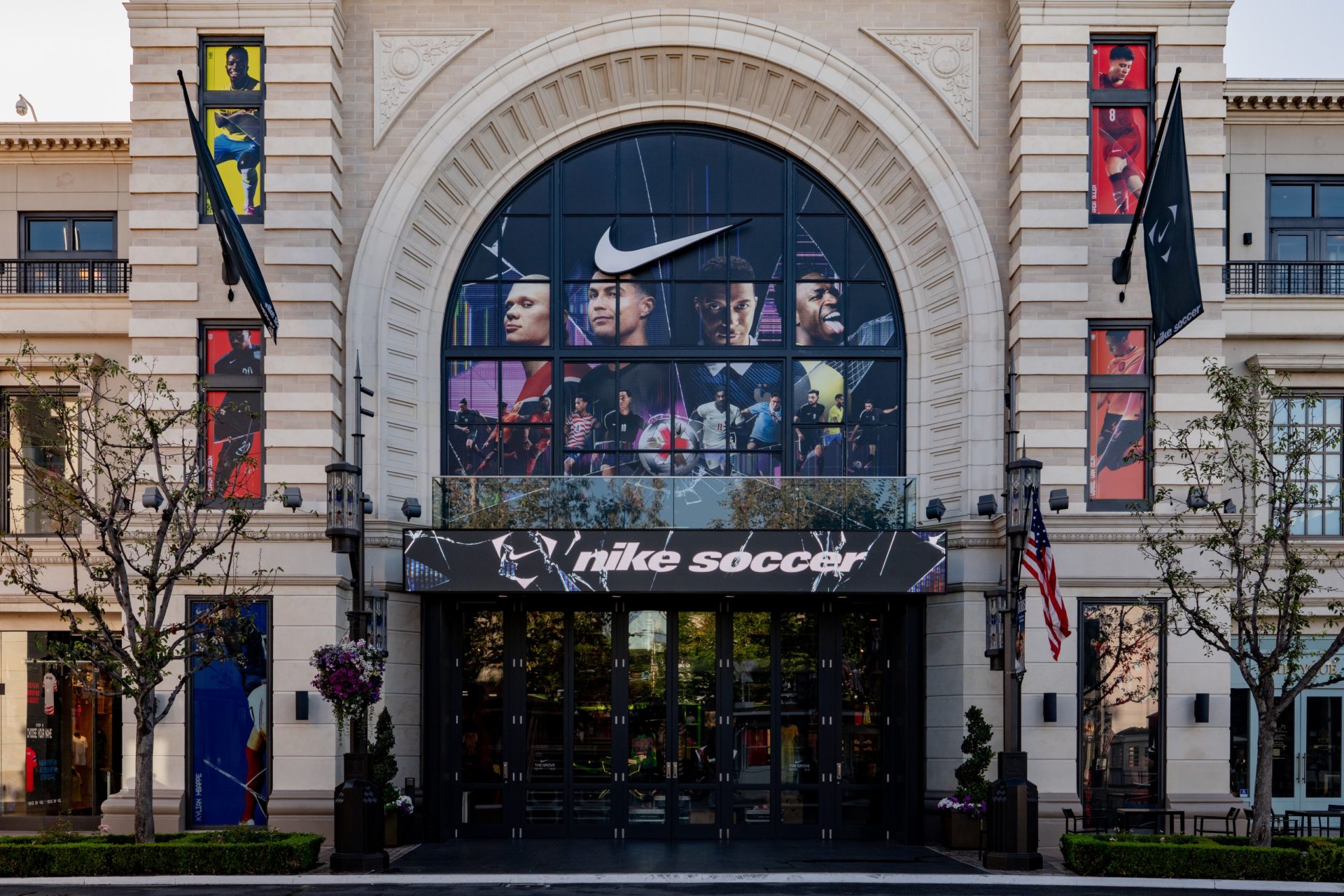
Photo · Front Office Sports
There's a version of this story where Nike's reported move to cut out third-party online retailers in China reads as confidence. A global brand reclaiming its margins, tightening its narrative, owning the relationship with the customer. That's the press release version.
A writer at Front Office Sports is not writing the press release version.
The Bet Nobody's Calling a Bet
The piece positions Nike's rumored shift toward direct e-commerce in China as a gamble — specifically, a misstep in the making. And what's interesting isn't the conclusion. It's that the argument is being made at all, out loud, in print, right now. Because that means someone looked at what Nike is reportedly doing and decided the honest read was: this might not work.
That's worth sitting with. Nike is not a company that generates a lot of skeptical coverage on its strategic moves, at least not before those moves have clearly failed. The fact that a publication covering the business of sports is flagging concern at the rumor stage — before a single sale has been made or lost under the new model — suggests the sports business press has started watching Nike the way you watch a teammate who's been making bad decisions. Quietly. Carefully. Waiting.
The Chinese e-commerce market is not a shelf you rearrange. It's an ecosystem with its own physics — platforms, influencers, live-stream commerce, consumer expectations built around discovery rather than destination. You don't just show up and own the relationship. The relationship already belongs to the platform. Nike going direct means Nike is betting it can pull consumers away from the environments where they already shop, and toward a branded experience those consumers didn't ask for.
What Control Actually Costs
The instinct to go direct makes sense on a spreadsheet. Cut out the intermediary, capture the margin, control the message. Every brand that can afford to do it eventually tries. But the front Office Sports piece is gesturing at something the spreadsheet doesn't capture: in China, the intermediary isn't just a middleman. The intermediary is often the discovery mechanism. It's where the customer found you in the first place.
Nike's competitors — including domestic Chinese sportswear brands that have spent years building exactly the kind of platform-native presence that Nike is now reportedly trying to route around — didn't build that presence by accident. They built it because that's where the customers are. Going direct-to-consumer in a market where the consumer's entire shopping behavior is organized around aggregated platforms isn't a power move. It's a choice to compete on harder terrain with no structural advantage.
The author doesn't say Nike is doomed. The piece is more careful than that. But the concern underneath the argument is real: that Nike might be applying a playbook that worked in Western markets to a market that was built differently, runs differently, and rewards different things.
That's not a small concern. That's the whole thing.
What the Coverage Tells You
Here's what I keep coming back to: the story being published right now, framed this way, tells you more about where Nike stands than any earnings call. When a company is operating from a position of strength, the coverage of its strategic moves tends toward admiration, or at least neutrality. When the coverage starts asking whether the strategy is a misstep — before the strategy has even been confirmed — it means the trust account has been drawn down.
Nike has had a difficult stretch. The brand that once seemed untouchable has been navigating real pressure: from competitors, from shifting consumer taste, from questions about relevance in markets it used to own without trying. The China move, if it happens the way it's been reported, will be read inside that context. Not as a bold next chapter. As a reaction.
And reactions, even smart ones, rarely look like leadership from the outside.
The store doesn't care who wants to own it.
Keep reading sports.

ESPN Named Him. Then Unnamed Him. Nobody's Explaining the Gap.
A retraction without a reckoning is just a deleted link.

Three People Died Celebrating. FIFA Hasn't Said Their Names.
Mexico City buried three people after the World Cup crowds came through. At some point, the sport has to sit with that.

Sell the Stadium, Lose the Room
NFL franchises are rolling out the welcome mat for World Cup tourists — and the desperation is showing.
From the other desks.

800 Horsepower, One Ton of Doubt
Lamborghini built the most powerful SUV it's ever made. It's also slower than what it replaced.

Gold Leaf on a Lacquer Dial, and the Weight of What That Costs
Awake's Frosted Leaf Royal Blue asks a question Vietnamese craft has never quite had to answer at this price.

Hide My Email Has Been Showing Your Email
Apple's privacy flagship has a hole in it. They've known for over a year.