Comunión Didn't Ask Paris for Anything
Willy Chavarria brought Chicano soul to Espace Niemeyer and let the room catch up on its own.

Photo · WWD
There's a version of this story where a designer from a marginalized tradition arrives at Paris Fashion Week and spends the whole show explaining himself. Contextualizing. Translating. Making it legible for the room.
Willy Chavarria didn't do that.
The Room Read the Room
His Spring/Summer 2027 collection, titled "Comunión," showed inside Espace Niemeyer — a building with its own strong opinions about shape and light — and the pairing wasn't incidental. The collection's premise, as Hypebeast described it, was the protective power of collective gathering in times of global chaos. Not a political statement dressed as fashion. Fashion as political statement, which is a different thing entirely, and harder to pull off.
The colors came from somewhere specific: fading kitchen walls, hand-stitched monogrammed handkerchiefs, pillowcase florals. Willy Red. Purple Cielo. Celestial Blue. Plastic Pink. These aren't abstract color names invented for a lookbook. They feel like they were named by someone who grew up around these objects, who knew exactly which wall he was thinking of when he mixed that particular shade. That kind of specificity doesn't come from a mood board. It comes from memory, and you can feel the difference.
What the collection did — what it keeps doing, across seasons — is take Chicano street-tailoring and refuse to sand it down into something more universally palatable. The silhouettes stay. The references stay. The attitude stays. What changes is the scale of the audience being invited in. That's not compromise. That's confidence.
Witnesses, Not Validators
Jordan Clarkson walked the runway. Not as a stunt — Clarkson has supported Chavarria before, so this was continuation, not endorsement-for-hire. He came through in shorts, socks, and loafers, which is exactly the kind of detail that sounds minor until you think about what it means to send an NBA player down a Paris runway dressed like he just got up from a Sunday table. The casualness was the message. No one needed to perform importance. The clothes were already doing that.
And then, quietly, at the edges of the show: new adidas Stan Smith collaborations. Sneaker News caught the debut. The partnership with adidas continues to expand, which at this point feels less like a brand deal and more like a longer conversation between two things that have figured out how to speak the same language without losing their own accents.
Here's what I keep turning over: three different publications covered this show and each one pulled a different thread. WWD saw Clarkson. Hypebeast saw the collection's emotional architecture. Sneaker News saw the shoes. None of them are wrong. But together, they describe something that resists being flattened into a single take — which is usually a sign that the work is actually doing something.
A designer who has to explain his references is still auditioning. Chavarria has stopped auditioning. "Comunión" didn't arrive in Paris with its hand out. It arrived and let the room decide whether it was ready.
Most rooms aren't. This one seemed to be.
Keep reading fashion.

Gold Leaf on a Lacquer Dial, and the Weight of What That Costs
Awake's Frosted Leaf Royal Blue asks a question Vietnamese craft has never quite had to answer at this price.
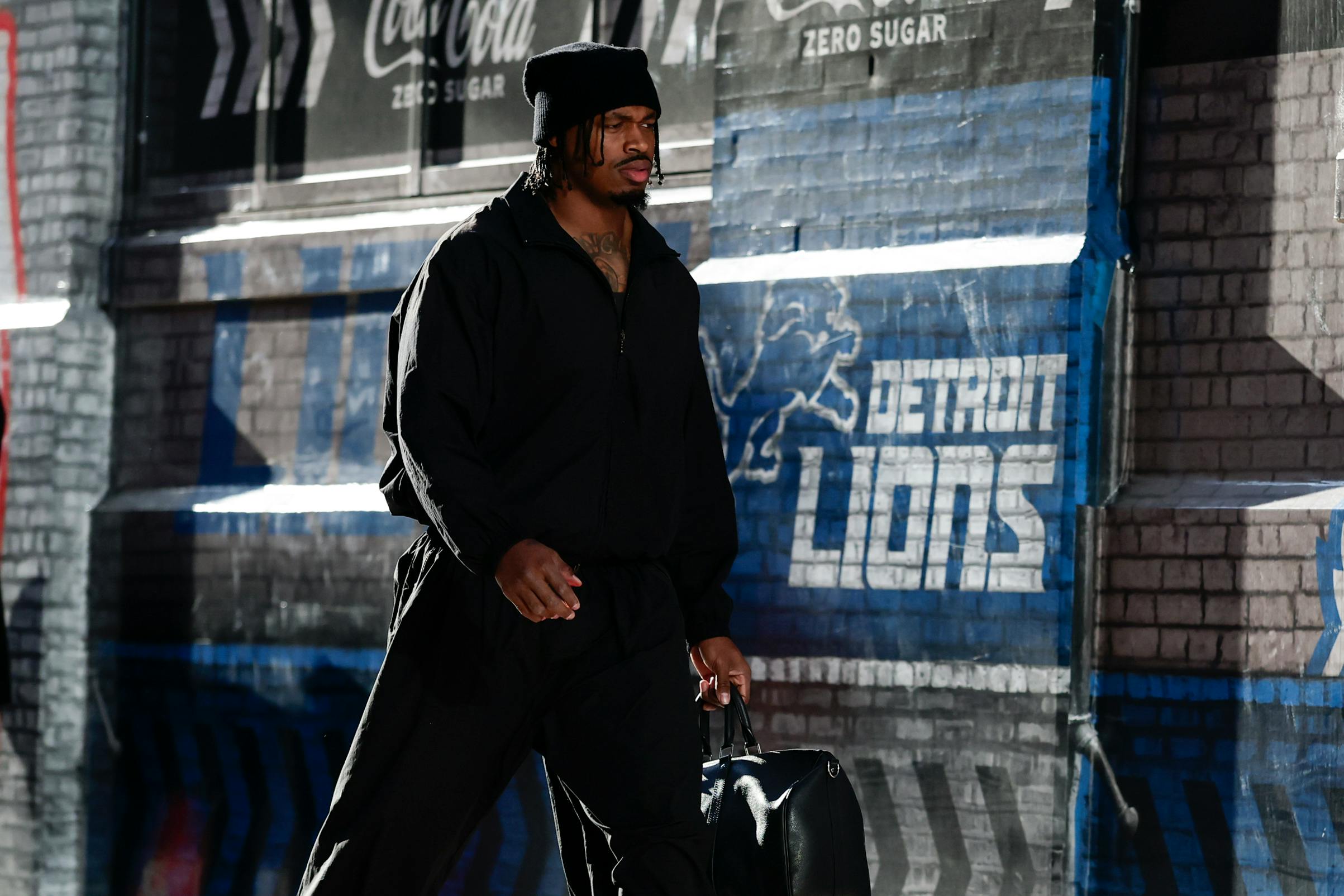
Kyle Smith Has a Job Title That Didn't Exist Before. That's the Whole Tell.
When the NFL hires a fashion editor, it's not about clothes — it's about who gets to decide what matters.
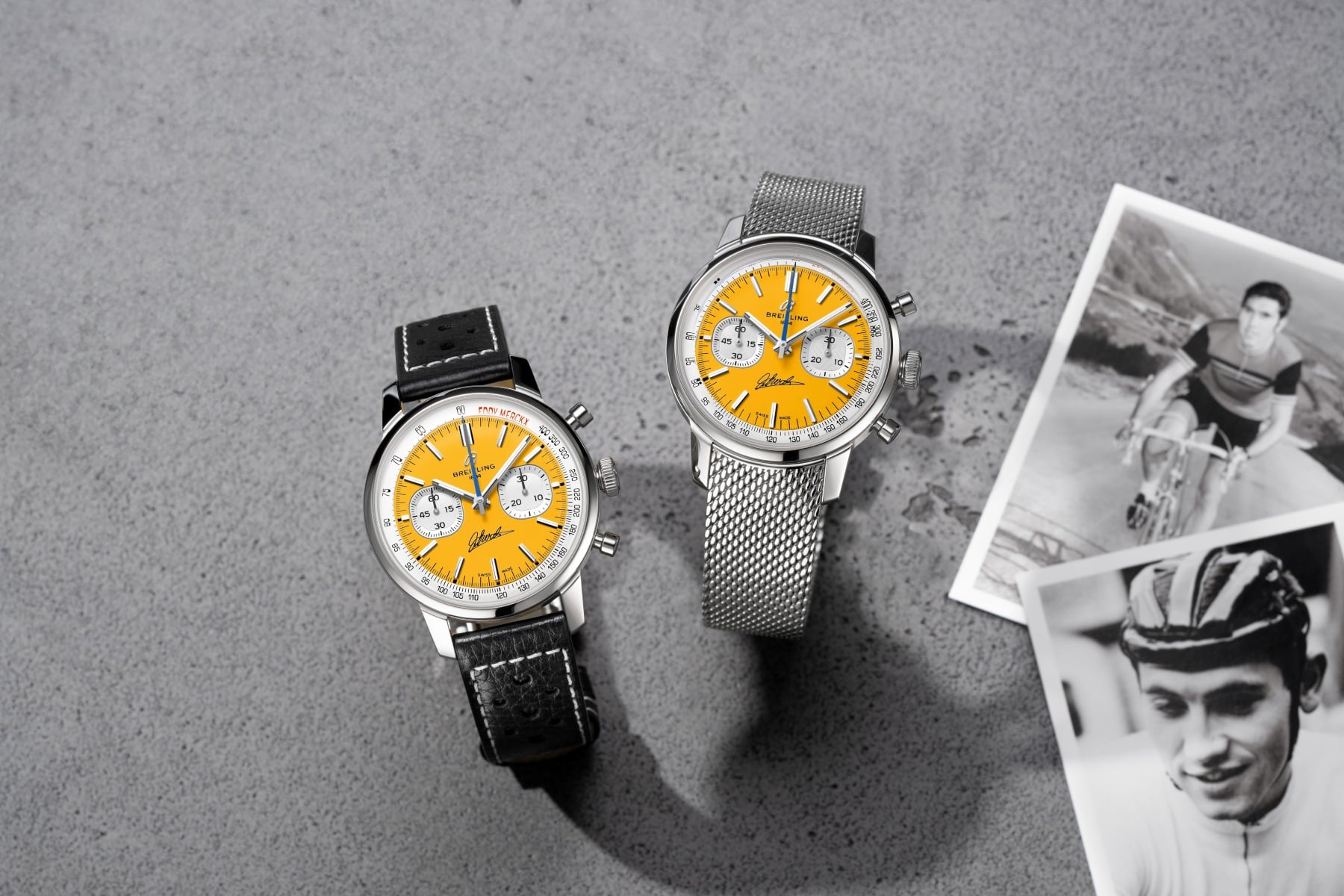
525 Victories, One Dial, and Cycling's Long Wait for a Wrist
Breitling's Eddy Merckx edition doesn't just reference a legend — it asks whether motorsport's younger sibling has finally earned its place in serious watch culture.
From the other desks.

800 Horsepower, One Ton of Doubt
Lamborghini built the most powerful SUV it's ever made. It's also slower than what it replaced.

ESPN Named Him. Then Unnamed Him. Nobody's Explaining the Gap.
A retraction without a reckoning is just a deleted link.

Hide My Email Has Been Showing Your Email
Apple's privacy flagship has a hole in it. They've known for over a year.