One Cycling Team Bought All of It. That's Not Confidence. That's Fear.
When an elite team buys out an entire production run before anyone else can test it, the story stops being about lactate.
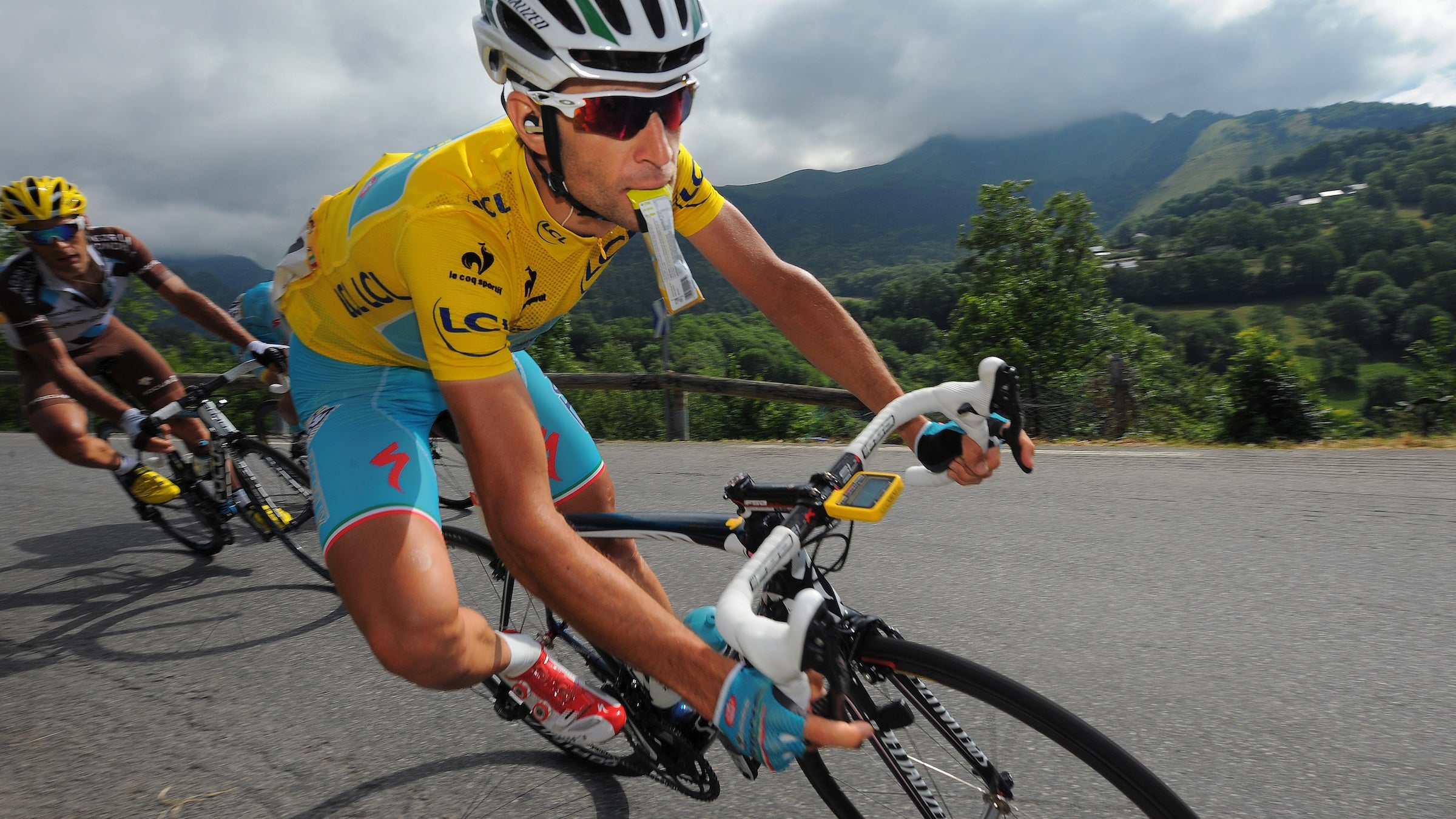
Photo · Outside Online
The Moat Before the Map
Somewhere between the lab and the peloton, performance science stopped waiting for proof.
Outside Online is running a piece about a new energy gel built around lactate — a substance that spent decades being blamed for the burning in your legs before researchers apparently reconsidered its role. The science angle is interesting enough. But buried in the coverage is the detail that stops you cold: before rivals could even get their hands on it, one elite cycling team bought the entire production run ahead of this summer's racing season.
Read that again. The whole run. Gone.
This is not the behavior of a team that believes in the product. This is the behavior of a team that believes in exclusivity — which is a different thing entirely, and a more revealing one.
What the Buyout Actually Says
There's a version of this story where the team did its due diligence, ran the numbers, trusted the science, and moved decisively. That version is possible. Elite sports organizations do occasionally get things right before everyone else.
But there's another version. One where the science is still early, the testing is incomplete, and the competitive calculus goes something like: we don't know if this works, but we know our rivals won't find out either. That's not innovation. That's hedging dressed up as confidence.
And this is where performance science has quietly developed a credibility problem with its own skepticism. The field has spent years building rigorous frameworks — marginal gains, controlled testing, peer review, longitudinal data. It earned its authority through patience. Now, apparently, a team can short-circuit the whole process by just buying out supply.
The gel might be extraordinary. Lactate's rehabilitation as a potential fuel source rather than a metabolic villain is a genuinely interesting scientific turn, and if the formulation delivers on that premise, the sport will know soon enough. But the buyout doesn't tell us anything about efficacy. It tells us about anxiety. About what happens when the competitive window feels narrow and the verification process feels slow.
At some point, the arms race stops being about who has the best science and starts being about who has the most aggressive procurement strategy. Those are not the same thing. One advances the sport. The other just moves the uncertainty around.
What makes this particular moment worth paying attention to is that cycling is already deep in a trust deficit. The sport has spent years trying to convince a skeptical public that its performance gaps are the product of legitimate innovation — nutrition, training load, recovery, aerodynamics. Every time a team does something like this, it muddies that water, even if everything inside the gel is completely above board.
Proof comes from testing. Testing requires access. Access just got bought.
The innovation may be real. The advantage may not survive being unverified. But the team made their bet anyway — and now everyone else has to decide whether to chase a rumor or wait for the data.
Patience, it turns out, is also a competitive choice.
Keep reading sports.

ESPN Named Him. Then Unnamed Him. Nobody's Explaining the Gap.
A retraction without a reckoning is just a deleted link.

Three People Died Celebrating. FIFA Hasn't Said Their Names.
Mexico City buried three people after the World Cup crowds came through. At some point, the sport has to sit with that.

Sell the Stadium, Lose the Room
NFL franchises are rolling out the welcome mat for World Cup tourists — and the desperation is showing.
From the other desks.

800 Horsepower, One Ton of Doubt
Lamborghini built the most powerful SUV it's ever made. It's also slower than what it replaced.

Gold Leaf on a Lacquer Dial, and the Weight of What That Costs
Awake's Frosted Leaf Royal Blue asks a question Vietnamese craft has never quite had to answer at this price.

Hide My Email Has Been Showing Your Email
Apple's privacy flagship has a hole in it. They've known for over a year.