Silence, Managed
Mike Vrabel held a press conference. He said almost nothing. The NFL called it accountability.
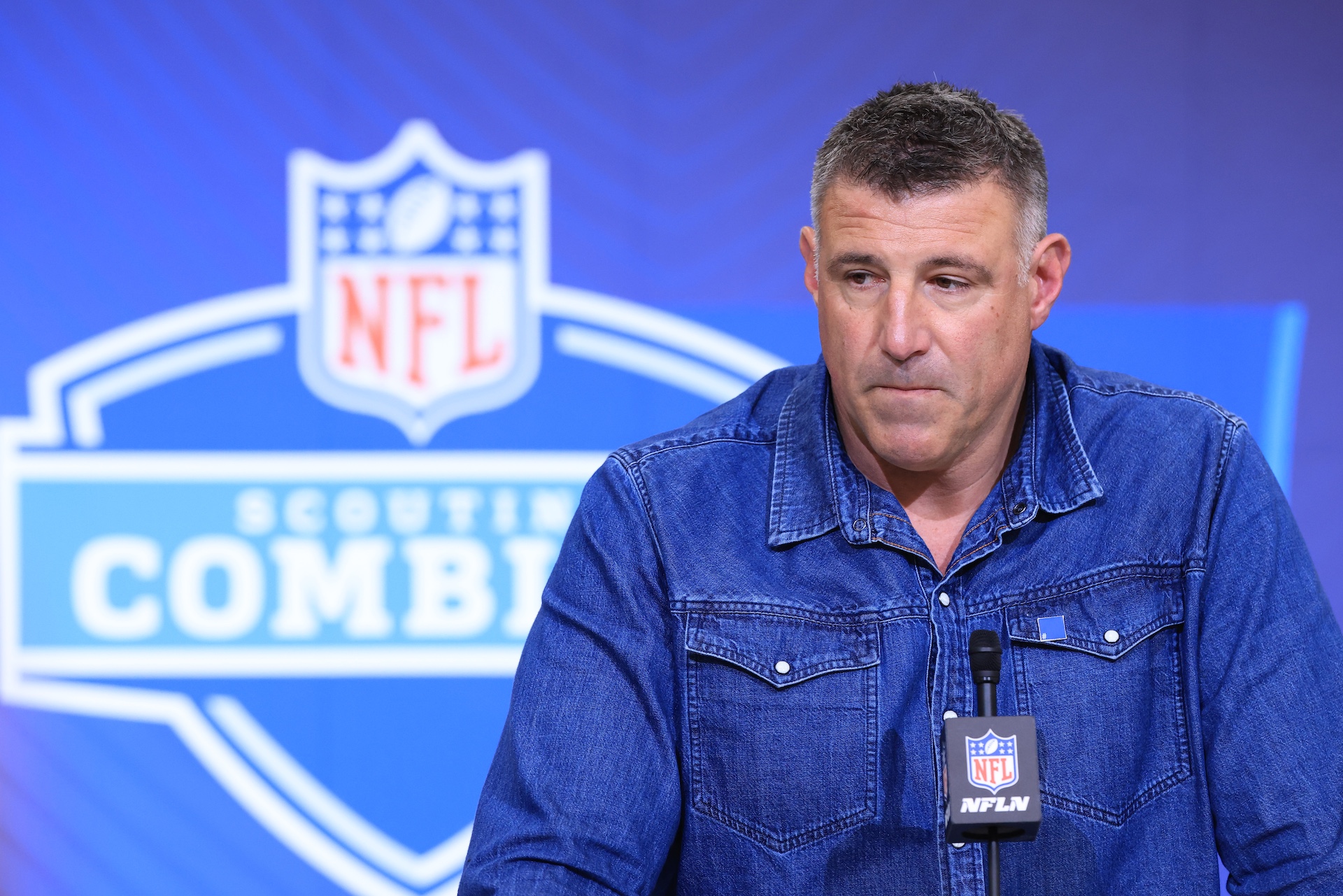
Photo · Defector
There's a version of this press conference where Mike Vrabel walks in, says something real, and walks out with a little dignity intact. That version didn't happen.
What happened instead was a masterclass in the art of saying words without saying anything. According to reporting from Defector, Vrabel never addressed the photographs directly — the ones the New York Post published showing him and then-Athletic reporter Dianna Russini embracing and holding hands at an Arizona resort. What he offered instead was the language of resolution without the substance of it: "difficult conversations," a commitment to "humility and focus," a promise that Patriots fans will get "the best version of me going forward." The Guardian confirmed the same shape of it — difficult conversations, positive outcomes, eyes ahead to the draft.
Both Vrabel and Russini have said their relationship is platonic. Maybe it is. That's not actually the story.
What Got Replaced
The story is that Dianna Russini — a working journalist — resigned from her position at the Athletic after these photos ran. A career, gone. Vrabel held a press conference and pivoted to draft prep. The asymmetry there is worth sitting with.
This is what silence management looks like in practice. You don't deny. You don't explain. You acknowledge that feelings were felt, conversations were had, and now we move forward. You signal contrition through tone rather than content. You let the press conference itself serve as the accountability event — the fact of having shown up, having stood at the podium, becomes the story, rather than anything you actually said at it.
The NFL has been running this playbook long enough that the reporters covering it have learned to accept the non-answer as the answer. Nobody in that room got what they came for. The coverage dutifully noted what Vrabel said and what he didn't. The cycle moved on.
One Cost, Unevenly Distributed
Russini is out of a job. Vrabel is preparing for the draft. Those are the facts, as reported. Draw your own line between them.
When an NFL coach steps to a podium and describes "difficult conversations" as the full accounting for something that ended another person's career, the press conference isn't accountability — it's the performance of it. And the league has gotten very good at distinguishing between the two, because the audience has agreed, implicitly, to accept the performance.
The best version of Mike Vrabel, going forward. Someone should ask what version Dianna Russini gets.
Keep reading sports.

ESPN Named Him. Then Unnamed Him. Nobody's Explaining the Gap.
A retraction without a reckoning is just a deleted link.

Three People Died Celebrating. FIFA Hasn't Said Their Names.
Mexico City buried three people after the World Cup crowds came through. At some point, the sport has to sit with that.

Sell the Stadium, Lose the Room
NFL franchises are rolling out the welcome mat for World Cup tourists — and the desperation is showing.
From the other desks.

800 Horsepower, One Ton of Doubt
Lamborghini built the most powerful SUV it's ever made. It's also slower than what it replaced.

Gold Leaf on a Lacquer Dial, and the Weight of What That Costs
Awake's Frosted Leaf Royal Blue asks a question Vietnamese craft has never quite had to answer at this price.

Hide My Email Has Been Showing Your Email
Apple's privacy flagship has a hole in it. They've known for over a year.