Stephan James Keeps Finding Men Nobody Wants to Watch Start Over
When a sports-rooted publication stakes out a film about incarceration and reinvention, the story it's really telling is about what we've decided is worth covering now.
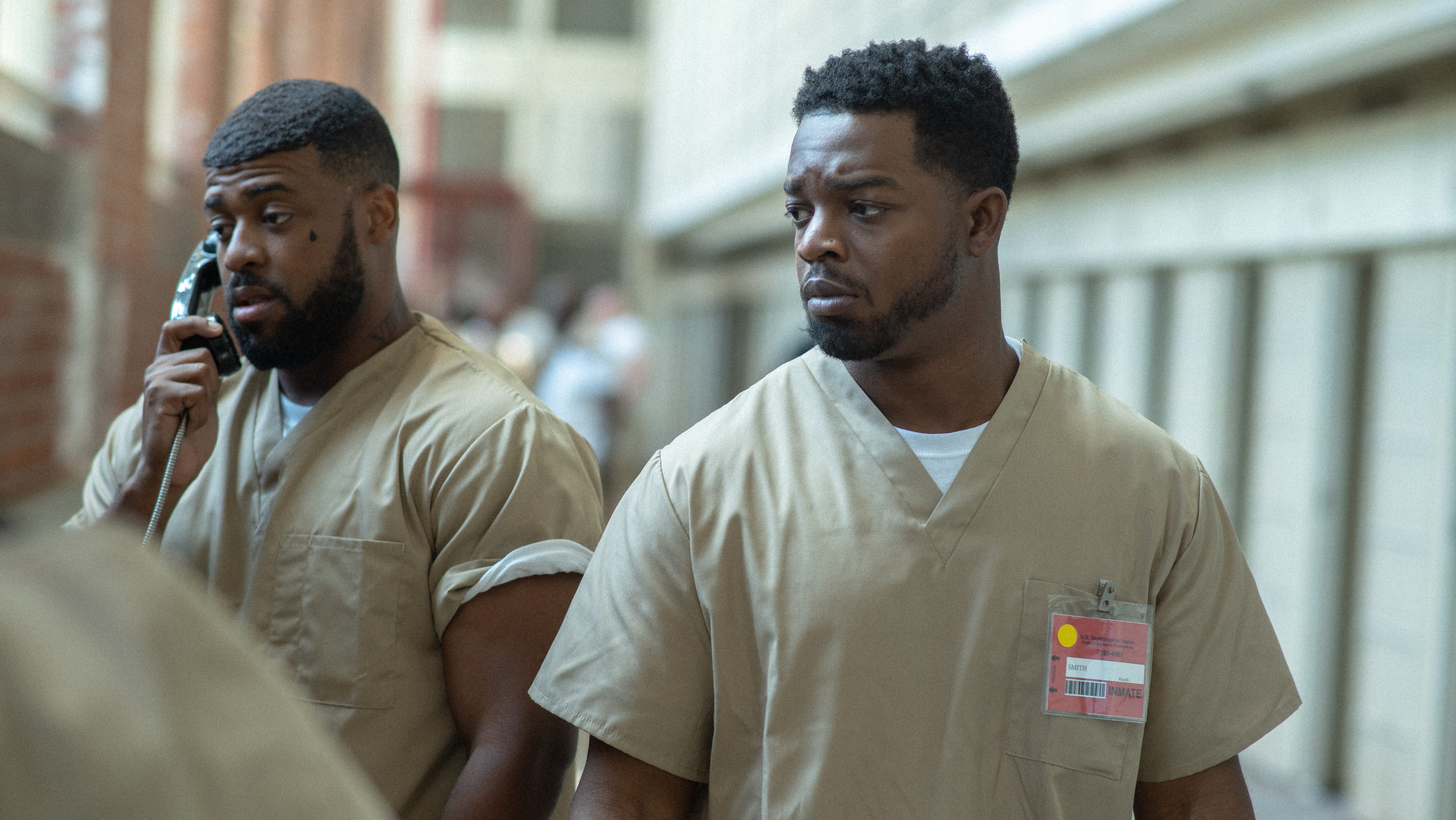
Photo · Andscape
The Frame Before the Film
There's a particular kind of story that used to live only in the back pages — the one about the man who didn't make it back. Not the comeback. Not the redemption arc with the trophy at the end. The story about what it costs to reassemble a life when the game, or the system, or both, have already moved on without you.
Andscape published a piece this week about Stephan James and Ricky, a drama that won at the 2025 Sundance Film Festival. The film is directed by Rashad Frett, and James plays a 30-year-old man named Ricky navigating life in East Hartford, Connecticut after incarceration. The review doesn't just cover the film. It stakes out territory. A publication that grew from sports coverage — from athletes, from arenas, from the kind of achievement that generates box scores — is telling its audience that this performance, this story, this particular reckoning with starting over, is exactly where their attention should go.
That's worth sitting with.
What the Choice Reveals
Sports media has been quietly expanding its emotional jurisdiction for years, and the Andscape piece on Ricky is a clean example of where that expansion has landed. The writer praises James' performance as the kind that stays with you — the kind that lingers. And in describing what James does with Ricky, the piece is essentially arguing that the most meaningful sports-adjacent stories right now aren't about victory. They're about the aftermath of systems. The long, unglamorous work of figuring out who you are when the structure that defined you — whether that's a league, a sentence, a team, a facility — releases you back into the world.
Ricky, as described, is thirty years old. He's been locked up since he was young. He's trying to navigate something that has no playbook, no coaching staff, no crowd. The drama lives in that absence of infrastructure. And the fact that a publication with sports in its DNA is leaning hard into that story says something about what audiences — and editors — now believe deserves weight.
I keep returning to the word emotional in the piece. It appears early and without apology. That used to be a quiet disclaimer in sports writing — something you'd soften with statistics or deflect with a highlight. Now it's the lead.
The Actor Who Keeps Showing Up Here
Stephan James isn't an athlete. But he keeps getting cast in the intersection of sports culture and social consequence — and Andscape keeps paying attention. That's not an accident on either side. There's a version of this coverage that would be purely celebratory: talented actor, award-winning film, here's what to know. The Andscape piece goes somewhere more specific. It wants to talk about what the film actually depicts — post-incarceration life, not as metaphor, not as backstory, but as the entire subject. The starting over is the story. Not the crime, not the sentence. The morning after the sentence ends, and the morning after that.
That's a meaningful editorial choice. And it mirrors something happening in sports coverage broadly: the growing conviction that what happens to athletes — and to people from the same neighborhoods and circumstances as athletes — after the lights go down is at least as interesting as what happens under them. Maybe more.
The profile-of-achievement model is losing ground to something rawer. Vulnerability of reinvention, the confession of the blank slate, the admission that starting over is genuinely hard and genuinely worthy of documentation — these are becoming the grammar of serious sports-adjacent storytelling. The performance review is almost secondary. What Andscape is really publishing is a permission slip: you are allowed to care about this.
What We Ask of Second Acts
I think about this in terms of what we ask of people when we tell their stories. The achievement story has a shape everyone knows. You can feel it coming. The second-act story — the real one, not the cleaned-up version — is messier and slower and asks more of the reader. It doesn't resolve cleanly. Ricky is thirty. He has time, presumably, but the film isn't making promises about that.
The fact that this story won at Sundance, and that Andscape chose to meet it with genuine critical attention rather than a calendar item, suggests that the cultural appetite for the harder story is real. Not the redemption arc with the press tour and the Netflix deal already announced. The one where a man walks out of a facility in East Hartford and has to figure out what Tuesday means now.
Sports gave us the language of the comeback. Film — and the writers willing to cover it seriously — might be the ones giving us the language for everything that comes before the comeback is even imaginable.
That's a long way from the box score. And maybe that's exactly where we needed to end up.
Keep reading sports.

ESPN Named Him. Then Unnamed Him. Nobody's Explaining the Gap.
A retraction without a reckoning is just a deleted link.

Three People Died Celebrating. FIFA Hasn't Said Their Names.
Mexico City buried three people after the World Cup crowds came through. At some point, the sport has to sit with that.

Sell the Stadium, Lose the Room
NFL franchises are rolling out the welcome mat for World Cup tourists — and the desperation is showing.
From the other desks.

800 Horsepower, One Ton of Doubt
Lamborghini built the most powerful SUV it's ever made. It's also slower than what it replaced.

Gold Leaf on a Lacquer Dial, and the Weight of What That Costs
Awake's Frosted Leaf Royal Blue asks a question Vietnamese craft has never quite had to answer at this price.

Hide My Email Has Been Showing Your Email
Apple's privacy flagship has a hole in it. They've known for over a year.