The League Didn't Fix Its Product. It Fixed Its Address.
NBA viewership is up 16%—and the story isn't about basketball.
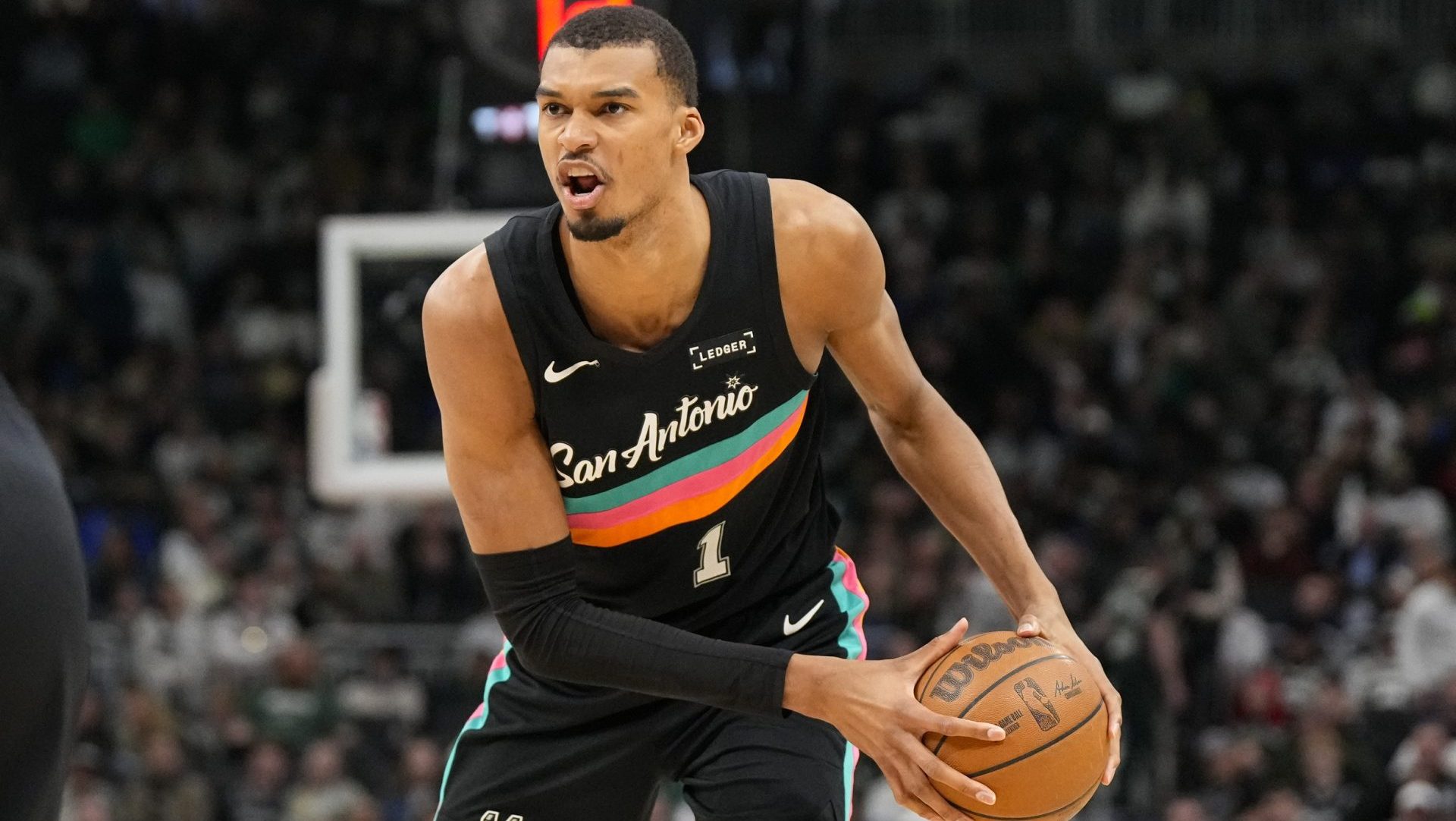
Photo · Front Office Sports
Nobody wanted to hear it, but the NBA had a distribution problem, not a content problem.
For a full season, the league absorbed the criticism. Declining ratings. A product that had supposedly lost its grip on the American sports fan. The discourse was loud, confident, and—as it turns out—almost entirely beside the point.
Because here's what happened when the new TV deals kicked in: 1.78 million viewers per telecast, on average, across ABC, ESPN, NBC, Peacock, and Prime Video. A 16% jump over the prior season. And according to the league itself, 170 million people in the U.S. watched NBA games during the regular season—a number that represents an 86% rise over the year before.
Read that again. Eighty-six percent.
The Game Didn't Change. The Door Did.
The temptation is to credit the players, the storylines, the matchups. And sure, those things matter at the margins. But the real variable here is simpler and less romantic: the NBA put its games in more places, and more people watched them.
Five platforms. Five different on-ramps for five different kinds of viewers—the cord-cutter on Prime Video, the legacy fan who still has NBC in their muscle memory, the casual scroller who stumbles onto a game on Peacock. Distribution didn't just grow the audience. It restructured who the audience even is.
This is the part the ratings-decline narrative always missed. When you measure a sport's cultural health by the numbers on one or two channels, you're not measuring the sport—you're measuring the channel. The NBA wasn't fading. It was being bottlenecked.
What the Critics Got Wrong (And Right)
To be fair to the skeptics: the scrutiny was real, and it wasn't baseless. Ratings were down. The league had genuine questions to answer about engagement, about star power, about whether the regular season still meant anything to casual fans. Those questions don't disappear because Year 1 of a new deal went well.
But there's a difference between a product people don't want and a product people can't find. The NBA, it turns out, was suffering more from the latter. Expand the footprint, lower the friction, meet the viewer where they already are—and they show up.
That's not a basketball lesson. That's a media lesson. And every other major sports league is watching.
The number that sticks with me isn't the 16%. It's the 86%. That's not incremental growth. That's a league that was being systematically underexposed finally getting seen. The product was always there. The address just changed.
Keep reading sports.

ESPN Named Him. Then Unnamed Him. Nobody's Explaining the Gap.
A retraction without a reckoning is just a deleted link.

Three People Died Celebrating. FIFA Hasn't Said Their Names.
Mexico City buried three people after the World Cup crowds came through. At some point, the sport has to sit with that.

Sell the Stadium, Lose the Room
NFL franchises are rolling out the welcome mat for World Cup tourists — and the desperation is showing.
From the other desks.

800 Horsepower, One Ton of Doubt
Lamborghini built the most powerful SUV it's ever made. It's also slower than what it replaced.

Gold Leaf on a Lacquer Dial, and the Weight of What That Costs
Awake's Frosted Leaf Royal Blue asks a question Vietnamese craft has never quite had to answer at this price.

Hide My Email Has Been Showing Your Email
Apple's privacy flagship has a hole in it. They've known for over a year.