The Weight of the Green Jacket
Six shots ahead, one round to go — and somehow Rory McIlroy is exactly where he always ends up.

Photo · Latest Headlines - The Athletic
The Familiar Feeling
Picture it: Saturday evening at Augusta, the light going golden the way it does in Georgia in April, and Rory McIlroy is still at the top of the leaderboard. That part sounds fine. That part sounds like the story you wanted. Except he started the day six shots clear and now he's tied, and the man who caught him — Cameron Young — shot a 65 to McIlroy's 73, and somewhere in the gallery, if you've been watching long enough, you've seen this before. Not this exact round. Not this exact number. But this exact feeling.
Augusta has a way of making things feel inevitable in retrospect. The Athletic noted, with a certain weary familiarity, that McIlroy has a long history of making things interesting both for himself and for everyone else watching. That framing — interesting — is doing a lot of work. It's the word you use when you've run out of explanations. When the technical analysis stops and the something-else begins.
What the Scorecard Doesn't Say
Golf.com went looking for the technical answer and found one worth considering: a persistent left miss with his irons that kept derailing McIlroy's third round. The mechanics were there. The diagnosis was there. And yet.
There's a difference between a swing flaw and a pattern. A swing flaw is correctable between holes, between rounds, with the right loop on the range and the right word from the right coach. A pattern is something else. A pattern is what happens when the mind gets ahead of the scorecard — when you're already holding the jacket in your imagination and your body hasn't finished playing the tournament. McIlroy arrived at Augusta this week as the defending champion, the holder of the Green Jacket, the man who finally ended his major drought last year. He had every reason to feel like this place was his now. And maybe that's exactly the problem.
Six shots. That's not a lead you protect — that's a lead you manage. And managing is a different sport than competing. The Guardian reported that McIlroy described his Saturday as involving intense struggle, that he knew the day wouldn't be easy. Knowing something will be hard and being prepared for it are not the same thing.
The Man Who Started Cold
Cameron Young did not have the week Rory McIlroy had. He did not arrive at Augusta with a jacket to defend or a narrative to complete. He started cold — Golf.com noted the parallel to Tiger Woods opening the 1997 Masters with a 40 on Thursday before going on to win. Young is one more good round from doing something similar. That context matters, because it reframes what we're watching on Sunday. This isn't just a story about McIlroy's wobble. It's also a story about a player who has quietly accumulated six top-ten finishes in majors over the last four seasons, per The Athletic, and who has been building toward exactly this kind of Sunday for years.
Young is the player who has nothing to lose and everything to gain. McIlroy is the player who has everything to lose and has already gained it. That's not a commentary on character — it's a commentary on weight. The weight of expectation is not distributed equally on a Sunday at Augusta, and the leaderboard, which shows two men tied at eleven under, tells you nothing about that.
What Sunday Asks
The nine players within five shots — Shane Lowry, Justin Rose, Scottie Scheffler among them, per The Guardian — means the board will move fast. It always does on Sunday at Augusta. The course has opinions. It rewards certain kinds of courage and punishes certain kinds of caution, and the difference between those two things is sometimes invisible until it's too late.
McIlroy's bag is largely the same as last year, Golf.com reported — a few updates, but continuity. The clubs are not the question. They were never the question. The question is what happens inside a person when the thing they want most is one round away, and they've been in this position before, and the last time they were in this position the thing didn't happen, and the time before that it didn't happen either, and Augusta keeps finding new ways to make them feel it.
I keep coming back to a simple truth that sport keeps demonstrating and we keep being surprised by: the hardest distance in any competition is the last stretch when you're ahead. Not because the terrain changes. Because you do.
Cameron Young and Rory McIlroy will walk to the first tee Sunday morning tied on eleven under, and by the time the shadows stretch long across the 18th green, one of them will have answered the question Augusta always asks. The other will have to wait another year to try again.
Some waits are longer than others.
Keep reading sports.
ESPN Named Him. Then Unnamed Him. Nobody's Explaining the Gap.
A retraction without a reckoning is just a deleted link.

Three People Died Celebrating. FIFA Hasn't Said Their Names.
Mexico City buried three people after the World Cup crowds came through. At some point, the sport has to sit with that.

Sell the Stadium, Lose the Room
NFL franchises are rolling out the welcome mat for World Cup tourists — and the desperation is showing.
From the other desks.

800 Horsepower, One Ton of Doubt
Lamborghini built the most powerful SUV it's ever made. It's also slower than what it replaced.
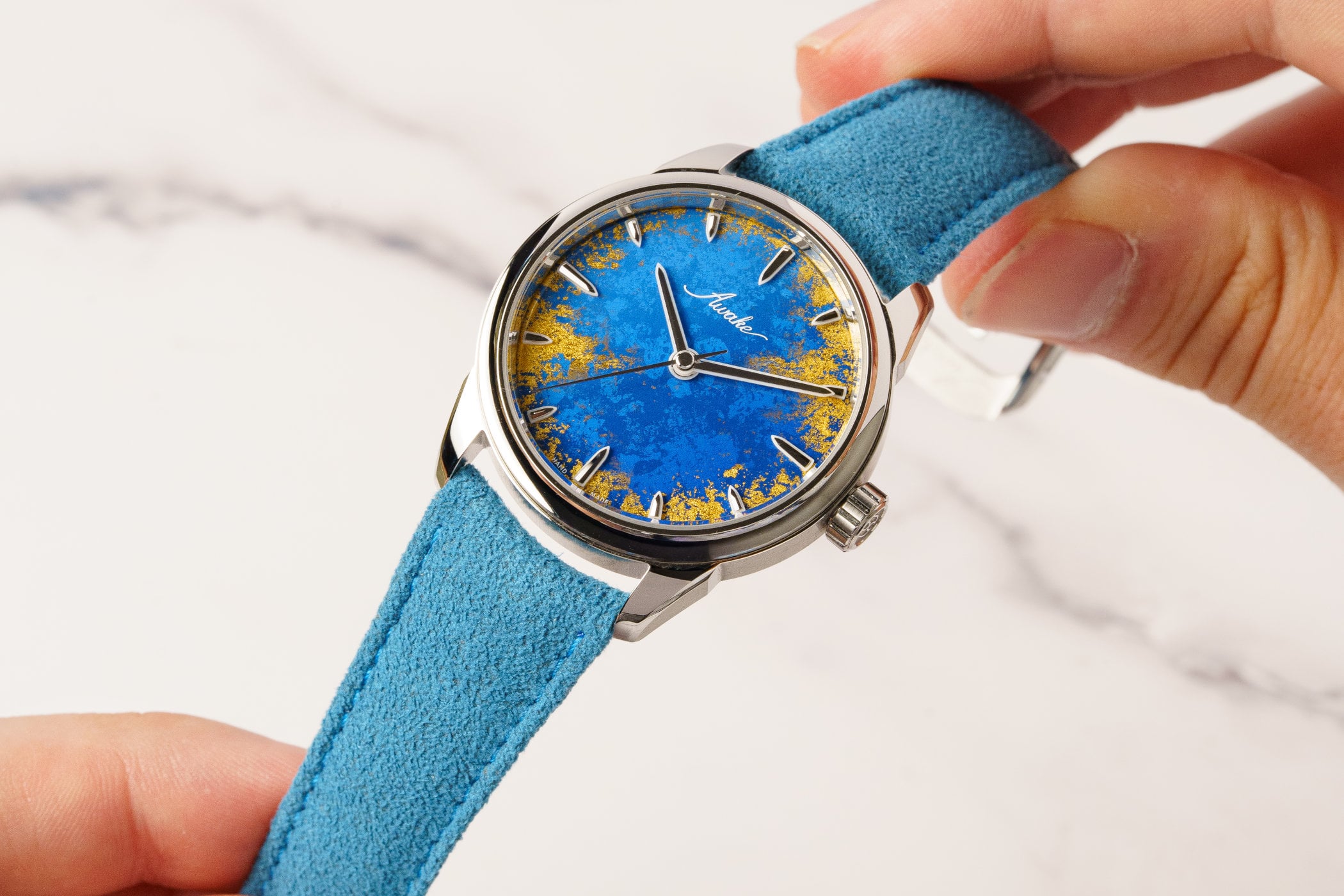
Gold Leaf on a Lacquer Dial, and the Weight of What That Costs
Awake's Frosted Leaf Royal Blue asks a question Vietnamese craft has never quite had to answer at this price.

Hide My Email Has Been Showing Your Email
Apple's privacy flagship has a hole in it. They've known for over a year.