Brian Flores Gets His Day in Court. The NFL Spent Three Years Trying to Prevent That.
The Supreme Court just handed the league its most uncomfortable outcome: sunlight.
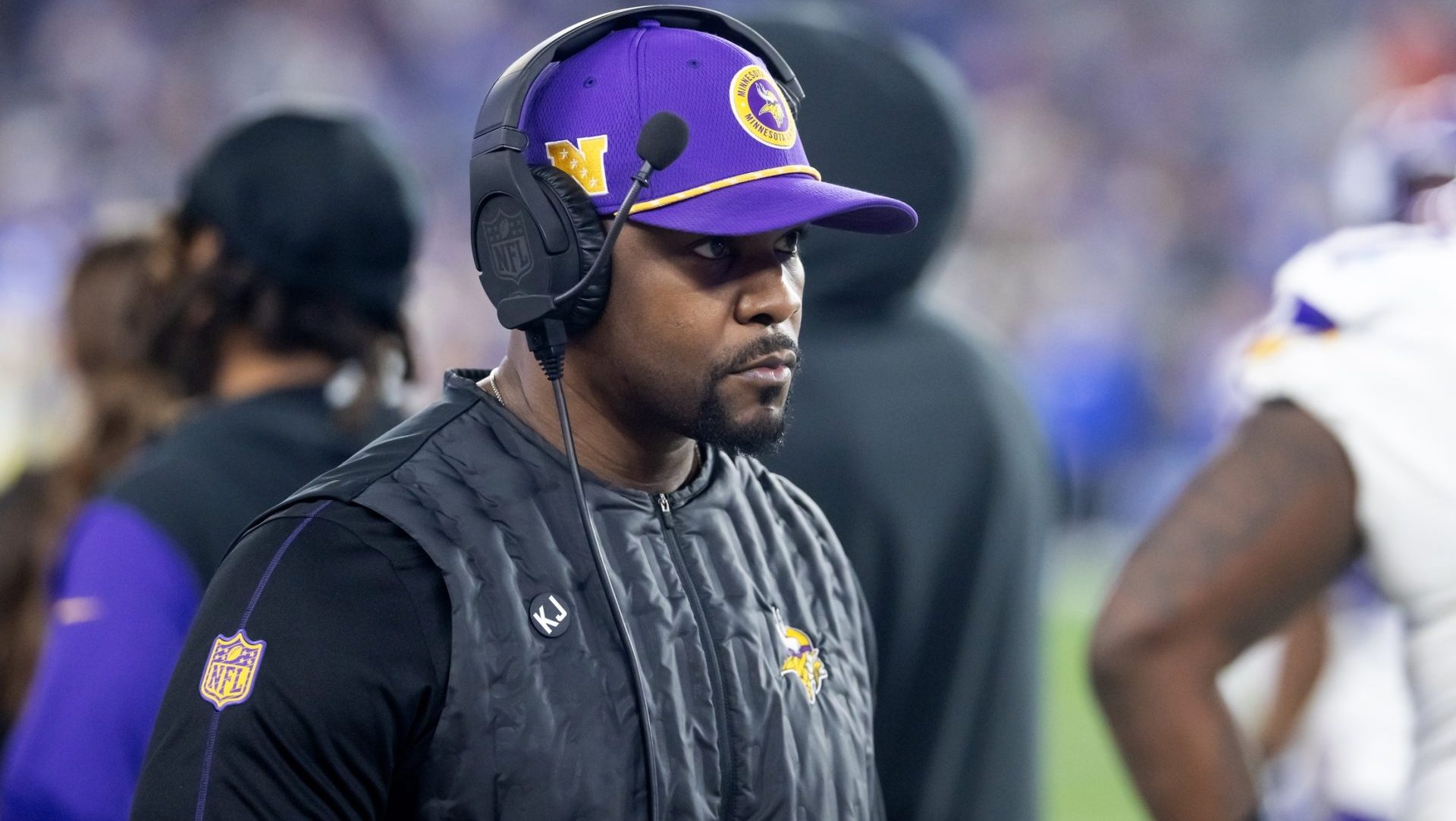
Photo · Front Office Sports
There is a version of this story where nothing changes. Where the arbitration clause holds, where the commissioner's office reviews the commissioner's office, where the whole thing disappears into a process designed to produce exactly that — disappearance. That version almost happened. It didn't.
The U.S. Supreme Court declined to intervene in Brian Flores's racial discrimination lawsuit against the NFL, clearing the way for an open trial. The league — along with the New York Giants, Denver Broncos, and Houston Texans — had petitioned the Court to send the case into arbitration. One justice, Brett Kavanaugh, dissented. The rest said no. Flores, the former Miami Dolphins head coach who filed the lawsuit in 2022, now gets what the NFL spent years trying to deny him: a public proceeding.
What Arbitration Actually Does
The NFL's argument was procedural, not moral. The league wasn't in court defending its hiring record — it was in court arguing the hiring record shouldn't be examined in court at all. That distinction matters. Arbitration, in this context, would have meant the league's own commissioner presiding over a discrimination claim against the league. Sportico noted that the case carries implications beyond football, given how many professional leagues structure their dispute resolution the same way. One entity. One arbiter. One outcome.
That structure isn't incidental. It's load-bearing. It's what makes certain conversations stay private, certain patterns stay invisible, certain men stay unaccountable. Flores's lawsuit threatened to drag that architecture into open air, which is why the NFL fought so hard on a procedural question rather than a substantive one. Process, when it works for you, becomes principle.
The Court's refusal to intervene doesn't validate Flores's claims. That's what the trial is for. But it does validate something simpler and more durable: the idea that a person alleging workplace discrimination deserves a courtroom, not a conference room.
What Comes Next
This is where the story gets interesting in ways the league never wanted.
Open trial means testimony. It means documents. It means the NFL's internal reasoning about coaching hires — who got interviews, who got callbacks, who got the job and why — becomes part of a public record. The Guardian noted the case will proceed in New York. That's not a detail; that's a venue, a jurisdiction, a media market. Whatever comes out of those proceedings will not stay quiet.
Flores filed this lawsuit three years ago. Three years of motions, appeals, and institutional resistance. The NFL has resources that most plaintiffs can't match, and it used them at every available elevation — up to and including the highest court in the country. That effort failed. One man, a former head coach who has since become the Minnesota Vikings' defensive coordinator, held on long enough to make it to the fight the league was willing to do almost anything to avoid.
There's a character study buried in that timeline. Flores didn't go away. Didn't settle quietly. Didn't accept the version of resolution the league preferred. And now the NFL has to sit across from him in open court and explain itself.
The arbitration clause was never really about efficiency. It was about who controls the story. That question just got transferred to a judge.
Keep reading sports.

ESPN Named Him. Then Unnamed Him. Nobody's Explaining the Gap.
A retraction without a reckoning is just a deleted link.

Three People Died Celebrating. FIFA Hasn't Said Their Names.
Mexico City buried three people after the World Cup crowds came through. At some point, the sport has to sit with that.

Sell the Stadium, Lose the Room
NFL franchises are rolling out the welcome mat for World Cup tourists — and the desperation is showing.
From the other desks.

800 Horsepower, One Ton of Doubt
Lamborghini built the most powerful SUV it's ever made. It's also slower than what it replaced.

Gold Leaf on a Lacquer Dial, and the Weight of What That Costs
Awake's Frosted Leaf Royal Blue asks a question Vietnamese craft has never quite had to answer at this price.

Hide My Email Has Been Showing Your Email
Apple's privacy flagship has a hole in it. They've known for over a year.