They Opened Doors They Never Got to Walk Through
Two deaths, weeks apart, and a quiet reckoning with what it costs to be first.
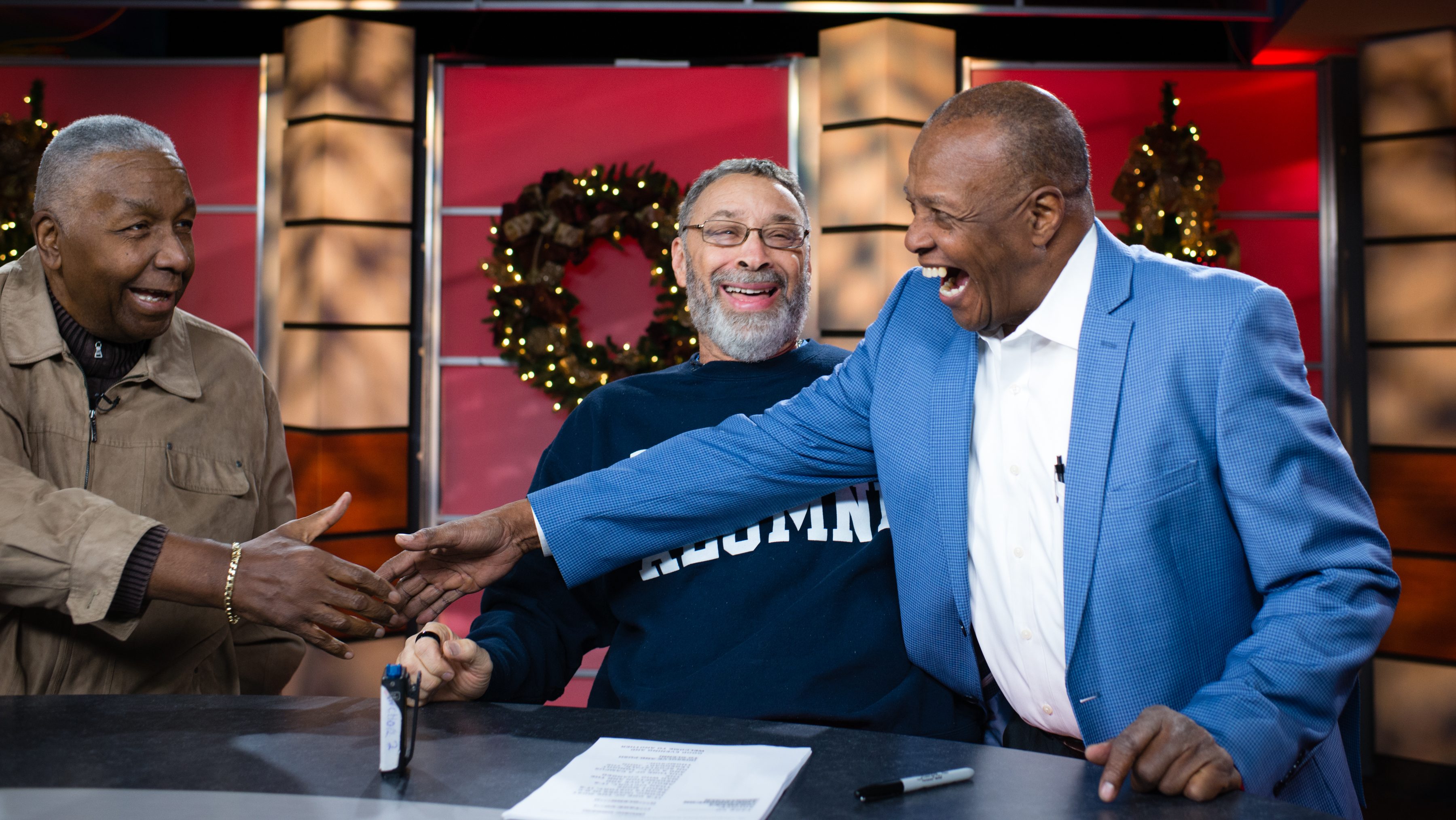
Photo · Andscape
The Weight of a Chapter Closing
Imagine spending decades building a hallway so others could reach the room. You never get to sit in the room. You spend your whole life in the hallway, making it wider, making it passable, making it real — and then you're gone before you ever see what fills the space you cleared.
That's not tragedy in the dramatic sense. It doesn't announce itself. It arrives, as one writer at Andscape put it in describing the death of journalist Charlie Neal, like a bucket of cold water — not a gut punch, not a slap, but a slow sobering. A particular chapter ending. That description stuck with me, because it gets at something that neither obituary quite said out loud: the pioneers didn't just die. They closed an era before the era could properly thank them.
Charlie Neal died at 80. Jason Collins died at 47, from brain cancer. Two deaths, weeks apart, in the same publication's pages. One man spent his career making Black journalists and HBCU sports visible in a media landscape that had no template for it. The other became the first openly gay player in NBA history, announced his retirement with two words — "I'm Out" — in a piece for The Players' Tribune, and spent the rest of his abbreviated life as what Andscape called a progressive ambassador for the league. Different lives. Different fights. The same fundamental position: standing at a threshold, holding it open for people who hadn't arrived yet.
What It Means to Be First
Being first is one of sports' most romanticized ideas. We build monuments to it. We retire numbers over it. But the actual experience of being first — the day-to-day weight of knowing you're being watched as a symbol before you're understood as a person — that part doesn't fit neatly on a plaque.
Collins came out publicly in 2013, while still an active NBA player. The coverage that followed treated it as a cultural moment, which it was. But Andscape's tribute reached for something more precise: dignity, not distraction. That phrase is doing a lot of work. It suggests that the dominant narrative around Collins — the headlines, the debate, the noise — was always at some risk of consuming the man himself. That the world's need to process his decision could have, if he'd let it, turned him into a debate instead of a person. He didn't let it. That resistance, quiet and sustained over years, was its own kind of athletic achievement.
Neal's story operates in a different register — journalism rather than sport — but the architecture is the same. He built visibility for people and institutions that the mainstream had written out of the frame. HBCU sports. Black journalists who came up after him and found a road where there had been no road. You don't build that kind of infrastructure without spending something. The Andscape piece frames his death as the close of a journalistic chapter, not just the loss of a man — which is another way of saying that what he built outlasted him, even as it was shaped entirely by him.
What the Coverage Leaves Unsaid
Read both tributes carefully and a particular absence emerges. Neither piece spends much time on what these men were denied. They're written with reverence, as they should be — but reverence has a way of smoothing over the friction. The cost of being first isn't just personal sacrifice. It's a specific kind of loneliness: you change the world incrementally, you don't get to see the world you changed, and the people who benefit most from your work are the ones most insulated from understanding what it took.
Collins was 47. That's not a long life by any measure, and it's an especially short one given how late the recognition arrived. He came out at an age when many athletes are already in their second careers. He spent years in the NBA before that moment, doing the work of being a professional basketball player, and then spent years after as something the league had never quite had to accommodate before. The brain cancer that killed him didn't care about any of that timeline. It didn't wait for a proper reckoning.
Neal at 80 had more years, but the framing of his death as a chapter closing suggests that even longevity doesn't resolve the fundamental irony of the pioneer's position. The road you build is the road others travel fastest.
What We Do With the Hallway Now
I keep coming back to that cold water image. Not a gut punch. Not a slap. A dousing — something that wakes you up to a reality that was already there, that you already knew, that you had simply not yet been forced to feel.
The sports world produces tributes fluently. We're good at them. We know how to frame a career, honor a legacy, place a person in historical context. What we're less practiced at is sitting with the discomfort underneath the tribute — the recognition that the systems these men pushed against are still largely intact, that the visibility Neal created and the dignity Collins modeled are still contested ground, still requiring someone to stand at the threshold and hold it.
They held it. They're gone now. The door is ours.
Keep reading sports.
ESPN Named Him. Then Unnamed Him. Nobody's Explaining the Gap.
A retraction without a reckoning is just a deleted link.

Three People Died Celebrating. FIFA Hasn't Said Their Names.
Mexico City buried three people after the World Cup crowds came through. At some point, the sport has to sit with that.

Sell the Stadium, Lose the Room
NFL franchises are rolling out the welcome mat for World Cup tourists — and the desperation is showing.
From the other desks.

800 Horsepower, One Ton of Doubt
Lamborghini built the most powerful SUV it's ever made. It's also slower than what it replaced.

Gold Leaf on a Lacquer Dial, and the Weight of What That Costs
Awake's Frosted Leaf Royal Blue asks a question Vietnamese craft has never quite had to answer at this price.

Hide My Email Has Been Showing Your Email
Apple's privacy flagship has a hole in it. They've known for over a year.