Apple Diversifying Away from TSMC Is the Most Expensive Admission in Silicon Valley
A preliminary deal with Intel isn't a vote of confidence — it's a confession about what TSMC concentration actually costs.
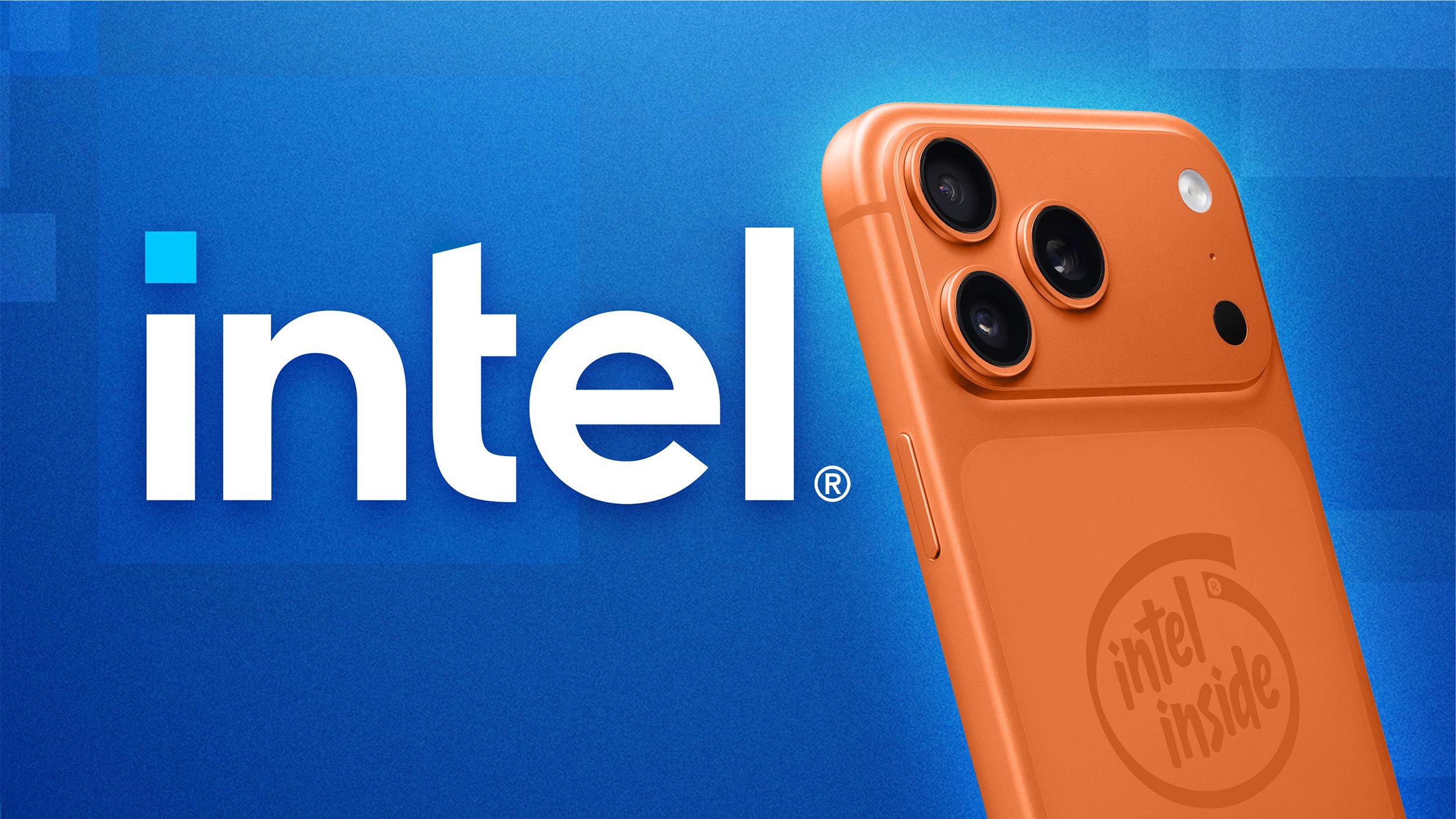
Every supply chain decision is also a statement about fear.
Apple and Intel have reportedly reached a preliminary agreement for Intel to manufacture processors for Apple devices — chips based on Apple's own designs, produced by Intel's foundry operation, much like TSMC does now. MacRumors noted the deal has been in discussion for over a year. Prior speculation had Intel handling the lower-end of Apple's chip lineup: think the entry-level M-series processors that power the more accessible iPad and Mac models, not the headline silicon.
So. Not a dramatic reversal. Not a reunion. A hedge.
The Relationship Nobody Saw Coming Back
Engadget's entire take on this was four words: Is it 2006 again? That's a joke, but it's also an honest question. Apple spent years running Intel chips in its Macs, dealing with what MacRumors described as continual delays, before designing its own Arm-based silicon and contracting TSMC to build it. The switch gave Apple something it had never fully owned before: cadence. Control over when things shipped, what they did, how they fit together. That control is not being surrendered here. Apple still designs the chips. Intel is just one more factory that might build them.
But the fact that Apple is even having this conversation — after more than a year of talks, according to reporting from The Wall Street Journal as cited across multiple outlets — tells you something about what the last few years clarified for everyone sitting at the top of the tech stack.
What TSMC Concentration Actually Looks Like as a Liability
No single source in this cluster says it plainly, so I will: this deal isn't about Intel's capabilities. It's about what happens when one foundry makes nearly everything that matters in consumer technology and that foundry sits on a small island with complicated geopolitical exposure. Apple didn't suddenly discover Intel's foundry division. Apple got serious about it after enough people in enough rooms started using the phrase single point of failure without irony.
The vertical integration story Apple has been telling for years — we design, one partner builds, the whole thing is ours — was always a story about efficiency. It turned out to also be a story about concentration risk, and concentration risk has a way of becoming undeniable exactly when you can least afford to deal with it.
Intel manufacturing some of Apple's chips doesn't fix that overnight. A preliminary deal for entry-level processors is not a structural overhaul. But it is the first visible step in what is clearly a longer repositioning — and the fact that Apple chose Intel, a company it once walked away from partly due to execution problems, suggests that the foundry options capable of meeting Apple's standards are not exactly numerous.
That's the detail worth sitting with. Not that these two companies are working together again. That Apple's list of viable alternatives was apparently short enough to make a year-plus of negotiations with an old frenemy worth the effort.
Supply chain resilience, it turns out, is not a logistics problem. It's a strategic one — and right now, it's expensive enough that even the most controlled ecosystem in consumer tech is buying insurance from someone it once fired.
Keep reading tech.

Hide My Email Has Been Showing Your Email
Apple's privacy flagship has a hole in it. They've known for over a year.

Sony Killed the Disc. Sony Is Also Killing the Store.
Two announcements, one company, and a quiet admission that "ownership" was always their word to define.
Apple Went to the Highest Court It Could Find. That Tells You Everything.
When a contempt ruling sends you to the Supreme Court, you're not defending a policy anymore — you're defending a worldview.
From the other desks.

800 Horsepower, One Ton of Doubt
Lamborghini built the most powerful SUV it's ever made. It's also slower than what it replaced.

Gold Leaf on a Lacquer Dial, and the Weight of What That Costs
Awake's Frosted Leaf Royal Blue asks a question Vietnamese craft has never quite had to answer at this price.

ESPN Named Him. Then Unnamed Him. Nobody's Explaining the Gap.
A retraction without a reckoning is just a deleted link.