Volkswagen Just Bought a Seat at the Table It Was Supposed to Own
When the world's largest automakers start writing checks to startups, that's not a partnership — it's a confession.
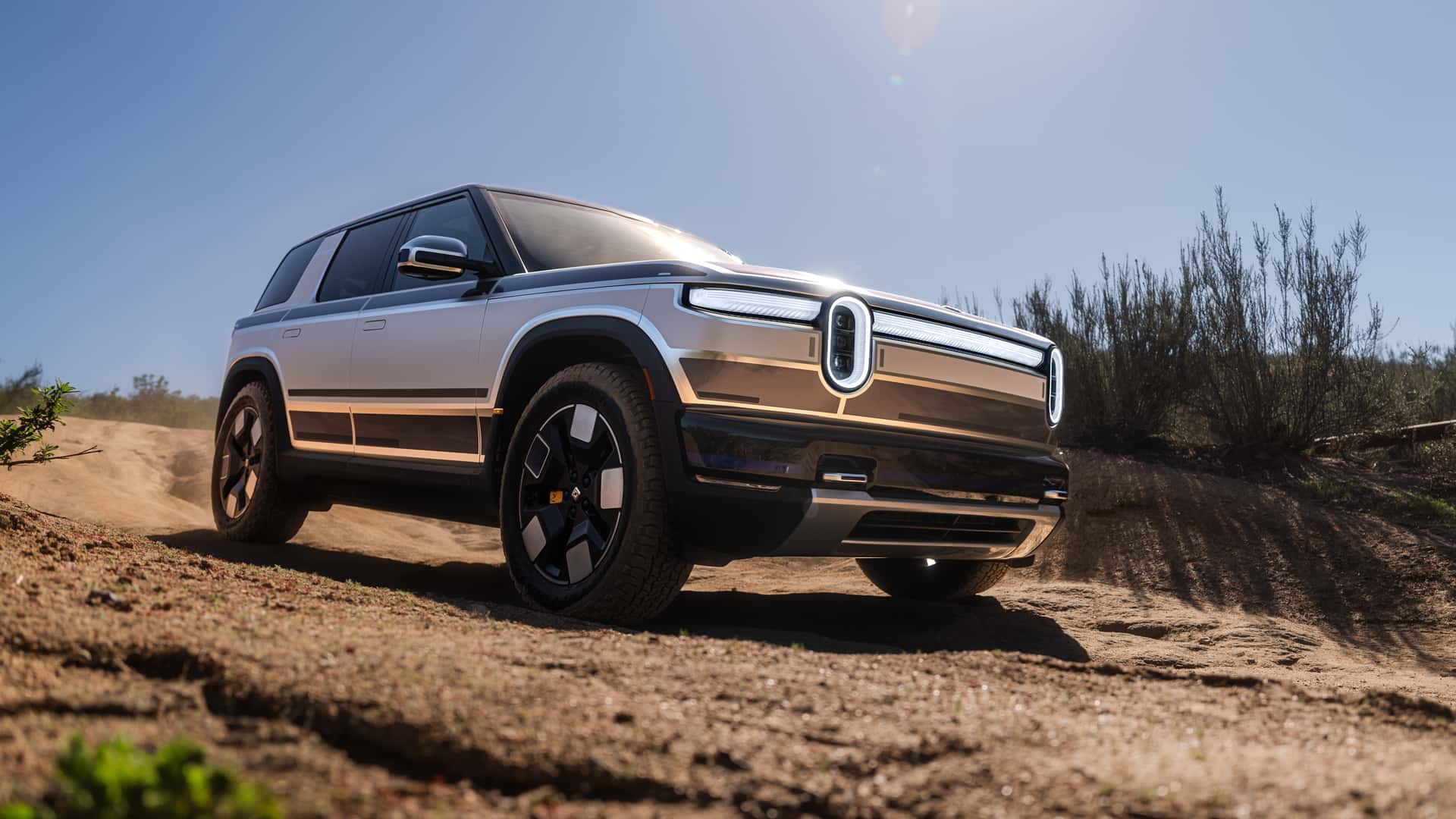
Photo · InsideEVs - Articles
Amazon built Rivian. Or close enough — the e-commerce giant became the startup's largest shareholder and, for a while, that relationship defined what Rivian was: a delivery-fleet company with pickup-truck ambitions and a powerful patron behind it.
That's no longer the arrangement. According to a piece at InsideEVs, Volkswagen has displaced Amazon as Rivian's biggest shareholder.
Sit with that for a second.
The Automaker as Venture Capitalist
Volkswagen is not a small company feeling its way through a new industry. It is one of the largest automakers on earth — a company that builds cars at a scale most manufacturers can only approximate. If anyone should have the internal resources, the engineering depth, the capital infrastructure to figure out EVs on their own terms, it is Volkswagen.
And yet here we are. VW is now the largest shareholder in a startup that has been fighting for its financial life, a company born in the American West with none of the legacy infrastructure that Volkswagen has spent decades building.
The cynical read is obvious: this is an admission. Not of failure exactly, but of something more uncomfortable — the recognition that being enormous and experienced in one era does not automatically translate into leading the next one. Legacy automakers spent years insisting that their scale, their manufacturing discipline, their dealer networks would eventually overwhelm the startups. Then the checks started coming out.
There is something almost poetic about Amazon being the one displaced here. Amazon — the company that exists to disrupt everyone else — built up Rivian, watched the startup struggle, and now finds itself bumped by a ninety-year-old German car company that needed to buy its way into an electric future it couldn't fully build alone.
What This Deal Actually Says
The InsideEVs piece frames this as a plot twist, and it earns that framing. But the more interesting question isn't the shareholder table — it's what Volkswagen is actually buying.
It is not buying trucks. It is not buying brand equity. It is buying software architecture, electrical platform thinking, and the kind of institutional knowledge that only gets built by people who never had to unlearn how to do it the old way. Rivian's engineers didn't have to forget decades of combustion muscle memory. They just built.
That knowledge gap — between knowing how to make cars and knowing how to make these cars — is exactly what no amount of internal R&D spending fully closes on a short timeline. You can hire your way toward it. You can acquire your way toward it. Apparently, you can also become someone's largest shareholder to get close to it.
This is what the auto industry looks like when the old hierarchy softens. Not collapse, not revolution — something stranger. The giants writing growth-stage checks. The disruptors becoming dependencies. Everyone, on some level, needing everyone else.
Rivian still has to survive long enough to make this partnership matter. Volkswagen still has to actually absorb whatever it's paying to learn. Neither of those outcomes is guaranteed.
But the moment Amazon stopped being the name at the top of that cap table, something shifted — and the shift is less about Rivian's future than about who finally stopped pretending the old playbook was enough.
Keep reading cars.

800 Horsepower, One Ton of Doubt
Lamborghini built the most powerful SUV it's ever made. It's also slower than what it replaced.

£11,990 Draws a Line Under Every Excuse You Had Left
Dacia just made the cheapest new car in Britain electric — and that's not a footnote, it's a verdict.
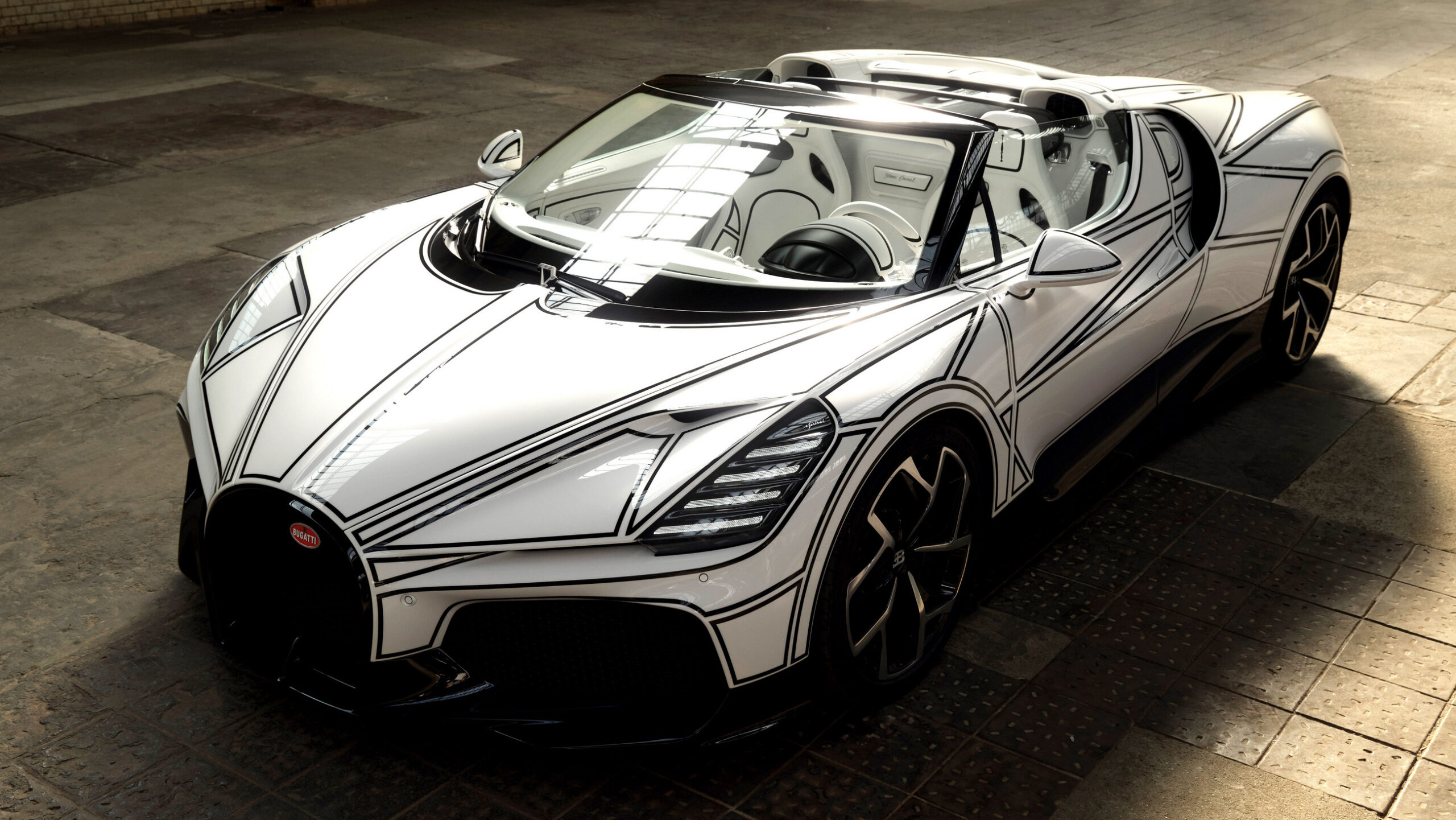
Blanc Éternel Hides Its Speed Behind a Gas Cap
Bugatti built a 261-mph roadster and made sure you'd notice the porcelain first.
From the other desks.

Gold Leaf on a Lacquer Dial, and the Weight of What That Costs
Awake's Frosted Leaf Royal Blue asks a question Vietnamese craft has never quite had to answer at this price.

ESPN Named Him. Then Unnamed Him. Nobody's Explaining the Gap.
A retraction without a reckoning is just a deleted link.

Hide My Email Has Been Showing Your Email
Apple's privacy flagship has a hole in it. They've known for over a year.