Toyota Sold More Cars Than Anyone and Still Lost Half Its Profit
Record volume, a record tariff bill, and a CEO who just inherited the math.
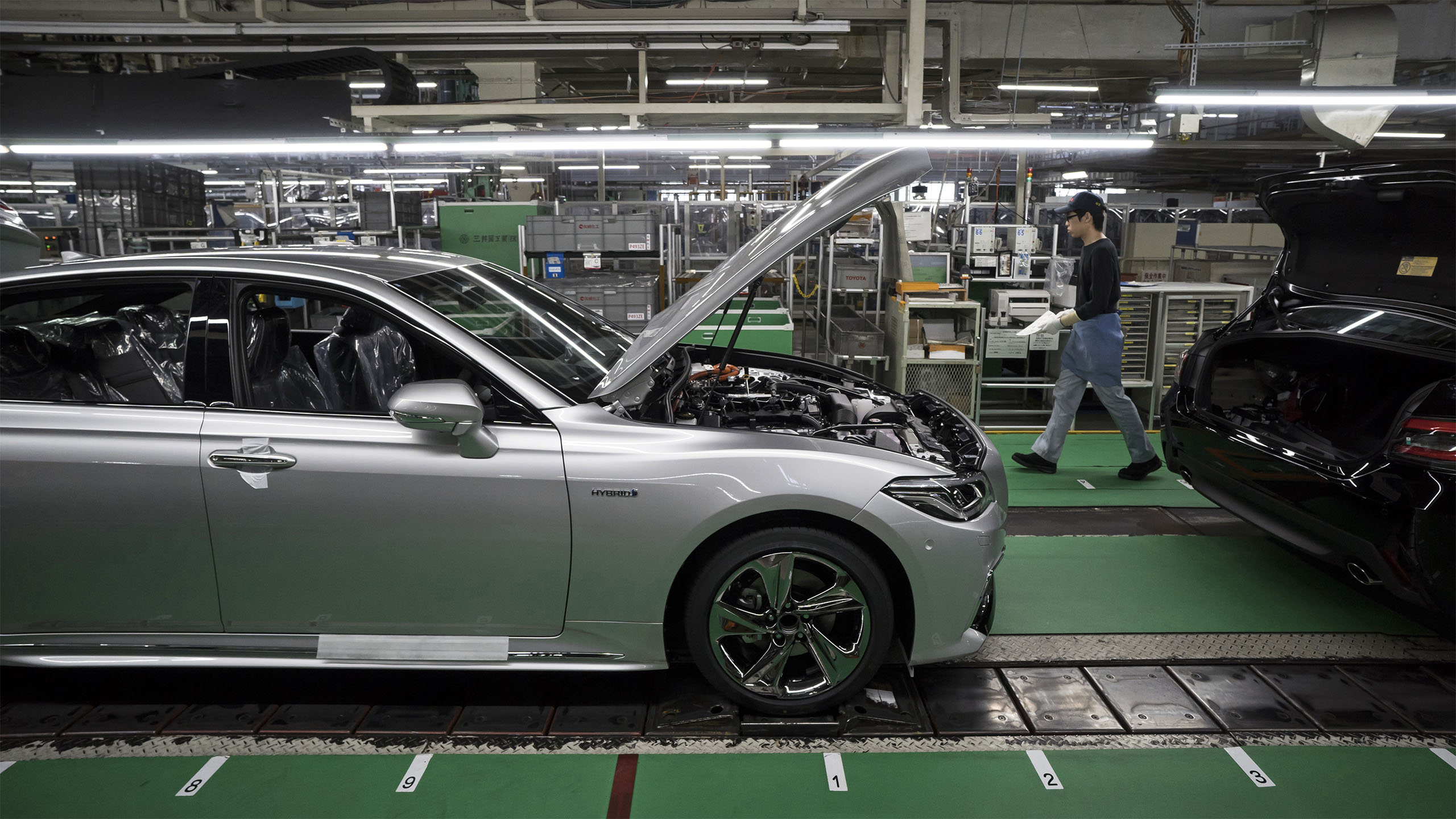
Photo · The Drive
Scale was supposed to be the answer. Move enough metal, absorb enough cost, outlast the disruption. Toyota bet on that logic for decades — and for decades, it worked.
Then the bill came.
According to reporting from both The Drive and Carscoops, Toyota is now staring down an $8.8 billion tariff hit that contributed to a profit forecast cut of more than 20%. This wasn't a slow quarter in a soft market. Toyota had a record sales year. The volume was there. The demand was real. And it still didn't matter enough, because the transition — the electrification, the R&D, the regulatory churn — is now running faster than scale can compensate for.
That's the uncomfortable truth sitting underneath all the headlines: being the world's largest automaker no longer immunizes you from the economics of being in the middle of a technology shift. It might actually make it worse.
The Squeeze Has Two Jaws
Tariffs are the visible wound, but R&D costs are the one that doesn't stop bleeding. The Drive reported that both factors together cut Toyota's quarterly profit roughly in half. These aren't separate problems with separate solutions — they're the same problem viewed from different angles. One is the cost of where you're selling. The other is the cost of where you're going. A company can negotiate one. You can't negotiate the other away.
Carscoops framed it clearly: the reasons behind the forecast cut aren't going away soon. That's the part worth sitting with. This isn't a tariff that expires, a supply shock that clears, a bad quarter in an otherwise clean year. The structural drag is baked in now — and a newly installed CEO, as The Drive noted, inherits it on day one.
There's something almost cinematic about the timing. Record sales. New leadership. And a balance sheet that looks like it got hit by weather.
What Record Volume Actually Means Now
For a long time, volume was the moat. Build the supply chain, spread the fixed costs, move more units than anyone else, and you operate at an efficiency that competitors simply can't match. It was boring and it was brilliant.
But an $8.8 billion tariff bill doesn't care about your supply chain efficiency. It lands on the revenue side and it stays there until the policy changes or you restructure where you build things — which costs money you're trying to protect. R&D obligations don't scale down because your profit margin compressed. You're spending toward a future that's mandatory, not optional, while absorbing costs in the present that were supposed to be temporary.
Record sales couldn't outrun it. That's not a headline. That's a warning.
The machine is still running — the factories, the logistics, the sales numbers that make competitors look sideways. But the profit that used to trail behind volume like a shadow has started to detach. Toyota is learning what every automaker will eventually learn: in the middle of a platform transition, yesterday's strength is a liability in the budget meeting.
Being the biggest just means you have the most to relearn.
Keep reading cars.

800 Horsepower, One Ton of Doubt
Lamborghini built the most powerful SUV it's ever made. It's also slower than what it replaced.

£11,990 Draws a Line Under Every Excuse You Had Left
Dacia just made the cheapest new car in Britain electric — and that's not a footnote, it's a verdict.
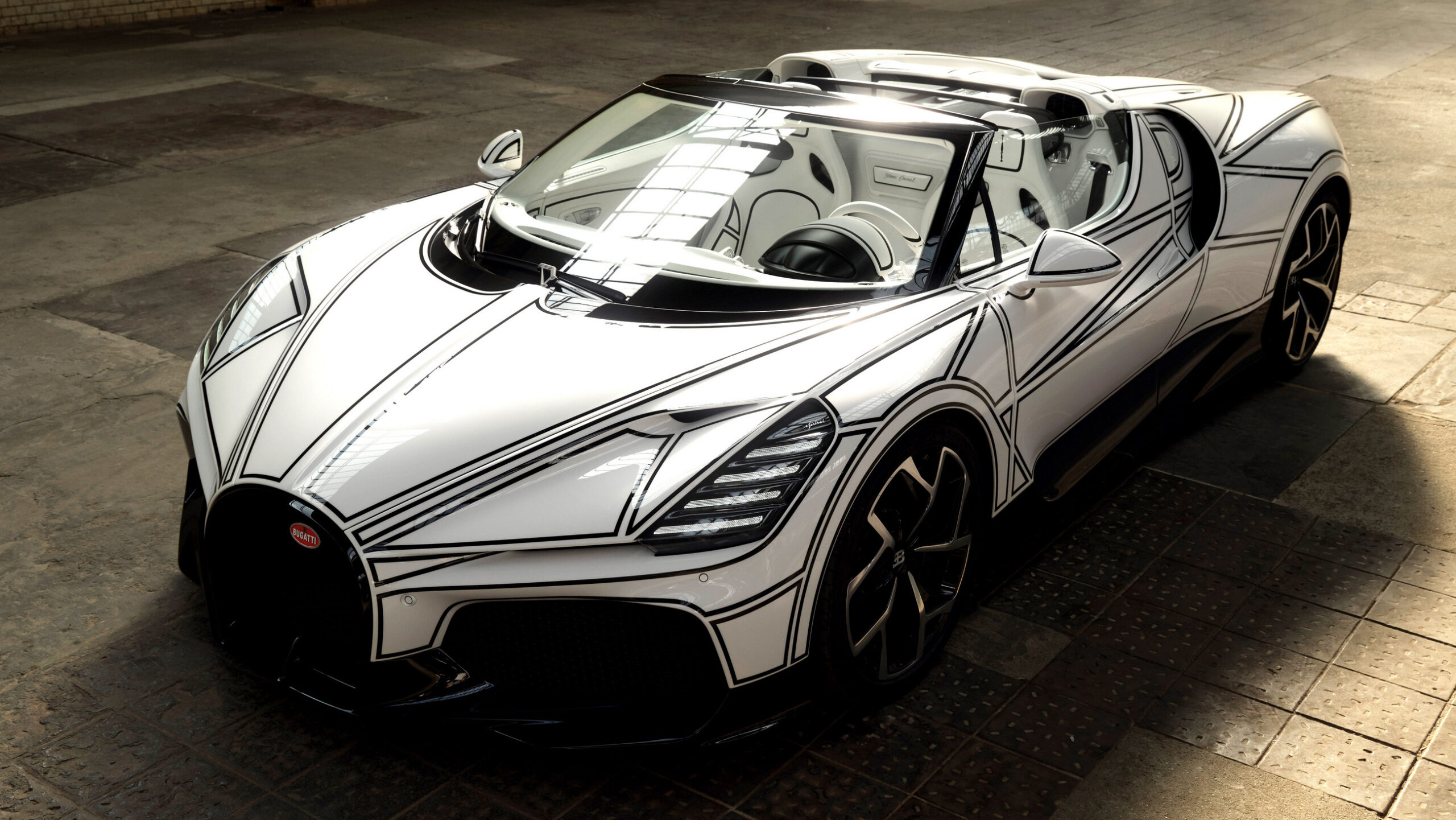
Blanc Éternel Hides Its Speed Behind a Gas Cap
Bugatti built a 261-mph roadster and made sure you'd notice the porcelain first.
From the other desks.

Gold Leaf on a Lacquer Dial, and the Weight of What That Costs
Awake's Frosted Leaf Royal Blue asks a question Vietnamese craft has never quite had to answer at this price.

ESPN Named Him. Then Unnamed Him. Nobody's Explaining the Gap.
A retraction without a reckoning is just a deleted link.

Hide My Email Has Been Showing Your Email
Apple's privacy flagship has a hole in it. They've known for over a year.