Apple Used to Write the Rules on Memory. Nvidia Changed the Game.
A JPMorgan analysis says iPhone memory costs could quadruple by 2027 — and the story underneath that number is about who's calling the shots now.
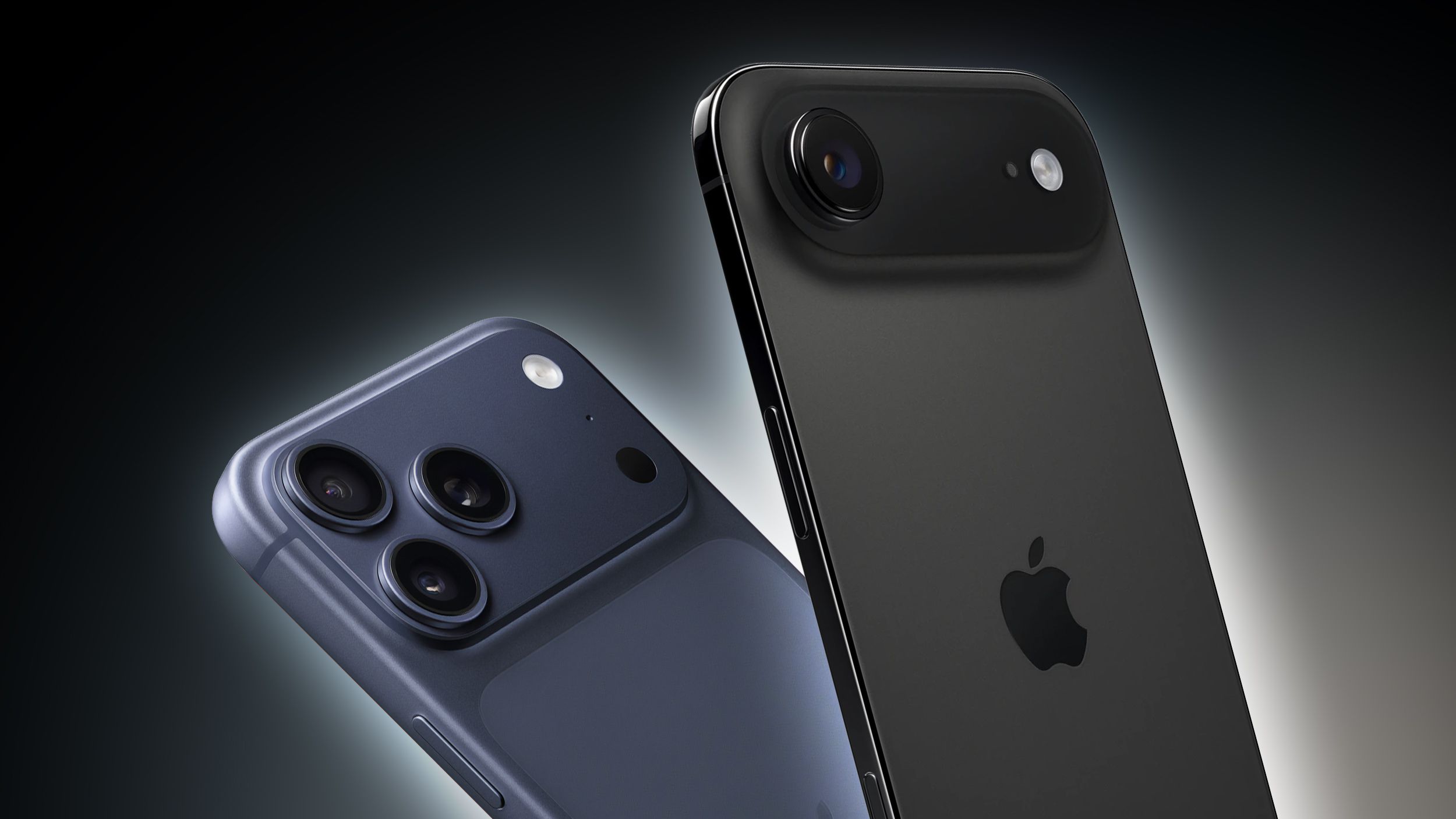
From Setter to Taker
For a long time, being Apple's supplier was a particular kind of pressure. You delivered on Apple's terms, at Apple's price, on Apple's schedule — or someone else did. That leverage was structural, almost gravitational. Apple buys memory for roughly 250 million iPhones a year. You don't walk away from that table.
So it's worth sitting with what a JPMorgan analysis, cited by the Financial Times, is actually saying when it projects that memory could account for as much as 45 percent of an iPhone's component costs by 2027 — up from around 10 percent today. The numbers are dramatic enough. But the implication is more interesting than the math.
Apple has reportedly shifted from a position where it could set terms to one where it now has to compete for supply. That sentence should land harder than it probably will.
When the Bigger Buyer Shows Up
The mechanism here isn't complicated, but it is revealing. AI infrastructure buyers — Nvidia is named specifically in the coverage — are reportedly outbidding consumer electronics makers for limited memory supply from Samsung, SK Hynix, and Micron. Cloud companies are apparently making upfront commitments that consumer hardware simply can't match. The data center build-out for frontier AI models has created a different kind of customer: one whose demand is less predictable in timing but far more aggressive in price tolerance.
This is what a supply chain power shift actually looks like. It's not a dramatic rupture. It's a slow reordering of who matters most to the people holding the inventory. Apple matters enormously — 250 million units a year is not a rounding error — but apparently not as much as it used to, relative to whoever is funding the next generation of compute infrastructure.
The wry observation here is that Apple spent years being the disruptive force that rearranged other industries' economics. Now the AI gold rush is doing the same thing to Apple's. It's not schadenfreude. It's just the cycle completing.
What happens to iPhone pricing if memory costs are genuinely headed toward nearly half of total component costs is a question the analysis raises without fully answering. Apple has options — absorb margin compression, pass costs to consumers, find engineering workarounds — but none of them are comfortable, and some of them have downstream consequences that are hard to model. A writer covering the JPMorgan analysis notes the projection but doesn't pretend to know which path Apple takes. Smart. Nobody does.
What we do know is that the AI infrastructure buildout has created a structural competitor for the same chips that go into the devices most people carry in their pockets. And that competitor is currently better capitalized, more aggressive, and less price-sensitive than any consumer electronics market has ever been.
Apple didn't lose its leverage overnight. But leverage, it turns out, is only permanent until someone shows up with a bigger check.
Keep reading tech.

Hide My Email Has Been Showing Your Email
Apple's privacy flagship has a hole in it. They've known for over a year.

Sony Killed the Disc. Sony Is Also Killing the Store.
Two announcements, one company, and a quiet admission that "ownership" was always their word to define.

Apple Went to the Highest Court It Could Find. That Tells You Everything.
When a contempt ruling sends you to the Supreme Court, you're not defending a policy anymore — you're defending a worldview.
From the other desks.

800 Horsepower, One Ton of Doubt
Lamborghini built the most powerful SUV it's ever made. It's also slower than what it replaced.

Gold Leaf on a Lacquer Dial, and the Weight of What That Costs
Awake's Frosted Leaf Royal Blue asks a question Vietnamese craft has never quite had to answer at this price.

ESPN Named Him. Then Unnamed Him. Nobody's Explaining the Gap.
A retraction without a reckoning is just a deleted link.