Dario Amodei Thinks We're Not Ready. His Company Is Building It Anyway.
When the person holding the match warns you about fire, the warning doesn't slow anything down — it just makes the burn more poetic.
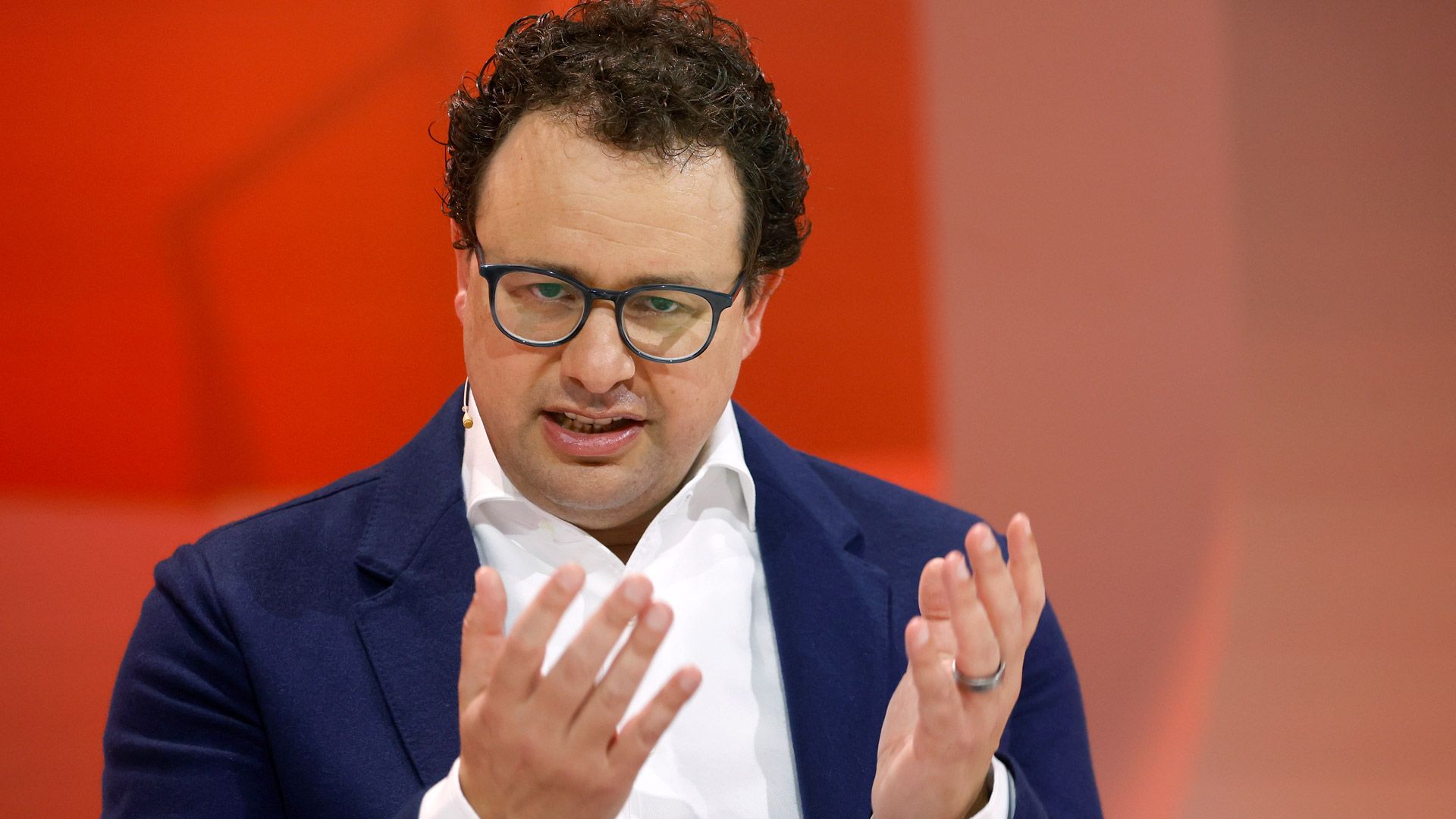
Photo · Latest from TechRadar
The Confession Is the Product Now
Something interesting happened when the CEO of Anthropic said, in effect, that humanity might not be mature enough to handle what his company is about to hand it. Nothing slowed down. No pause. No pivot. Just the quote, the headlines, and the roadmap humming along underneath.
A writer at TechRadar flagged the remark — Anthropic's chief musing openly on the implications of achieving superpowerful AI within the next few years, describing the power humans are about to receive as "almost unimaginable" and expressing doubt about whether we collectively possess the maturity to wield it. The piece treats this as a warning worth noting. And it is. But the more interesting story is what the warning does — or rather, what it conspicuously doesn't do.
We've arrived at a strange moment in the AI conversation. The people with the most credibility to sound the alarm are the people building the thing. And they've started sounding it. Which sounds like accountability until you realize it might just be a new genre of PR.
What Existential Honesty Buys You
There's a version of this where the candor matters. A CEO publicly acknowledging that the technology outpaces human maturity is at least more honest than the alternative — the relentless optimism of "this time we'll get it right," the vague gestures toward responsible deployment while shipping faster than any governance structure can follow. Credit where it's due: naming the problem clearly is not nothing.
But here's the thing I keep coming back to. The confession and the construction are happening simultaneously. The warning doesn't precede the work. It accompanies it. Which means the warning is, functionally, a form of disclosure — like a cigarette company funding cancer research. It doesn't stop the cigarettes. It just means you knew.
AI existentialism has a credibility problem now precisely because it's become so fluent. The language of risk, maturity, collective readiness — these aren't outsider critiques anymore. They're inside voices. They're founder voices. And inside voices that don't change behavior are just aesthetics.
The TechRadar piece surfaces something real by publishing the quote straight. No editorializing needed. The raw material is doing its own work: here is the person accelerating toward a cliff, telling you the brakes feel soft. What you do with that information is on you. What he does with it is apparently to keep driving.
Maybe that's unfair. Maybe the bet is that slowing down unilaterally just means someone less thoughtful gets there first — a logic the industry has rehearsed so many times it's practically liturgy. Maybe the maturity problem is real and the only move is to be the careful hand on something that's going to exist regardless.
Or maybe the moment a CEO's doubt becomes a quote of the day, it's already been metabolized. Already made safe. Already converted from friction into narrative.
The most honest reading of where we are: the people building transformative AI have gotten very good at worrying out loud, and very practiced at continuing anyway. That's not hypocrisy, exactly. It's something more uncomfortable — a situation where the warning and the acceleration are the same gesture, and the rest of us are left deciding whether the confession is courage or cover.
I don't think Dario Amodei is wrong about human maturity. I think he's right, and I think that rightness has been priced in.
Keep reading tech.

Hide My Email Has Been Showing Your Email
Apple's privacy flagship has a hole in it. They've known for over a year.

Sony Killed the Disc. Sony Is Also Killing the Store.
Two announcements, one company, and a quiet admission that "ownership" was always their word to define.
Apple Went to the Highest Court It Could Find. That Tells You Everything.
When a contempt ruling sends you to the Supreme Court, you're not defending a policy anymore — you're defending a worldview.
From the other desks.

800 Horsepower, One Ton of Doubt
Lamborghini built the most powerful SUV it's ever made. It's also slower than what it replaced.

Gold Leaf on a Lacquer Dial, and the Weight of What That Costs
Awake's Frosted Leaf Royal Blue asks a question Vietnamese craft has never quite had to answer at this price.

ESPN Named Him. Then Unnamed Him. Nobody's Explaining the Gap.
A retraction without a reckoning is just a deleted link.