Microsoft Bought Call of Duty to Bundle It. Now It's Unbundling It.
A price cut dressed as good news is still a confession.

Photo · The Verge
Here's what actually happened: Microsoft spent billions acquiring Activision Blizzard, spent months telling regulators and consumers that Call of Duty staying on Game Pass was the whole value proposition, and then — the moment the price got uncomfortable — quietly walked it back.
The numbers are real. Xbox Game Pass Ultimate drops from $29.99 to $22.99 a month. PC Game Pass moves from $16.49 to $13.99. Effective immediately, per multiple outlets covering the announcement. Those are meaningful cuts on paper.
The trade is also real. New Call of Duty titles will no longer land on Game Pass Ultimate or PC Game Pass at launch. According to The Verge, they'll arrive roughly a year later — around the following holiday season. Existing titles in the library stay. Future ones make you wait.
The Admission Hidden in the Math
New Microsoft Gaming CEO Asha Sharma said it plainly in a memo that leaked before the announcement, then repeated it publicly: Game Pass "has become too expensive for players." Engadget flagged Sharma's follow-up post on X where she acknowledged the need for "a better value equation" and signaled that the service would evolve into something more flexible over time.
That's not spin. That's a company telling you it overbuilt the thing.
The logic of bundling Call of Duty into Game Pass was always a little circular. You raise the price to justify the content, the content justifies the price, and somewhere in that loop you assume the subscriber follows. But subscribers have budgets. And $30 a month for a gaming subscription — before you've bought a single thing — starts to feel like a second utility bill.
So now the math gets reversed. Lower the price, delay the flagship, and hope the people who left come back while the people who stayed feel like they won something.
What This Actually Tells You About the Model
The subscription model for games has always had a structural problem that the music and TV analogies paper over: not every game is a song. A song costs the same to stream whether it came out in 2003 or last Tuesday. A new Call of Duty costs the same to develop whether it lands in a bundle or sells at full retail. The economics only work if the bundle price holds — and apparently, it didn't.
This isn't a collapse. Microsoft isn't walking away from Game Pass. Sharma's memo, as reported, points toward a more flexible system down the road — whatever that ends up meaning. But the direction of travel is clear: the all-you-can-eat model at a premium price point didn't stick, and the company is now trying to find a different shape for the thing.
You've seen this before. Every subscription service eventually hits the ceiling where adding more content requires raising the price, and raising the price loses you the customers the content was supposed to attract. The response is always the same: restructure, reframe, and announce it like a gift.
The gift here is seven dollars a month. The cost is waiting a year for the game everyone will be talking about in November.
Whether that trade lands depends entirely on why you subscribed in the first place.
Keep reading tech.

Hide My Email Has Been Showing Your Email
Apple's privacy flagship has a hole in it. They've known for over a year.

Sony Killed the Disc. Sony Is Also Killing the Store.
Two announcements, one company, and a quiet admission that "ownership" was always their word to define.
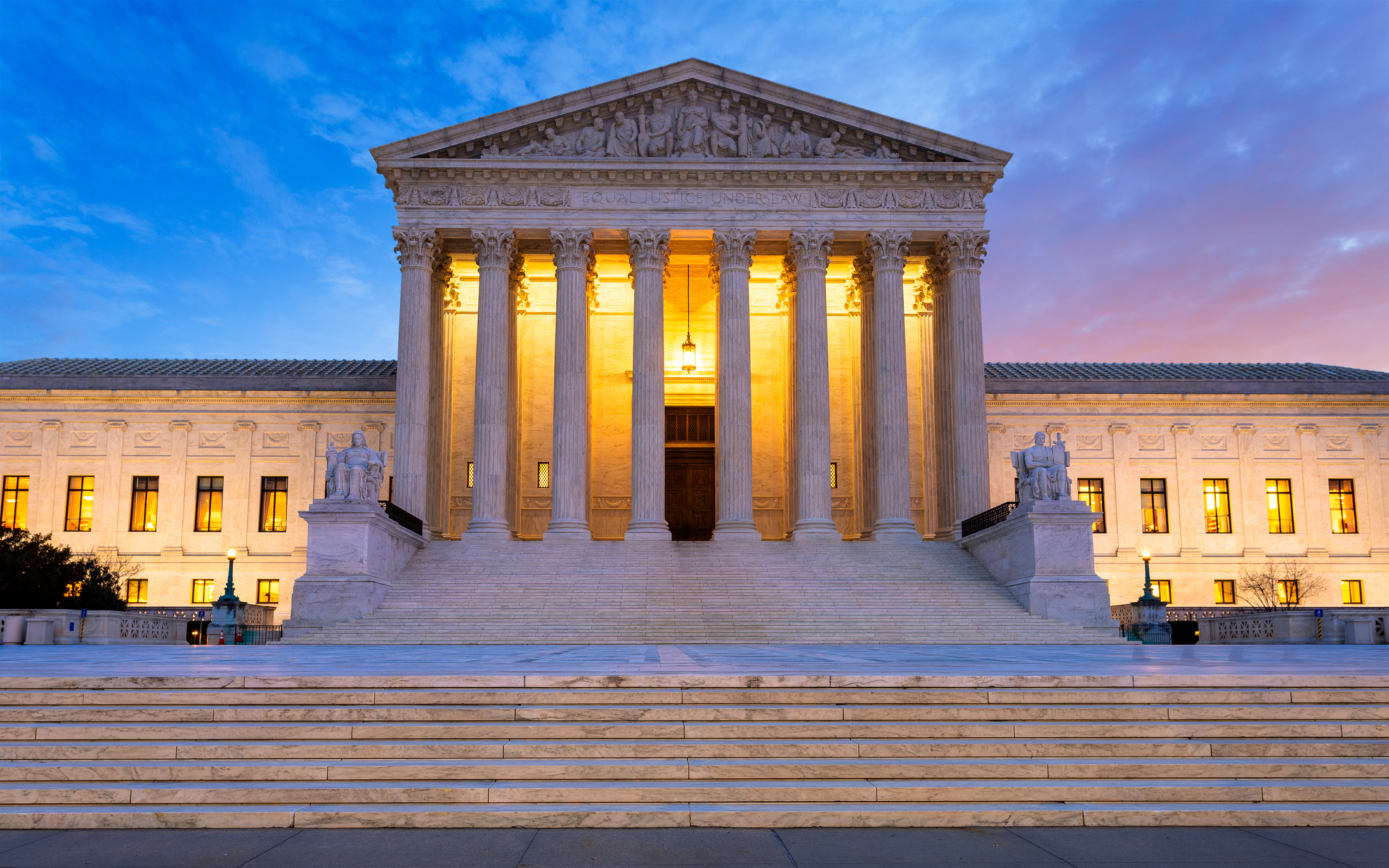
Apple Went to the Highest Court It Could Find. That Tells You Everything.
When a contempt ruling sends you to the Supreme Court, you're not defending a policy anymore — you're defending a worldview.
From the other desks.

800 Horsepower, One Ton of Doubt
Lamborghini built the most powerful SUV it's ever made. It's also slower than what it replaced.

Gold Leaf on a Lacquer Dial, and the Weight of What That Costs
Awake's Frosted Leaf Royal Blue asks a question Vietnamese craft has never quite had to answer at this price.

ESPN Named Him. Then Unnamed Him. Nobody's Explaining the Gap.
A retraction without a reckoning is just a deleted link.