Two Cities Hit Pause on the Machine
New York and Seattle didn't kill the AI buildout. They just asked it to wait in the hall.

Photo · The Verge
There's a move every institution makes when something gets too big too fast: they form a committee. Pass a resolution. Commission a study. Buy twelve months and call it governance.
New York and Seattle just did exactly that — and somehow it still counts as news.
The Same Legislation, Two Coasts
New York's state legislature passed a one-year moratorium on new large data centers, which The Verge notes would be the first statewide ban of its kind if Governor Kathy Hochul signs it. The bill directs the state's environmental agency to produce an impact report covering electricity consumption, water use, land use, and pollution. Companies planning facilities with a peak demand of at least 20 megawatts would also be required to hold public hearings and fund community engagement. Meanwhile, Tom's Hardware reports that two Seattle city council committees have already passed their own one-year moratorium and a companion resolution — with the full council vote considered, in their words, a formality.
Same instinct, same duration, opposite coasts. Either this is a genuine policy convergence or someone forwarded the same memo.
The cynical read: twelve months is precisely long enough to feel like action and short enough to change nothing structural. The data centers that already exist keep running. The ones mid-construction probably finish. The ones in the planning stage get a delay, not a death sentence. The AI infrastructure machine doesn't stop — it idles.
What the Study Actually Has to Catch Up To
Here's the thing that gets glossed over in the coverage: both jurisdictions are essentially admitting they approved this infrastructure without fully understanding what they were approving. That's not an accusation — it's just the honest reading of "we need to study the impact." The electricity consumption, the water draw, the land footprint, the pollution — these aren't hypothetical concerns about future facilities. They're questions about what's already happening.
Deployment moved faster than the regulatory vocabulary to describe it. That's not unique to data centers; it's the default mode of the last decade of tech. But there's something different about physical infrastructure. You can delete an app. You can't easily un-build a facility drawing 20 megawatts from a regional grid.
What both cities are really asking — buried under the procedural language — is whether the communities absorbing the physical cost of AI infrastructure should have any say before that cost becomes permanent. Public hearings. Impact reports. Funded community processes. These aren't radical demands. They're the kind of baseline accountability that most industrial development has operated under for years. The novelty here is that data centers somehow avoided that conversation this long.
A year probably isn't enough. The studies will land, the councils will deliberate, and the companies will have spent that time refining their arguments and their lobbying. But the alternative — no pause, no process, no data — was already the policy, and nobody voted for it.
Regulation that arrives late is still regulation. The question is whether it arrives informed.
Keep reading tech.

Hide My Email Has Been Showing Your Email
Apple's privacy flagship has a hole in it. They've known for over a year.

Sony Killed the Disc. Sony Is Also Killing the Store.
Two announcements, one company, and a quiet admission that "ownership" was always their word to define.
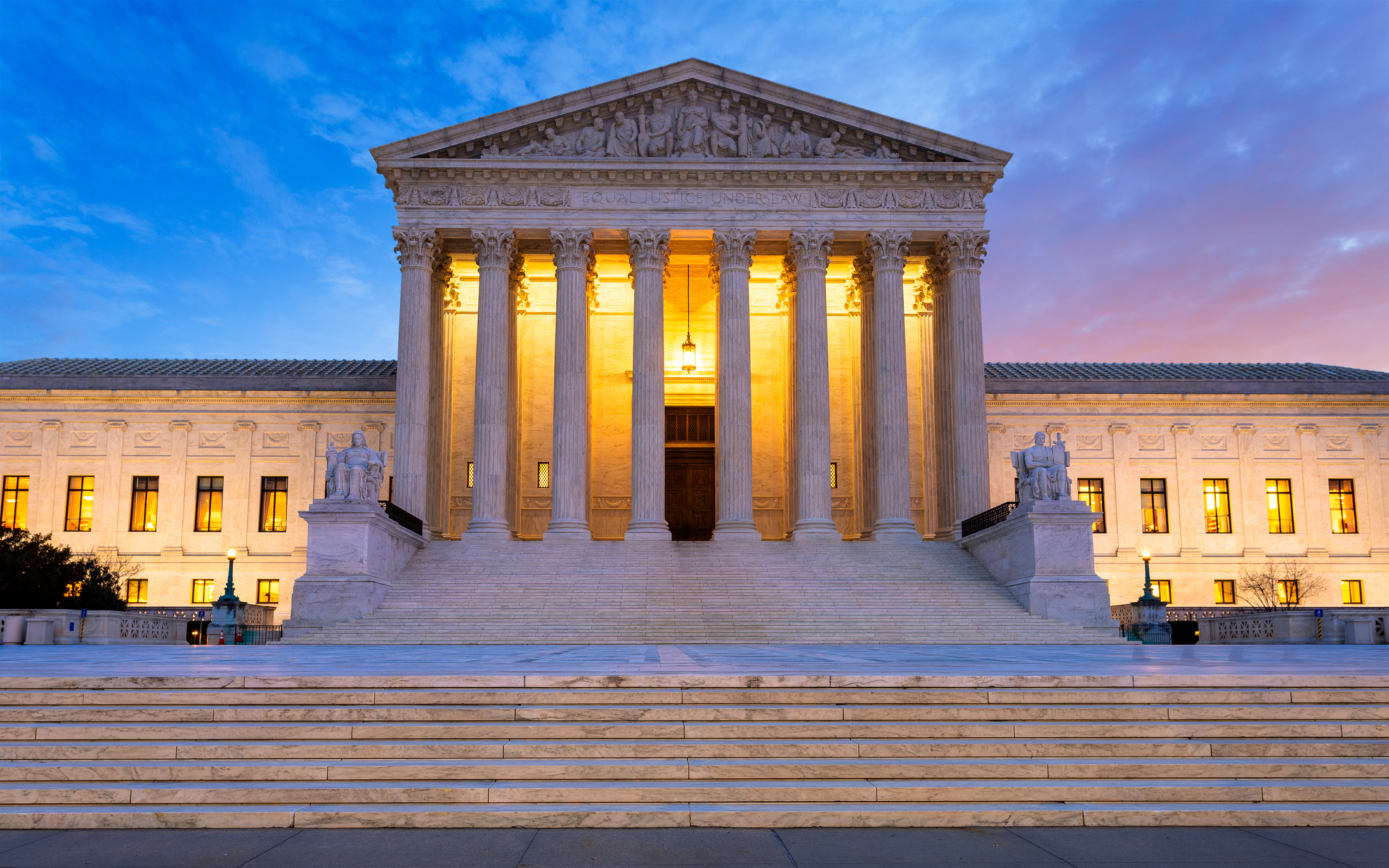
Apple Went to the Highest Court It Could Find. That Tells You Everything.
When a contempt ruling sends you to the Supreme Court, you're not defending a policy anymore — you're defending a worldview.
From the other desks.

800 Horsepower, One Ton of Doubt
Lamborghini built the most powerful SUV it's ever made. It's also slower than what it replaced.

Gold Leaf on a Lacquer Dial, and the Weight of What That Costs
Awake's Frosted Leaf Royal Blue asks a question Vietnamese craft has never quite had to answer at this price.

ESPN Named Him. Then Unnamed Him. Nobody's Explaining the Gap.
A retraction without a reckoning is just a deleted link.