Riot Blinked. Now We Find Out If Cheaters Were Waiting for That.
Kernel-level anti-cheat just became optional — and the security argument for why it couldn't be has quietly evaporated.

Photo · The Verge
For years, the deal was non-negotiable. You want to play, Vanguard loads at boot, end of conversation. Riot's anti-cheat didn't ask. It was there when your machine woke up, watching before you touched a mouse. Players complained. Security researchers flagged the exposure surface. The company held the line — kernel access at startup was the cost of a fair game, and if you didn't like it, there were other games.
Now there's a blog post.
According to Riot's head of anti-cheat, League of Legends and Valorant players with the right hardware can switch Vanguard to an on-demand mode — the kernel-level driver no longer has to launch with the system. They're calling it Vanguard Pre-Check, and it works by leaning on improvements to the Windows kernel that Riot developed alongside Microsoft's Xbox OS Security Team. The technology, apparently, has finally caught up to the promise.
Which means the old argument — that always-on was the only way — was a position, not a fact.
The Permission Problem
A writer at The Verge covered the announcement straight: here's the feature, here's how it works, here's who qualifies. Clean. But what's interesting isn't the feature. It's what the feature's existence confesses.
Riot spent years in the uncomfortable position of asking for more system access than most software you'd willingly install — operating below the level where most users can see or audit what's happening. The justification was always competitive integrity. Cheaters exploit kernel-level vulnerabilities; you have to be there first. That reasoning held, partly because nobody had a better technical answer, and partly because the player base for Valorant in particular was large enough that Riot could absorb the backlash.
What changed isn't the threat model. Cheaters haven't gotten more ethical. What changed is that Microsoft and Riot found a way to harden the kernel itself against the driver and memory exploits that cheats rely on — which means the surveillance doesn't have to be ambient anymore. The lock got stronger, so you don't have to leave someone standing at the door all night.
That's genuinely interesting engineering. It's also a reminder that "we have no other option" is sometimes just "we haven't found the other option yet."
What Optional Actually Means
Here's where I'd push back on the optimism, though. The question a Vanguard opt-out raises isn't whether players feel better about their privacy — they will, and they should. The question is whether the security holds when a meaningful percentage of the player base chooses the lighter footprint.
Anti-cheat is a population-level problem. One person running on-demand Vanguard with hardened kernel protections is probably fine. A hundred thousand people making that choice creates a differently shaped attack surface than Riot has managed before — and cheaters are, if nothing else, patient and methodical about finding the seam. The blog post doesn't address what happens to competitive integrity at scale if opt-in becomes the norm rather than the exception.
Maybe Riot has modeled this. Maybe the Microsoft collaboration produced something robust enough that the on-demand mode is genuinely equivalent protection. I'd like to believe that, because the alternative — that this is a PR concession dressed in technical language — would be a worse outcome for everyone who plays these games seriously.
What I know for certain is that "optional" is a different contract than "mandatory," and contracts have consequences. The company that held the line for years just moved it. Now we wait to see what was actually on the other side.
Keep reading tech.

Rockstar Just Wrote the New Floor
GTA VI costs $79.99, and that number will outlast the game itself.

Superhuman Bought the Detector. Read That Sentence Again.
When the AI writing company acquires the AI detection company, the conflict doesn't hide — it just gets a new org chart.

Studios Won't Touch Sam Altman. That's the Story.
When Netflix, A24, and Warner Bros. all pass on the same film, it stops being a distribution decision and starts being a statement.
From the other desks.
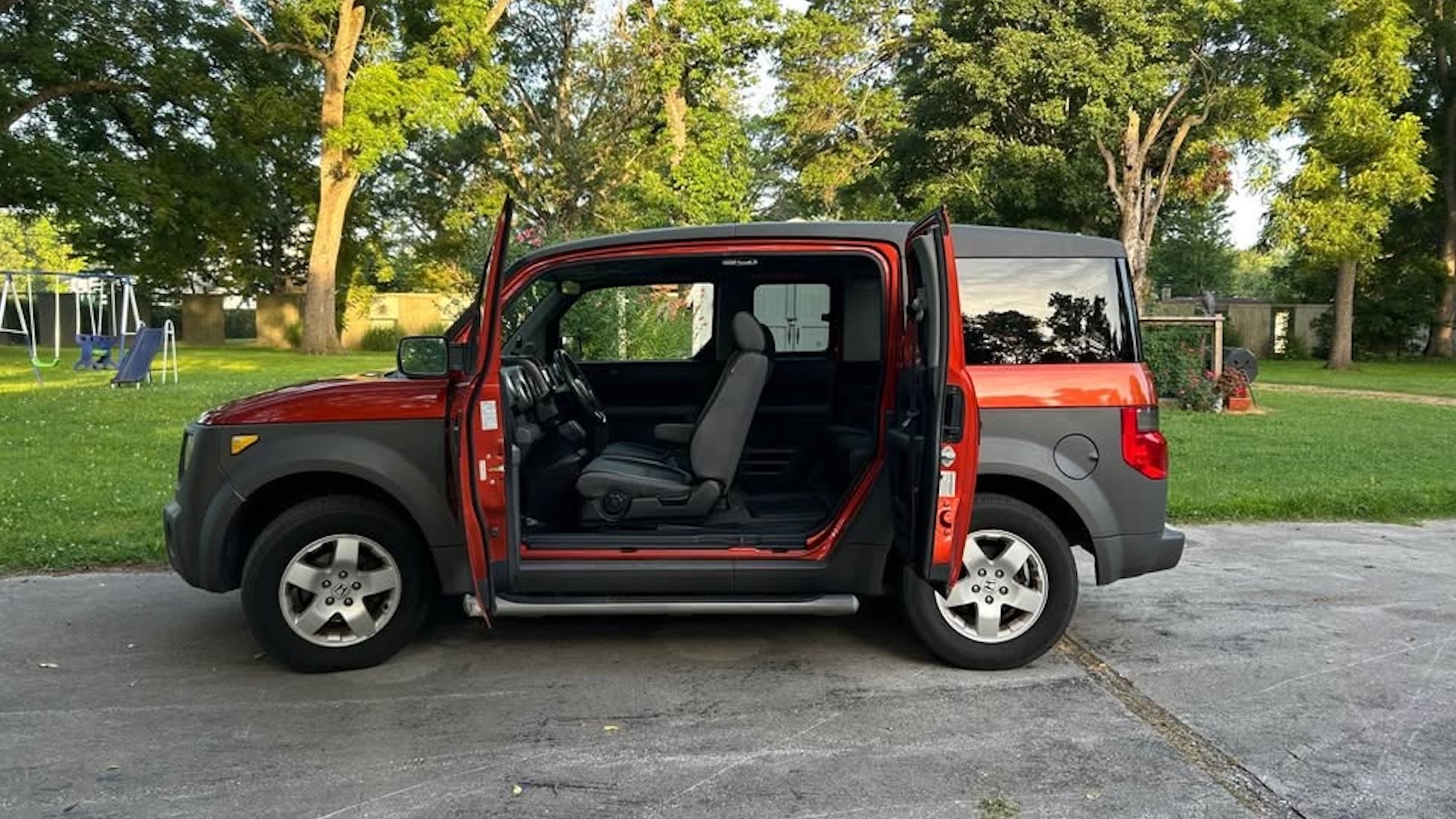
Honda Remembered What the Element Was For
A boxy cult car returns in 2029 with a hybrid powertrain and an eye on the Bronco Sport — which tells you everything about who Honda thinks it lost.

Pharrell Stopped Proving Himself and Made Something Worth Wearing
SS27 is the Louis Vuitton collection that finally feels like it belongs to no one but him.

Fourteen Thousand Athletes, One Hundred Thirty Years, Ten Thousand Dollars
The IOC just paid athletes for the first time in Olympic history. The number is almost beside the point.