Fourteen Thousand Athletes, One Hundred Thirty Years, Ten Thousand Dollars
The IOC just paid athletes for the first time in Olympic history. The number is almost beside the point.

Photo · Latest Headlines - The Athletic
What the mythology cost
For 130 years, the Olympic ideal held that competing was the reward. You showed up. You gave what you had. The Games gave you back a memory and, if you were fortunate, a medal. The International Olympic Committee collected billions in broadcast rights and sponsorship revenue and called the arrangement sacred. The athletes called it life and made it work.
Now the IOC is paying them. Ten thousand dollars each. All of them — roughly 14,000 athletes per Olympic cycle, drawing from a $140 million fund the IOC has established to make this real. Applications open later this year. Payments begin in 2027. The competitors at Milano-Cortina will be the first to receive it.
Ten thousand dollars is not a salary. It is not back pay. It is not an apology. But it is an admission — and that admission is the story.
What breaks when tradition breaks
The Guardian framed this correctly: the IOC scrapped 130 years of tradition. That framing matters because 130 years is not a policy, it's a mythology. You don't accidentally maintain a mythology for a century and a quarter. You defend it, you justify it, you build an entire moral architecture around it. Amateurism wasn't just a rule — it was the story the Games told about itself, about purity and sport for sport's sake, about something existing outside the economy.
The economy always knew better.
An NBA star arriving in Paris competes alongside a skeleton racer from a country with no national federation funding, no sponsorship, no infrastructure — and both of them, until now, were officially unpaid by the institution that owns the rings, sells the broadcast, and fills the stadium. The IOC describing that as tradition rather than labor arrangement required a very particular kind of confidence. The kind that runs out eventually.
So they broke it. One decision. One fund. One number that every sports reporter can fit in a headline.
The interesting part isn't the $10,000. The interesting part is what happens to the story the Games have been telling now that the story has a hole in it. If athletes were always labor — and they were, from the moment the IOC sold the first broadcast right — then 130 years of tradition was never really about purity. It was about who got to keep the revenue. Naming that out loud changes things, even slightly, even slowly.
The $10,000 is flat. An NBA player at the Olympics and a bobsledder sleeping on a friend's couch in the off-season receive the same check. Which means this is less about compensation and more about acknowledgment — the IOC putting a number on the relationship and calling it something other than nothing. That's not nothing. But it's also not a reckoning.
The athletes who need this most will find $10,000 genuinely meaningful. The athletes who don't need it will probably notice that the IOC's fund is $140 million per cycle — a figure that sounds large until you consider what the Games generate and then divide it by 14,000 people who spent years of their lives getting there.
Still. The mythology is cracked now, and cracks don't close on their own.
The Games have survived scandal, boycotts, doping, corruption, and the slow migration of global attention toward shorter formats and faster content. They may survive this too — the admission that the athletes were always workers and the workers are owed something. But surviving it isn't the same as emerging unchanged.
Something that lasts 130 years and then breaks broke for a reason.
Keep reading sports.
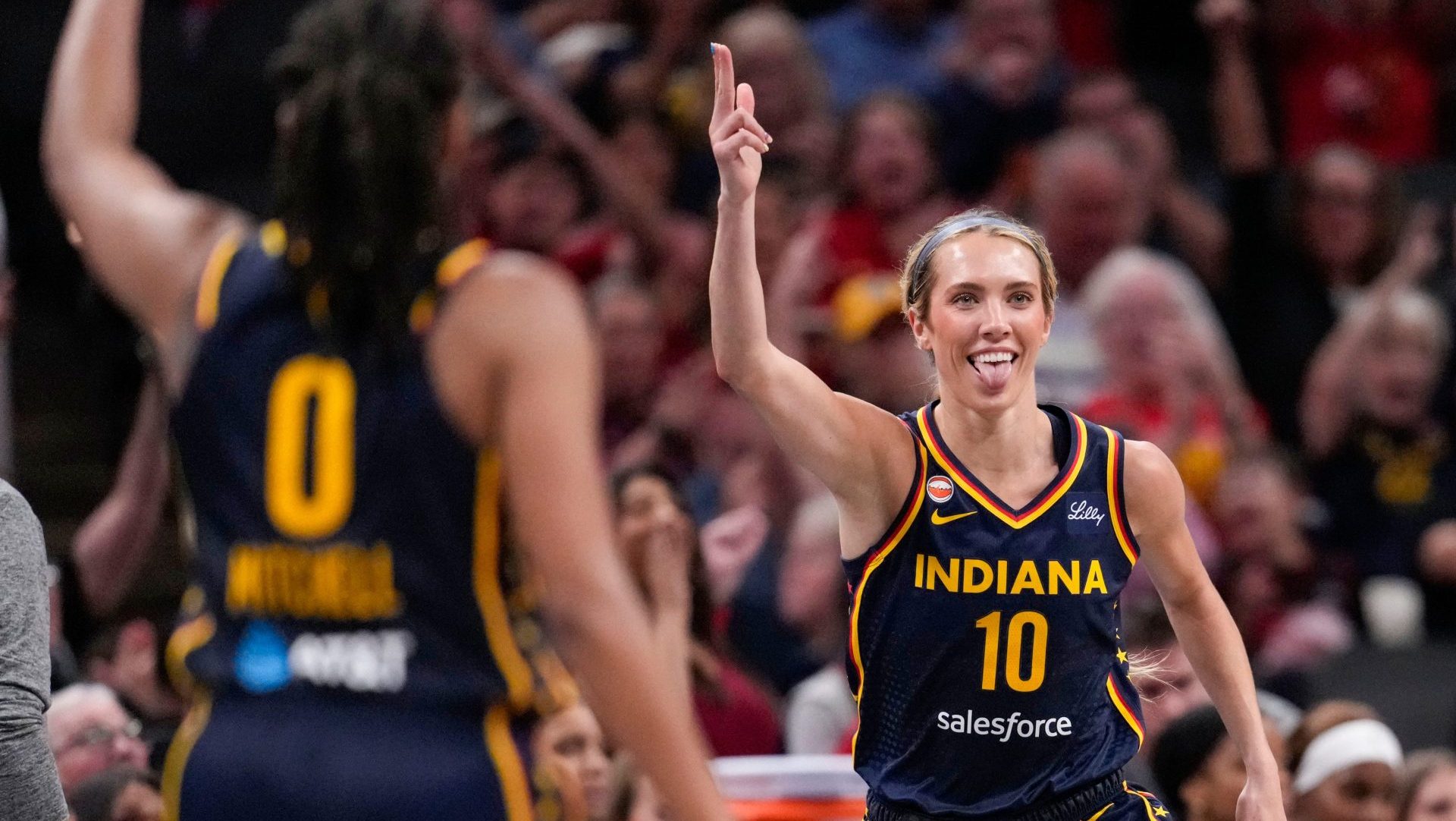
Beauty Went Functional. Women's Sports Made It Mean Something.
A new category is forming at the intersection of mascara and match day — and the question it raises is bigger than the products.
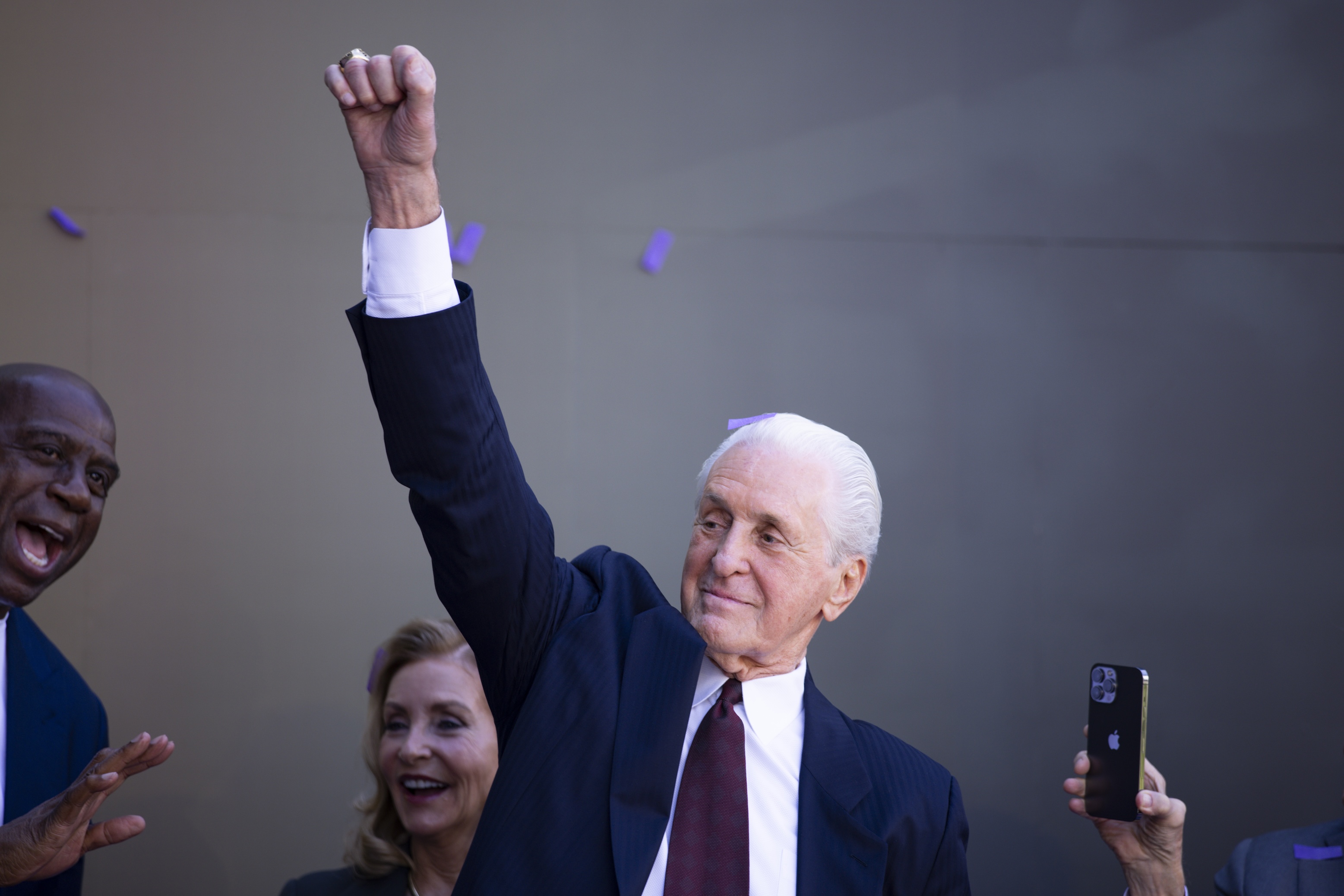
Every NBA Front Office Is Betting on Something. Most Won't Admit What.
From Riley's desperation swing to Washington's $212 million personality experiment, this offseason is a stress test for what rebuilding actually means.
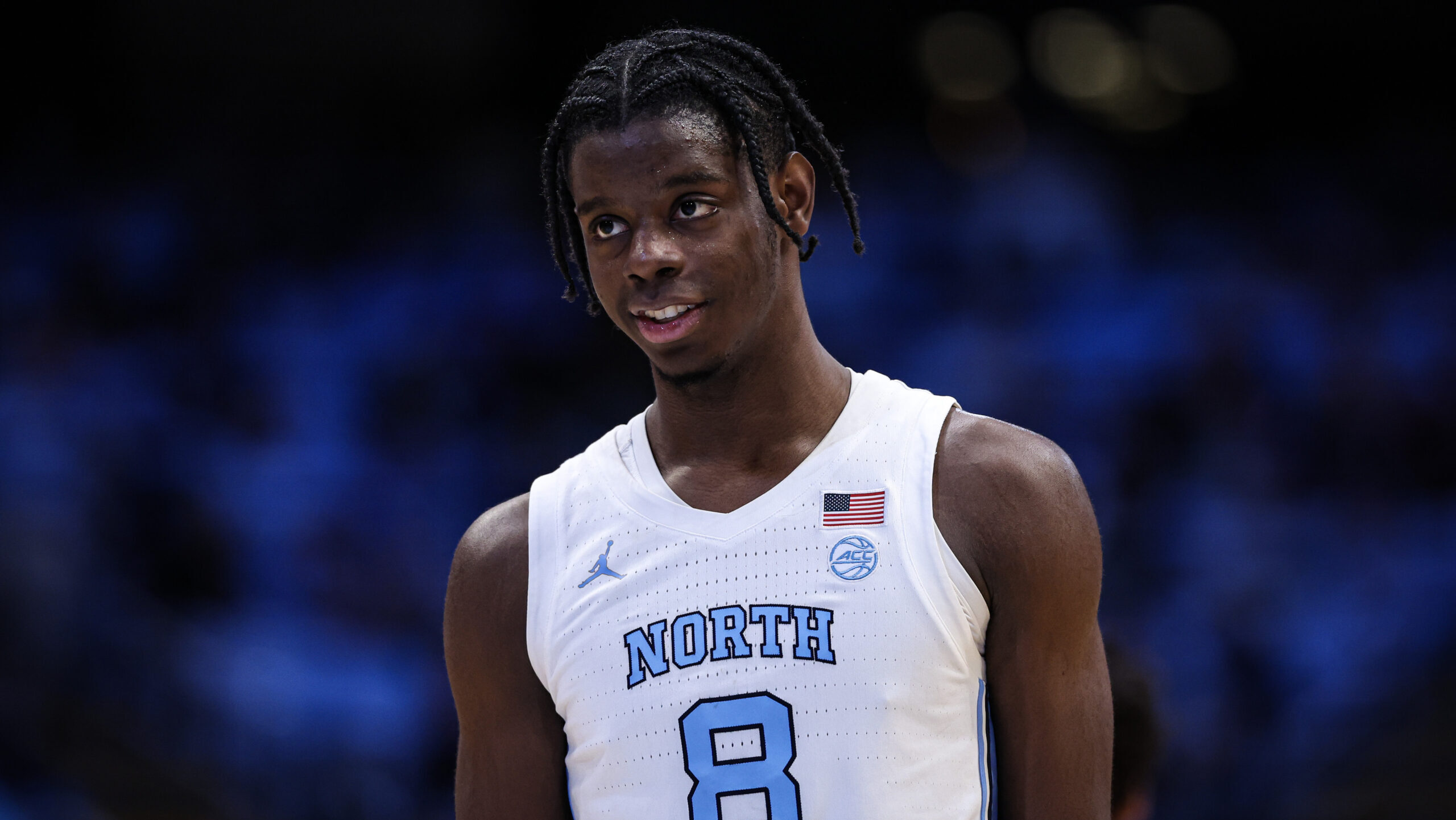
Draft Night Had a Trade. The Trade Had Giannis. Nobody Talked About the Fathers.
The 2026 NBA Draft opened with a blockbuster and closed with grades — but the real story was already being written one generation back.
From the other desks.
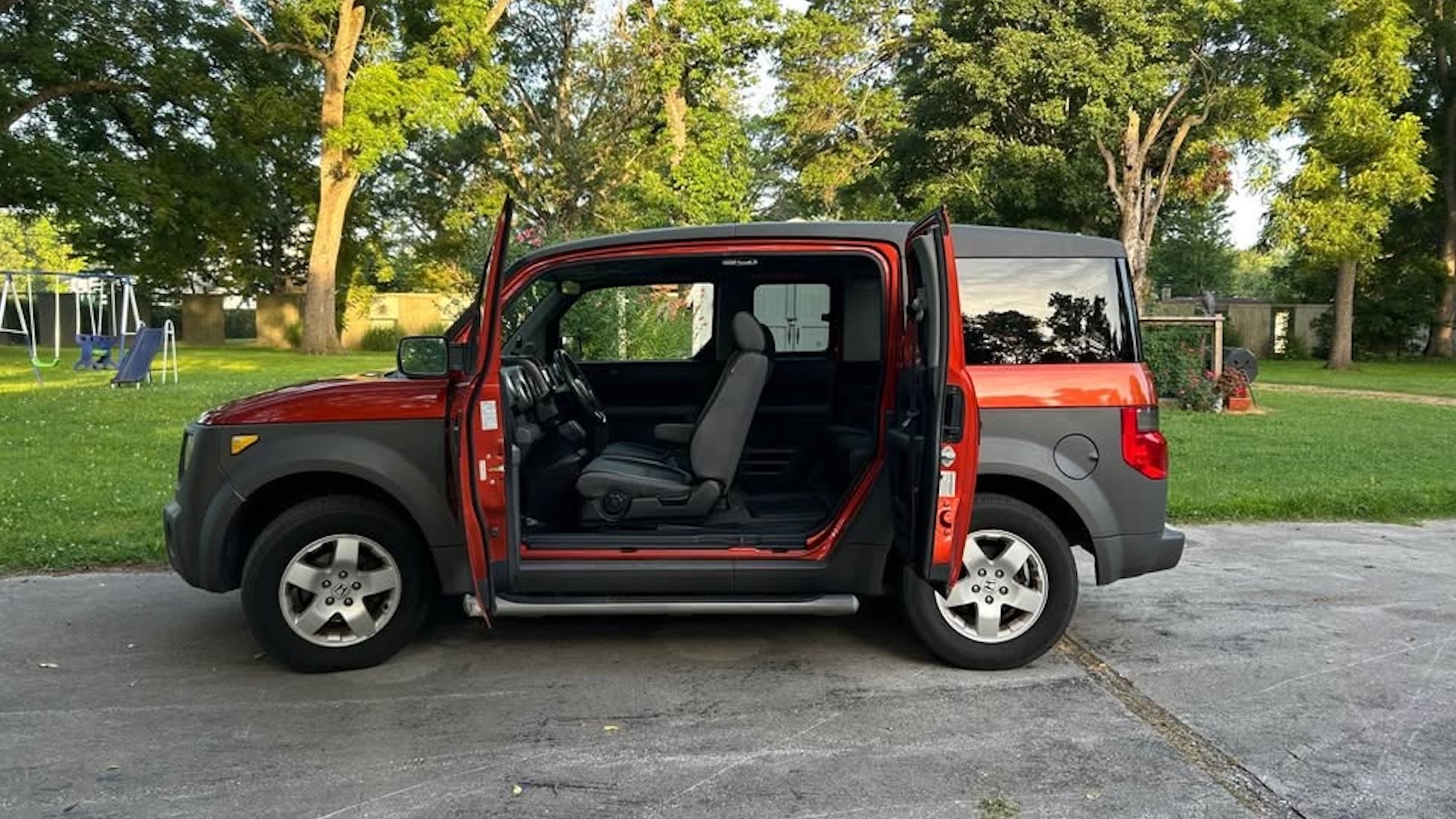
Honda Remembered What the Element Was For
A boxy cult car returns in 2029 with a hybrid powertrain and an eye on the Bronco Sport — which tells you everything about who Honda thinks it lost.
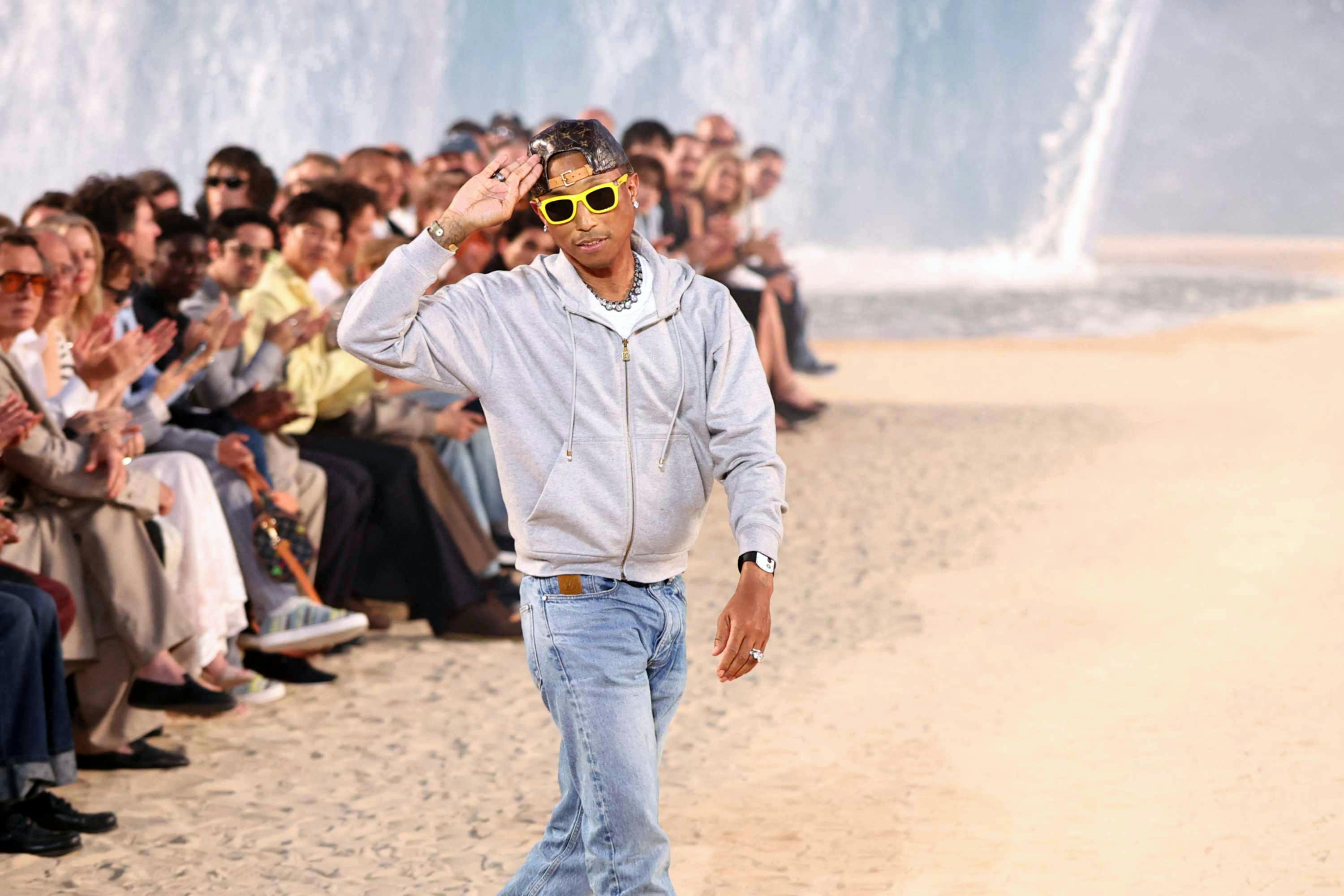
Pharrell Stopped Proving Himself and Made Something Worth Wearing
SS27 is the Louis Vuitton collection that finally feels like it belongs to no one but him.

Riot Blinked. Now We Find Out If Cheaters Were Waiting for That.
Kernel-level anti-cheat just became optional — and the security argument for why it couldn't be has quietly evaporated.