Studios Won't Touch Sam Altman. That's the Story.
When Netflix, A24, and Warner Bros. all pass on the same film, it stops being a distribution decision and starts being a statement.

Photo · The Verge
Here's what happened: a biographical drama about Sam Altman, directed by Luca Guadagnino, was nearly finished in postproduction when Amazon MGM walked away from distributing it. Then Netflix passed. Then A24. Then Focus Features. Then Warner Bros.' Clockwork. According to The Verge's reporting, Neon and Mubi are still said to be circling — and bless them for that — but the parade of exits from the bigger players is its own kind of answer.
Nobody had to say anything. The silence did the work.
The Dominos Don't Fall Like This by Accident
One studio passing on a film means it didn't fit their slate. Two studios passing means the market's crowded. Four major players — including one that was already attached deep into postproduction — means something else is happening. This isn't about box office math. A24 has never been shy about difficult material. Netflix distributed Don't Look Up, which was hardly a love letter to institutional power. Focus Features has made its name on exactly the kind of prestige film this appears to be.
So what changed? A writer at The Verge lands on the phrase that's hard to argue with: Hollywood no longer has the courage to tell critical stories about Big Tech. I'd go slightly further. It's not just courage. It's exposure. These studios exist inside an ecosystem where OpenAI, Amazon, and their adjacent companies are either partners, investors, or the infrastructure the whole thing now runs on. Criticizing Sam Altman from inside that ecosystem is a little like writing an unflattering profile of your landlord and then asking him to proofread it.
Amazon MGM walking away after being attached this far into production is the detail worth sitting with. That's not a greenlight decision. That's a reversal. Something shifted, and the film didn't change — the context around it did.
What Cinema Actually Owes the Moment
There's a version of this conversation where we talk about artistic bravery and the long tradition of films that made powerful people uncomfortable, and that's all true and worth saying. But the more interesting question is structural. When the companies financing and distributing film are increasingly entangled with the companies being scrutinized, what does that do to the kind of stories that get made?
We already know what it does to journalism. We've watched that movie. The answer involves a lot of consolidation, a lot of self-censorship that never announces itself, and a gradual narrowing of what's considered publishable — not through any single dramatic act of suppression, but through dozens of quiet decisions that each look reasonable in isolation.
Film moves slower, so we're seeing it play out in slow motion. But the shape is familiar.
Guadagnino's film may still find distribution. Neon and Mubi aren't nothing — they're the kind of distributors who take things seriously, and a film can reach people through channels that don't require a Netflix thumbnail. But the story of who said no, and when, and in what order — that story is already out. It doesn't need a wide release.
The studios made their position clear without making a single public statement. In the age of AI, that's almost poetic — the most consequential communication was the one nobody had to send.
Keep reading tech.

Rockstar Just Wrote the New Floor
GTA VI costs $79.99, and that number will outlast the game itself.

Superhuman Bought the Detector. Read That Sentence Again.
When the AI writing company acquires the AI detection company, the conflict doesn't hide — it just gets a new org chart.

Anthropic Moved Into Your Office and Nobody Checked the Lease
Claude is now a Slack teammate — and the real question isn't whether it helps you work faster.
From the other desks.

Slate Priced It at $24,950 and Dared America to Say It Wants More
Every other EV maker promised affordability. Slate shipped a number.
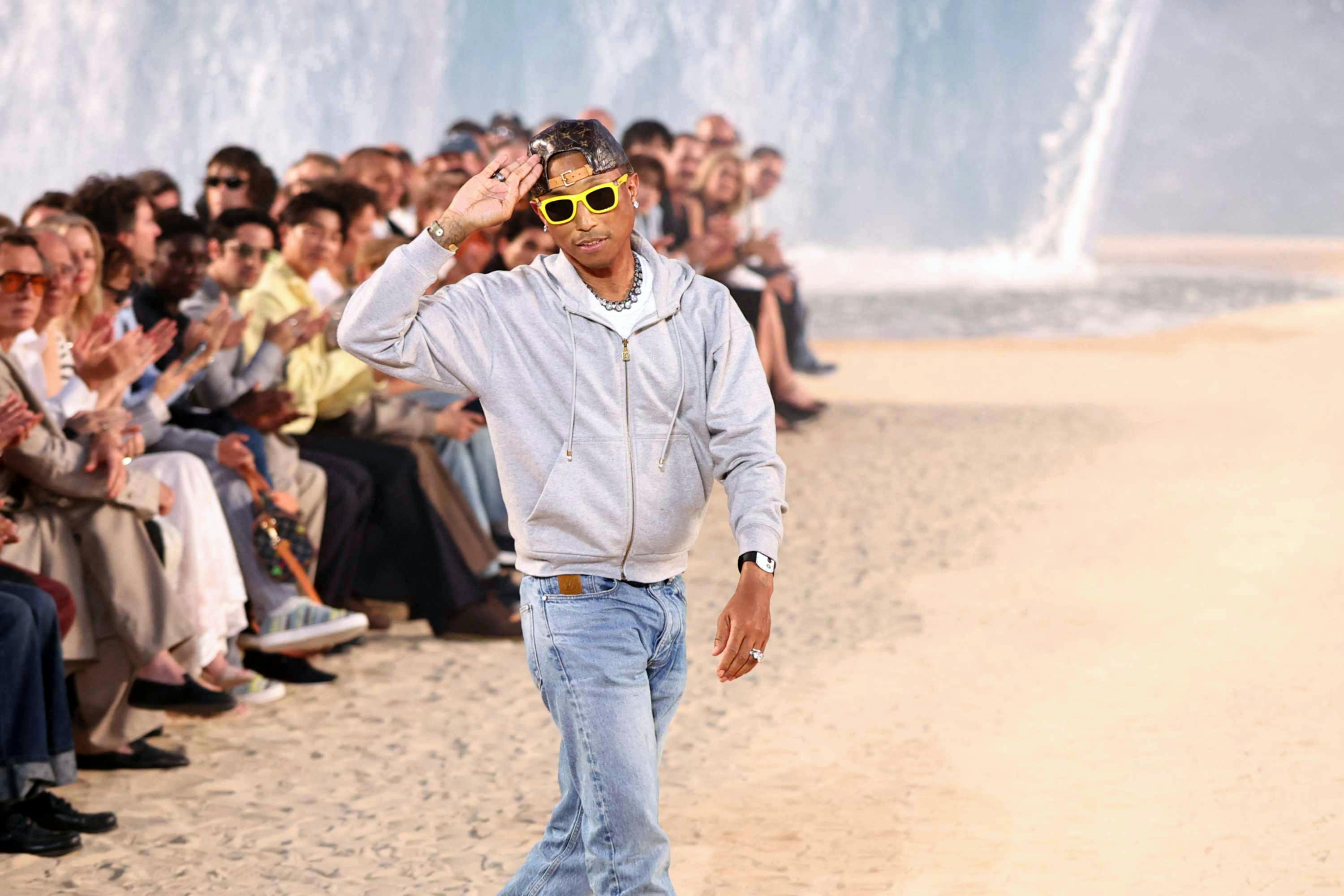
Pharrell Stopped Proving Himself and Made Something Worth Wearing
SS27 is the Louis Vuitton collection that finally feels like it belongs to no one but him.
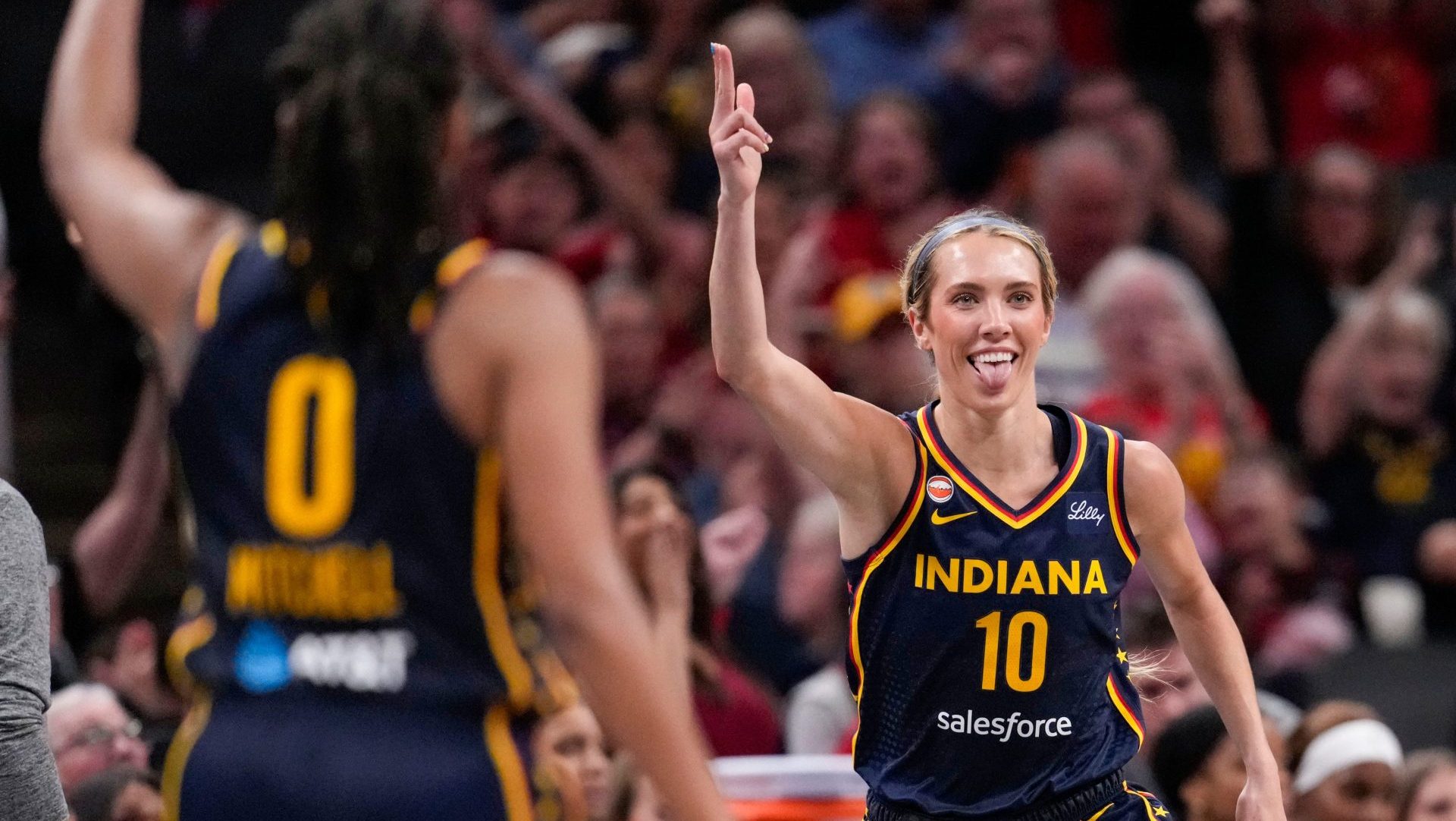
Beauty Went Functional. Women's Sports Made It Mean Something.
A new category is forming at the intersection of mascara and match day — and the question it raises is bigger than the products.