Satya Nadella Buried the App Store Era at a Developer Conference and Barely Raised His Voice
Microsoft isn't building a better operating system. It's arguing the operating system no longer needs to exist.
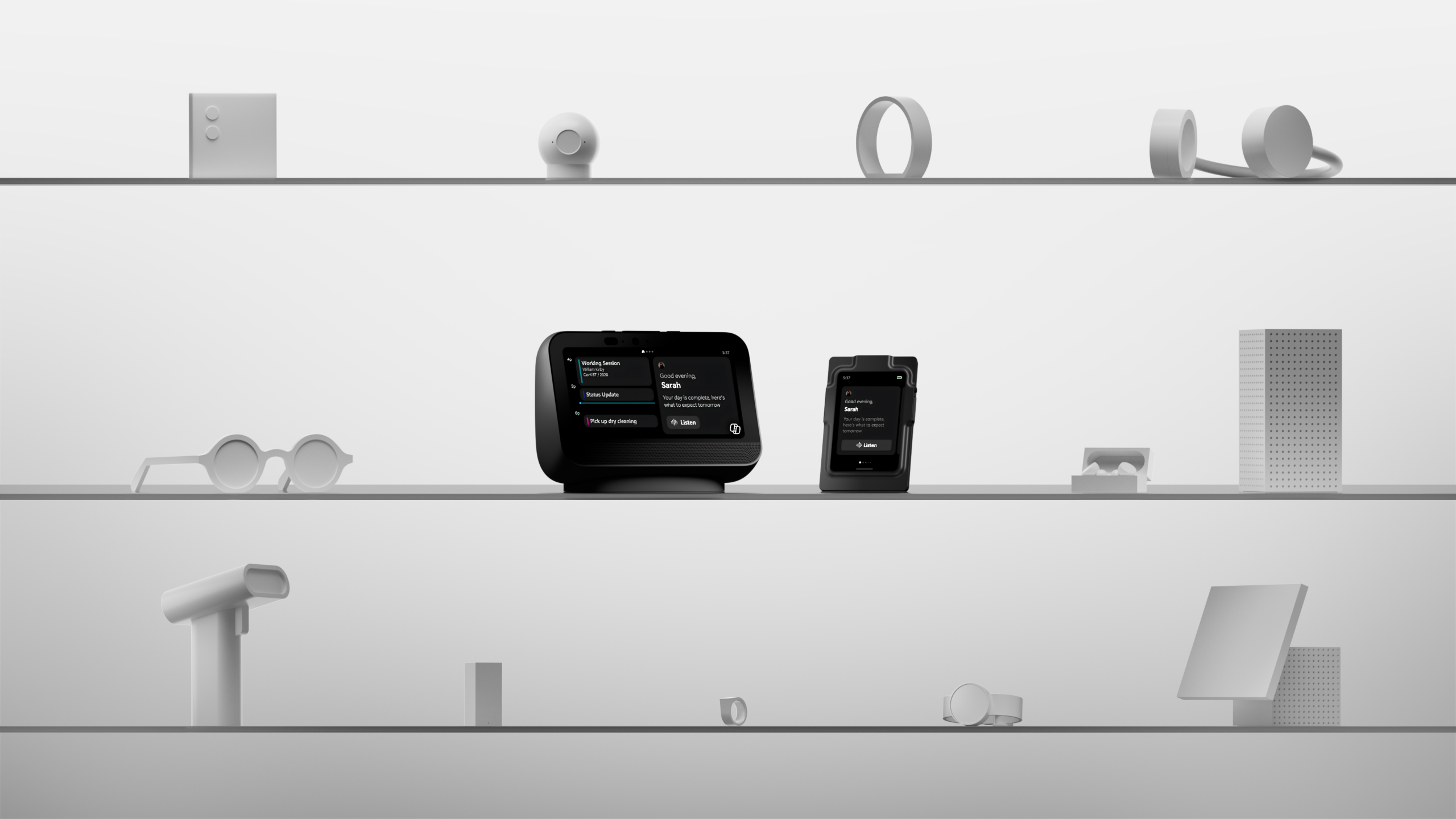
Photo · Ars Technica - All content
The Room That Doesn't Know What Year It Is
Picture a developer conference. Badge lanyards, bad coffee, a stage lit like a spacecraft interior. Someone at the podium is explaining the future, and the future sounds a lot like something you've been sold before — except this time, the person selling it runs Microsoft, and he's not pretending the old thing still works.
At Microsoft Build, Satya Nadella said the quiet part at a normal volume: the era of operating systems and apps is over. What comes next, in his framing, is agents. Not apps you open. Not interfaces you navigate. Agents that operate on your behalf, across devices, across the cloud, in the background of a life you're busy living. The announcement came attached to something called Project Solara — a chip-to-cloud platform, as 9to5Mac described it, purpose-built for AI agents rather than traditional applications.
I've watched enough of these moments to know the difference between a product launch and a thesis statement. This was a thesis statement.
What Microsoft Actually Built
Project Solara is not, importantly, a Windows update. According to Ars Technica, it's an Android-based operating system — designed not around apps, but around agents. That detail is easy to skim past and shouldn't be. Microsoft, the company whose identity for four decades has been synonymous with its own operating system, built something new on Android. The company that lost mobile is now building mobile-adjacent hardware on the platform that won mobile. There's a certain unblinking honesty in that move, even if nobody at the conference framed it that way.
Android Authority flagged the hardware Microsoft showed alongside Solara as genuinely unexpected — the kind of thing that doesn't fit neatly into a product category you already have a word for. TechRadar described the ambition plainly: break AI agents out of the PC and into the real world. Every part of your life, their framing suggested. Not just the parts where you're sitting in front of a screen.
And then there's the Surface RTX Spark Dev Box, which Tom's Hardware covered as an Nvidia-powered mini-PC aimed at developers building for what Microsoft is now calling an agentic Windows. A small machine designed to help people build for a paradigm that doesn't fully exist yet — which is, when you think about it, exactly how every paradigm shift gets seeded. You give developers the sandbox before you give everyone else the world.
The Company That Missed Mobile Doesn't Miss Twice
Here's the pattern worth sitting with. Microsoft missed the smartphone. Not narrowly — comprehensively. The app economy that followed built entirely around two platforms that Microsoft didn't control, and for a long stretch, that looked like an existential problem. Then cloud happened, and Azure happened, and suddenly the company that lost the device layer owned the infrastructure underneath everything. The miss became a lesson in what layer actually matters.
Project Solara reads like the application of that lesson, taken one step further. If the device layer doesn't matter as much as the infrastructure layer, what happens when the interface layer stops mattering too? When the question isn't which app do you open but which agent handles this — the company that owns the agent platform wins something the app store never offered: invisibility. Presence without friction. A computing relationship that doesn't require you to manage it.
That's the bet. Agents as the new interface. And Microsoft, having watched Apple and Google own the app era from the outside, is moving early and loudly on what it believes comes next.
The Hype Cycle Has a Familiar Shape
Android Authority asked the right question in their coverage: will it live up to the hype? That's the journalist's job, and it's the right instinct. Every paradigm shift announcement arrives wrapped in the same confident vocabulary. Agents. Agentic. Chip-to-cloud. The words are new; the promotional architecture around them is not.
And yet — I keep coming back to the Android decision. When a company as historically proud of its own software stack as Microsoft chooses to build on someone else's OS, it's not performing humility. It's making a calculation. The device isn't the product. The agent layer running on the device is the product. The OS underneath is infrastructure, and infrastructure should be stable and proven. Android is stable and proven. So they used it.
That's not a company chasing a trend. That's a company that has thought carefully about which hill it wants to own.
The Surface RTX Spark Dev Box, the Solara platform, the Android hardware nobody expected — taken together, they sketch a company placing its chips before the table is set. Developers get the tools now. The rest of us get the world these tools build, later, on a timeline Microsoft doesn't fully control.
The app era lasted long enough that most of us forgot there was anything before it. We adjusted. We organized our lives around home screens and notification badges and the particular friction of switching between things. It became invisible, which is what good infrastructure always does.
If agents work the way Microsoft is describing — and that's a significant if — we'll adjust again. The new thing will become invisible. And somewhere in a conference room with bad coffee, someone will announce what comes after that.
Keep reading tech.

Hide My Email Has Been Showing Your Email
Apple's privacy flagship has a hole in it. They've known for over a year.

Sony Killed the Disc. Sony Is Also Killing the Store.
Two announcements, one company, and a quiet admission that "ownership" was always their word to define.
Apple Went to the Highest Court It Could Find. That Tells You Everything.
When a contempt ruling sends you to the Supreme Court, you're not defending a policy anymore — you're defending a worldview.
From the other desks.

800 Horsepower, One Ton of Doubt
Lamborghini built the most powerful SUV it's ever made. It's also slower than what it replaced.

Gold Leaf on a Lacquer Dial, and the Weight of What That Costs
Awake's Frosted Leaf Royal Blue asks a question Vietnamese craft has never quite had to answer at this price.

ESPN Named Him. Then Unnamed Him. Nobody's Explaining the Gap.
A retraction without a reckoning is just a deleted link.