SoftBank Is Building Robots to Build the Rooms That Train the Robots
When your AI strategy requires a robotics company to construct the data centers that power the AI, you've either solved the future or described a very expensive circle.
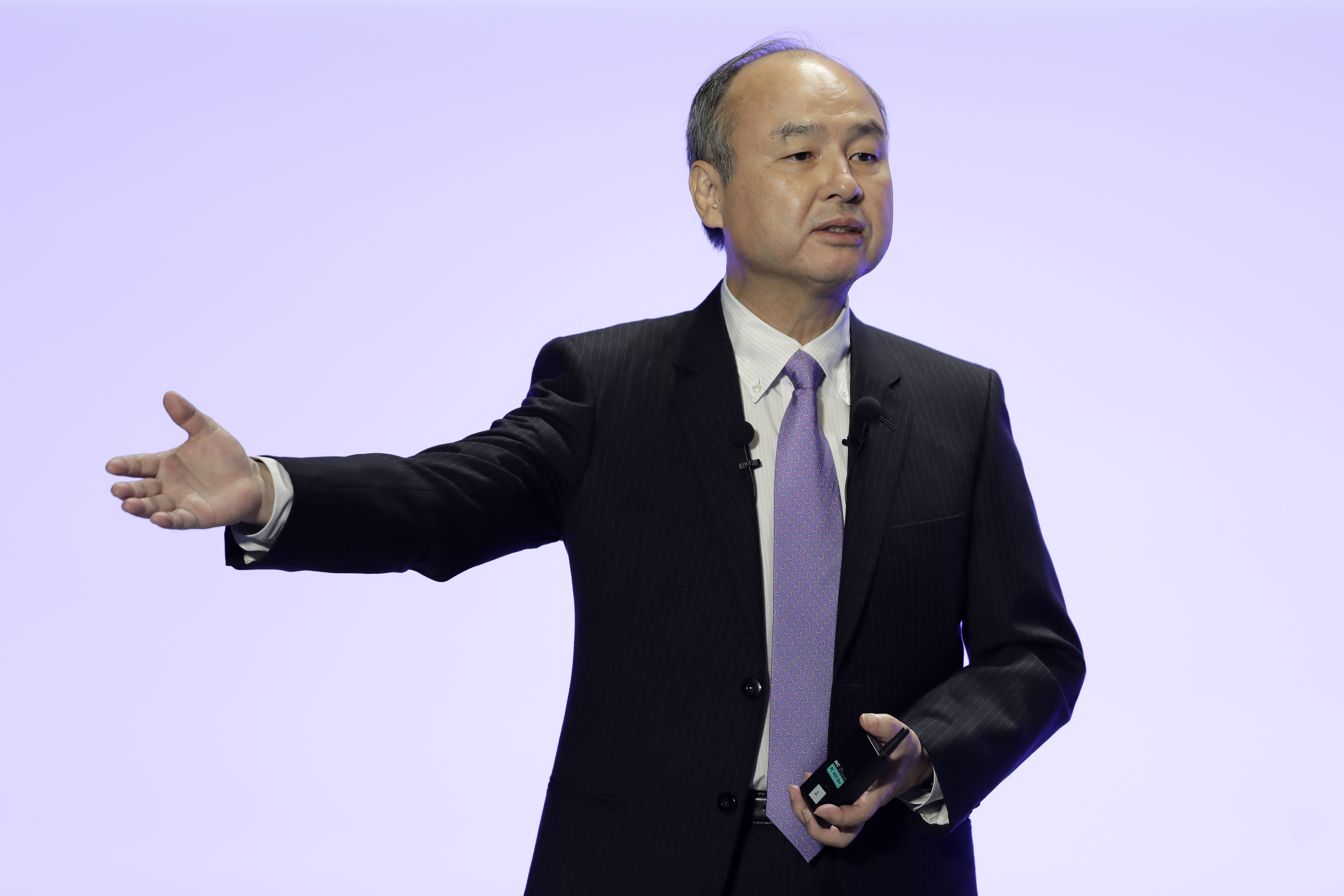
Photo · TechCrunch
There's a particular kind of announcement that tells you more about an industry's anxiety than its ambition. TechCrunch is reporting that SoftBank is creating a robotics company specifically to build data centers — and that the venture is already eyeing a $100 billion IPO. Sit with that for a second.
Not a robotics company that happens to take on construction contracts. Not a data center business that uses some automation. A robotics company whose purpose is to build the infrastructure that AI needs — infrastructure that also, presumably, trains and runs more robots. The ouroboros has filed for a term sheet.
The Loop Isn't a Bug
What makes this worth pausing on isn't the audacity of the number — $100 billion is practically table stakes for anything SoftBank touches at this point. What's interesting is the structural confession baked into the premise. The piece frames it cleanly: you need infrastructure to build AI and robots, but you also need AI and robots to build infrastructure. That's not a clever observation from the outside. That's apparently the business plan.
This is what happens when the AI buildout runs into its own physical limits. Data centers require land, power, cooling, and an enormous amount of human labor to construct. Human labor is expensive, slow, and increasingly strained by the sheer scale of what's being demanded. So the logical move — if you're operating at SoftBank's altitude — is to vertical-integrate your way out of the bottleneck. Build the robots. Use the robots to build the data centers. Use the data centers to train better robots. Call it a company. Price it at nine figures before it's operational.
The circularity isn't an accident. It's the point — and it's also the risk that nobody in the coverage seems particularly eager to linger on.
What the IPO Number Is Actually Saying
A $100 billion valuation target for a company that, by all indications, is still being assembled is a specific kind of signal. It's not a projection based on revenue. It's a positioning statement — a way of saying that the category itself is worth that, so any serious player in it deserves the number by proximity.
This is a move we've seen before in tech, where the story gets priced ahead of the product. What's different here is the physical weight of the claim. Robots and data centers are not apps. They require steel, power grids, cooling systems, and real estate. The gap between a compelling deck and a functioning construction robotics operation at scale is measured in years and engineering, not sprints and pivots.
A writer at TechCrunch is treating this as a business story, which it is. But it's also a map of how concentrated AI infrastructure investment has become — and how the companies sitting at the center of it are starting to build closed loops rather than open ecosystems. SoftBank doesn't just want to fund the AI economy. It wants to fund the thing that builds the thing that runs the thing.
That's either visionary or it's a very sophisticated way to ensure that every dollar in the loop eventually passes through the same hands.
The robots haven't broken ground yet. The IPO chatter already has.
Keep reading tech.

Hide My Email Has Been Showing Your Email
Apple's privacy flagship has a hole in it. They've known for over a year.

Sony Killed the Disc. Sony Is Also Killing the Store.
Two announcements, one company, and a quiet admission that "ownership" was always their word to define.

Apple Went to the Highest Court It Could Find. That Tells You Everything.
When a contempt ruling sends you to the Supreme Court, you're not defending a policy anymore — you're defending a worldview.
From the other desks.

800 Horsepower, One Ton of Doubt
Lamborghini built the most powerful SUV it's ever made. It's also slower than what it replaced.

Gold Leaf on a Lacquer Dial, and the Weight of What That Costs
Awake's Frosted Leaf Royal Blue asks a question Vietnamese craft has never quite had to answer at this price.

ESPN Named Him. Then Unnamed Him. Nobody's Explaining the Gap.
A retraction without a reckoning is just a deleted link.