The Off Switch Was Always There
YouTube just gave you the power to hide Shorts — which means they always knew the feature was something you might want to hide.

Photo · The Verge
Here's the tell: it started as parental controls.
YouTube rolled out a Shorts time-limit feature back in October — a timer that would cut you off after a set number of minutes and nudge you to take a break. Fine. Responsible, even. But the lowest setting you could choose was 15 minutes. Not zero. Fifteen. Because zero would have been an admission.
Then, earlier this year, the platform folded the feature into parental controls. Parents could use it to manage how long their kids spent scrolling. And YouTube quietly noted that a zero-minute option was "coming soon" — for parents, specifically. The framing was careful: this is a child safety tool, not a product critique. Nothing to see here.
Now, according to a YouTube spokesperson cited by The Verge, the zero-minute setting is live for everyone — parents and regular users alike. You can open your time management settings on Android or iOS, dial Shorts down to nothing, and they disappear. The Engadget team confirmed they're seeing it roll out in the wild. 9to5Google called it making Shorts "a lot easier to ignore."
That phrase does a lot of work.
A Feature You Have to Be Protected From
The progression here is worth sitting with. A product launches. It's aggressive by design — short-form video is engineered for compulsion, and Shorts is YouTube's answer to TikTok's stranglehold on that particular flavor of attention. Then the platform builds a timer, ostensibly for wellness. Then the timer gets a floor — because zero would undermine the whole point of building the thing. Then zero arrives anyway, dressed as a parenting feature, because the optics of letting children opt out are easier than letting adults opt out. Then finally, inevitably, everyone gets the switch.
This is not a story about user empowerment. This is a story about a platform managing the rollout of an admission.
The admission is simple: Shorts, in its default state, is something a meaningful number of people would turn off if they could. YouTube knows this. The 15-minute floor wasn't a technical limitation. It was a business decision about how much agency to extend before the numbers got uncomfortable. Giving parents the zero-minute option first was a way to test the waters — to see if the sky fell — before extending it broadly.
The sky didn't fall. Shorts is too embedded now. The feature has won. YouTube can afford to be generous.
The Generosity of the Already-Victorious
There's a version of this story where YouTube deserves credit. They built the tool. They expanded it. They gave it to everyone. In the current landscape of attention-economy platforms and their allergy to any friction that might reduce engagement, that's not nothing.
But I keep coming back to the sequence. The feature that lets you opt out arrived after the feature had already reshaped how hundreds of millions of people use the app. The off switch shows up once turning it off no longer threatens the product's survival. That's not consumer advocacy — that's a victory lap dressed as a concession.
You can turn off Shorts now. You probably won't. And YouTube knew that before they gave you the option.
Keep reading tech.

Hide My Email Has Been Showing Your Email
Apple's privacy flagship has a hole in it. They've known for over a year.

Sony Killed the Disc. Sony Is Also Killing the Store.
Two announcements, one company, and a quiet admission that "ownership" was always their word to define.
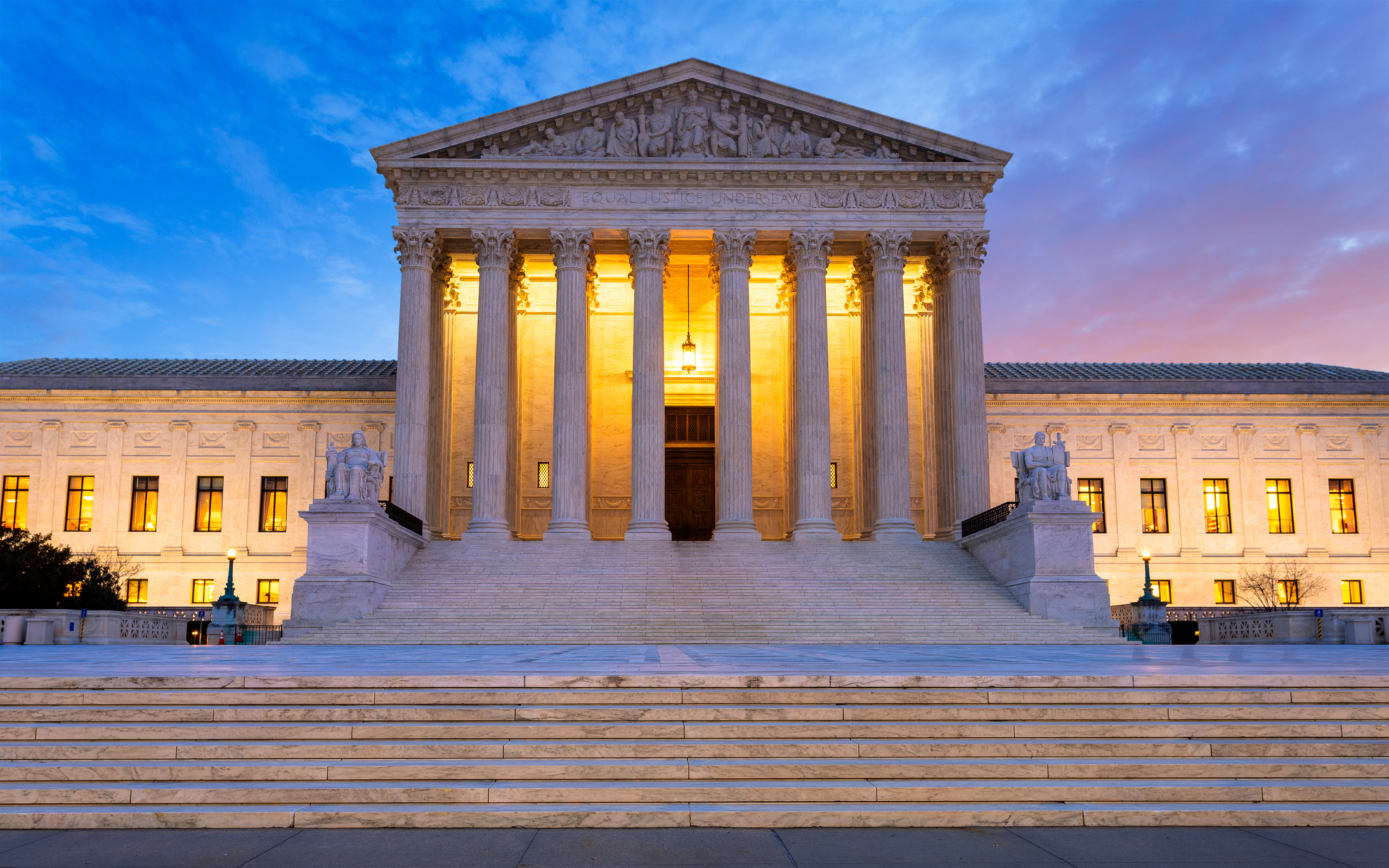
Apple Went to the Highest Court It Could Find. That Tells You Everything.
When a contempt ruling sends you to the Supreme Court, you're not defending a policy anymore — you're defending a worldview.
From the other desks.

800 Horsepower, One Ton of Doubt
Lamborghini built the most powerful SUV it's ever made. It's also slower than what it replaced.

Gold Leaf on a Lacquer Dial, and the Weight of What That Costs
Awake's Frosted Leaf Royal Blue asks a question Vietnamese craft has never quite had to answer at this price.

ESPN Named Him. Then Unnamed Him. Nobody's Explaining the Gap.
A retraction without a reckoning is just a deleted link.